


Overtime management is a crucial aspect of workforce administration. A few incorrect attendance records can create issues with payroll, compliance, employee satisfaction, and unnecessary labor costs. As businesses manage hybrid teams, shift workers, and field employees in 2025, keeping accurate attendance records is more important than ever.
For HR teams and business leaders, overtime is not just about payroll calculations. It is a responsibility that affects employee pay, workforce productivity, and organizational risk. That’s why tracking attendance accurately is essential—it is not optional.
What Is Overtime?
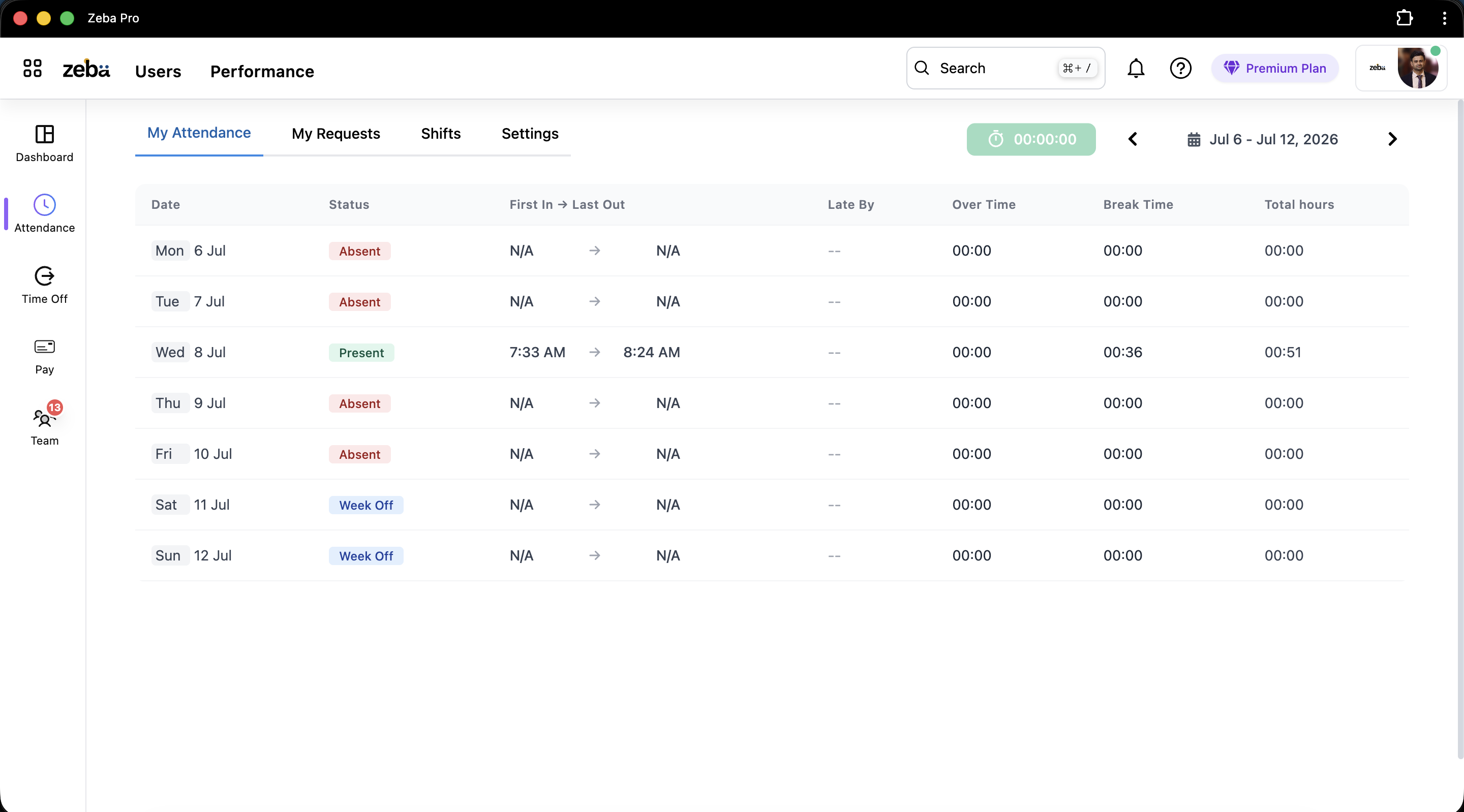
Overtime refers to the hours employees work beyond their regular schedule, as determined by company policies or applicable labor laws. Depending on local regulations and company policies, overtime may require extra pay or special payroll processing.
Since overtime calculations depend on attendance and working hours, even minor inaccuracies can lead to incorrect payments and compliance issues.
Why Accurate Attendance Matters for Overtime Management
Attendance records are the foundation for calculating overtime. If clock-in times, clock-out times, breaks, or shift schedules are incorrect, payroll calculations can quickly lose their reliability.
Accurate attendance data assists organizations in:
- Calculating overtime correctly: Employees receive fair compensation for extra work.
- Reducing payroll disputes: Reliable records decrease disagreements.
- Maintaining compliance: Accurate records uphold labor law standards.
- Controlling labor costs: Organizations gain insight into overtime expenses.
- Improving workforce planning: Managers can spot scheduling inefficiencies.
The Link Between Attendance and Compliance
Many labor regulations require employers to keep accurate records of employee hours. Lack of documentation can expose businesses to audits, fines, legal disputes, and reputational damage.
Organizations using manual attendance tracking often struggle to maintain consistent and verifiable records.
Modern attendance tracking systems help businesses generate accurate, timestamped records that support both payroll processing and compliance needs.
Common Overtime Management Challenges
1. Manual Attendance Errors
Spreadsheet-based systems can lead to inaccurate entries, missing records, and calculation errors.
These mistakes can directly influence overtime calculations and complicate payroll processing.
2. Unapproved Overtime
Employees sometimes work beyond scheduled hours without proper approval, creating challenges for managers and payroll teams.
Without accurate attendance records, organizations may find it hard to determine if overtime should be paid.
3. Shift Scheduling Complications
Businesses with multiple shifts often face difficulties in tracking overtime accurately, especially when schedules change frequently.
Automated attendance systems can help ensure that attendance records for shifts remain accurate and accessible.
4. Compliance Risks
Not keeping accurate attendance and overtime records can lead to compliance issues during audits or legal reviews.
Accurate records help businesses show they are following workplace regulations and pay requirements.
How Attendance Accuracy Reduces Payroll Errors
Payroll processing relies heavily on attendance data. Overtime calculations, shift differentials, unpaid leave deductions, and adjustments to working hours all depend on accurate attendance records.
Organizations that link attendance tracking with payroll automation can significantly cut down on payroll errors and the administrative workload.
Automated payroll workflows ensure that overtime calculations are based on verified attendance data instead of manual estimates.
The Role of Leave Management in Overtime Calculations
Attendance records alone do not show the full picture of employee work schedules. Leave requests, approved absences, and holiday schedules also impact payroll calculations.
Using an integrated leave management system helps businesses keep accurate workforce records and avoid overtime calculation errors caused by missing information.
When attendance and leave data work together, payroll processing becomes more accurate and clear.
Managing Overtime for Remote and Field Employees
Hybrid work environments and field operations have created new challenges for overtime management. Managers often need to see employee work hours across different locations.
Solutions with employee tracking features can help organizations improve visibility and support accurate overtime calculations for mobile workers.
This visibility lets businesses monitor work patterns while ensuring accountability and operational efficiency.
Attendance Management and Workforce Planning
Accurate attendance data does more than just help with compliance. It also offers valuable insights into the workforce.
Managers can spot trends like excessive overtime, staffing shortages, scheduling problems, and employee workload imbalances.
These insights allow organizations to make informed decisions that boost productivity and lower labor costs.
Manual vs Automated Overtime Management
| Area | Manual Management | Automated Attendance System |
|---|---|---|
| Attendance Records | Manual entries | Automated tracking |
| Overtime Calculations | Spreadsheet formulas | System-generated calculations |
| Compliance Documentation | Scattered records | Centralized reporting |
| Payroll Accuracy | Higher error risk | Improved accuracy |
| Workforce Visibility | Limited insights | Real-time reporting |
The Importance of Secure Workforce Data
Attendance and payroll information contains sensitive employee data that must be safeguarded.
Strong user management practices help organizations control access to workforce records and keep data secure.
Role-based permissions ensure managers, HR professionals, and employees can access needed information without compromising privacy.
Best Practices for Overtime Compliance
- 1. Implement accurate attendance tracking systems.
- 2. Establish clear overtime approval policies.
- 3. Maintain detailed attendance and payroll records.
- 4. Integrate attendance with payroll and leave management.
- 5. Review overtime reports regularly.
- 6. Train managers on overtime compliance requirements.
Organizations that follow these practices are better equipped to manage overtime fairly while reducing compliance risks.
Conclusion
Overtime and compliance are closely tied, and accurate attendance records are the foundation of both. Without reliable attendance data, businesses face payroll errors, compliance violations, labor disputes, and unnecessary operational costs.
By combining attendance tracking, leave management, payroll automation, employee tracking, and user management into a cohesive workforce management strategy, organizations can improve accuracy, maintain compliance, and build greater trust with employees. In today's work environment, accurate attendance is not just a good practice—it is essential for business.
Related reading
- The Complete Guide to Attendance Management in 2025
- 13 HR Metrics You Should Track for Attendance and Time Management
- 5 HR Metrics You Should Track for Attendance and Time Management
- 11 Hidden Payroll Costs of Leave and Holiday Management
- 11 HR Metrics You Should Track for Effective Payroll Management
- How AI-Powered HR Software Is Solving Real Workplace Problems in 2025


