


Artificial intelligence is now an important part of human resources. By 2025, AI-powered HR software is helping businesses solve real workplace issues that have troubled HR teams for years. AI is changing how organizations handle their employees, from cutting down administrative tasks and improving payroll accuracy to enhancing employee experience and better workforce planning.
As companies grow and adjust to hybrid work setups, HR departments are expected to accomplish more with fewer resources. AI-powered HR software offers the automation, insights, and efficiency needed to meet these increased demands. This allows HR professionals to focus on strategic tasks instead of repetitive work.
What Is AI-Powered HR Software?
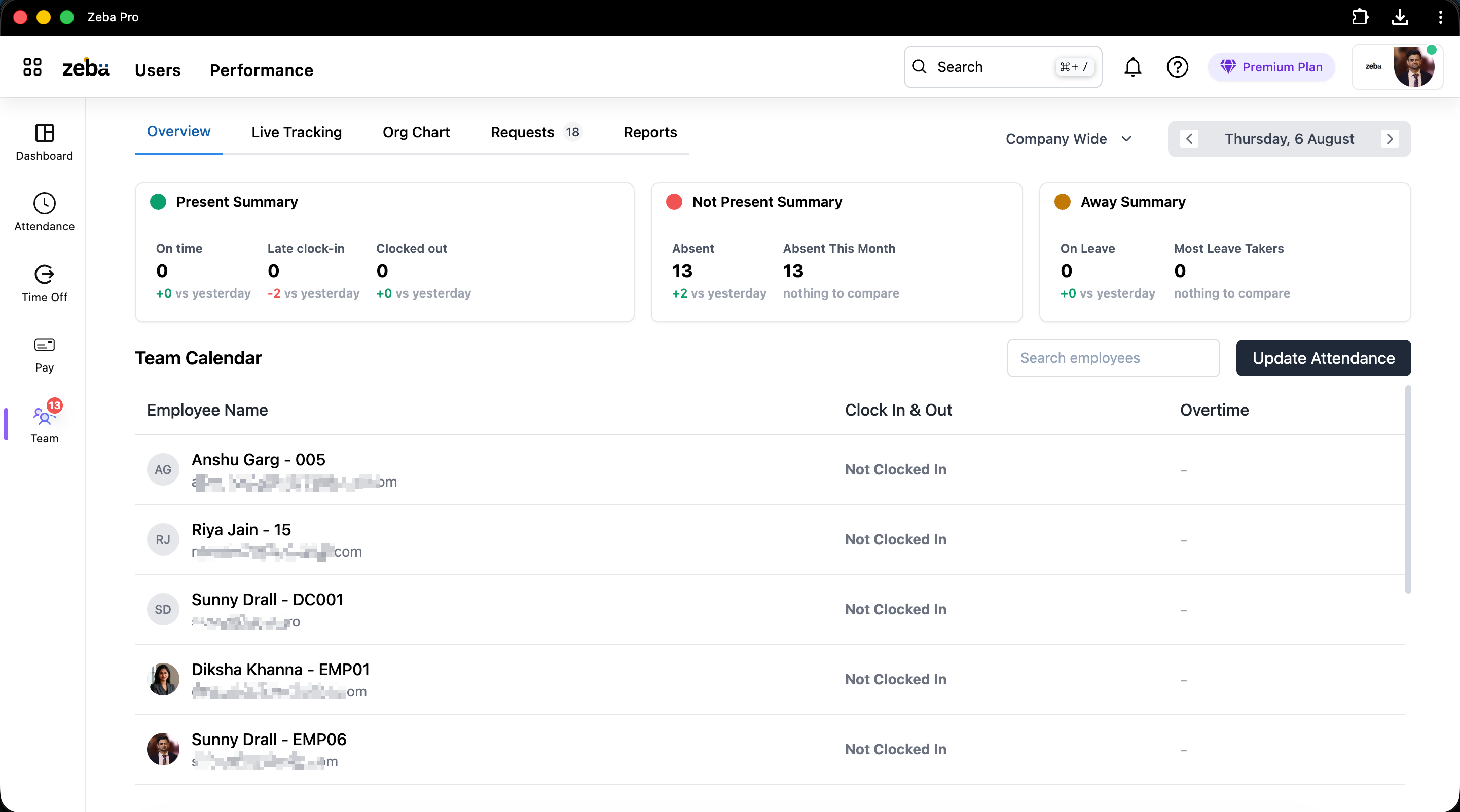
AI-powered HR software uses artificial intelligence, machine learning, and data analytics to automate HR processes, improve decision-making, and provide workforce insights. Unlike traditional HR systems, which mainly store and manage employee data, AI-driven platforms can analyze patterns, spot trends, and suggest actions.
These features help businesses boost productivity, cut down on errors, and make better workforce decisions.
Why Businesses Are Adopting AI in HR
Today’s workplaces create large amounts of employee data every day. Manually managing attendance records, leave requests, payroll information, employee performance, and workforce planning can become overwhelming.
AI helps organizations handle this information quickly and accurately, reducing the administrative workload.
- Improved efficiency: Automates repetitive HR tasks.
- Better decision-making: Provides actionable workforce insights.
- Enhanced employee experience: Delivers faster responses and self-service options.
- Reduced errors: Minimizes manual data entry and payroll mistakes.
- Scalable operations: Supports business growth without increasing HR workload.
Real Workplace Problems AI-Powered HR Software Solves
1. Manual Attendance Tracking
Many organizations still spend significant time managing attendance records by hand. This often leads to mistakes, inconsistencies, and delays in reporting.
AI-powered attendance tracking solutions can automatically gather attendance data, spot anomalies, and generate real-time reports. This gives managers immediate visibility into attendance patterns.
Automating attendance management also reduces the risk of payroll issues caused by incorrect records.
2. Inefficient Leave Management
Handling leave requests manually can create backups for both employees and HR teams. Delays in approvals and incorrect leave balances often lead to frustration.
Modern leave management systems use automation and smart workflows to simplify leave requests, approvals, and tracking. Employees have greater transparency, and managers can make quicker decisions.
3. Payroll Errors and Compliance Risks
Payroll is one of HR's most complex tasks. Small mistakes can impact employee trust and create compliance problems.
AI-powered payroll automation solutions help organizations process salaries accurately by merging attendance, leave, statutory deductions, and employee data into one workflow.
By reducing manual involvement, businesses can improve payroll accuracy and lower compliance risks.
4. Workforce Visibility Challenges
Hybrid work and remote teams have made seeing employee activity more difficult. Managers often find it hard to understand employee availability, productivity, and overall operational activity.
AI can analyze workforce data and provide insights that help managers make informed staffing and resource allocation decisions.
Organizations with field employees can enhance visibility through employee tracking features, keeping teams connected and accountable regardless of their location.
5. Employee Data Management Complexity
Maintaining employee records across various systems often creates inconsistencies and duplicates.
AI-powered HR software centralizes employee information and improves data accuracy through smart record management. Effective user management ensures that employees, managers, and administrators have proper access to workforce data.
AI-Powered HR Software vs Traditional HR Systems
| Area | Traditional HR Software | AI-Powered HR Software |
|---|---|---|
| Data Processing | Manual review | Automated analysis |
| Attendance Management | Basic tracking | Intelligent insights |
| Payroll Processing | Manual verification | Automated workflows |
| Decision-Making | Historical reports | Predictive insights |
| Employee Experience | Reactive support | Proactive assistance |
How AI Improves Employee Experience
Employees increasingly expect workplace technology to be as user-friendly as the consumer apps they use regularly. AI-powered HR software helps meet these expectations by offering faster responses, self-service options, and personalized experiences.
Employees can access attendance records, leave balances, payroll information, and company resources without waiting for HR. This boosts transparency and cuts down on frustration.
AI-driven workflows also allow HR teams to focus more on supporting employees and less on managing administrative tasks.
The Future of Workforce Management
As AI technology keeps evolving, HR software will become even smarter and more proactive. Organizations will increasingly depend on AI to support workforce planning, employee engagement, productivity analysis, and operational decision-making.
Rather than replacing HR professionals, AI enables them to concentrate on high-value activities like talent development, culture building, employee engagement, and strategic workforce planning.
Best Practices for Implementing AI-Powered HR Software
- 1. Identify repetitive HR tasks that can be automated.
- 2. Choose a platform that combines attendance, leave, payroll, and employee management.
- 3. Keep employee data accurate.
- 4. Train employees and managers on the new workflows.
- 5. Monitor results and continually improve processes.
- 6. Use AI insights to support, not replace, human decision-making.
Organizations that follow these practices are more likely to gain long-term value from AI-powered HR technology.
Conclusion
AI-powered HR software is addressing real workplace challenges in 2025, helping businesses automate routine processes, improve workforce visibility, lessen payroll errors, and enhance employee experiences. As organizations face rising pressure to operate efficiently while supporting a growing workforce, AI is becoming vital to modern HR operations.
Businesses that integrate attendance tracking, leave management, payroll automation, employee tracking, and user management within an AI-powered HR platform can develop a smarter, more efficient workforce management strategy that fosters sustainable growth and long-term success.
Related reading
- The Complete Guide to Attendance Management in 2025
- Employee Management: Complete Guide for Growing Businesses
- Rethinking Performance Management in the Age of Hybrid Work
- 11 HR Metrics You Should Track for Effective Payroll Management
- 13 HR Metrics You Should Track for Attendance and Time Management
- 11 Hidden Payroll Costs of Leave and Holiday Management


