


Introduction: Why Attendance and Time Tracking Matter
In today’s fast-paced business environment, managing attendance and time tracking can make or break your organization’s efficiency and employee satisfaction. Imagine a world where you can effortlessly monitor working hours, manage late marks, and ensure shift adherence-all while freeing up valuable HR resources. In 2026, with the right tools and strategies, this can be your reality.
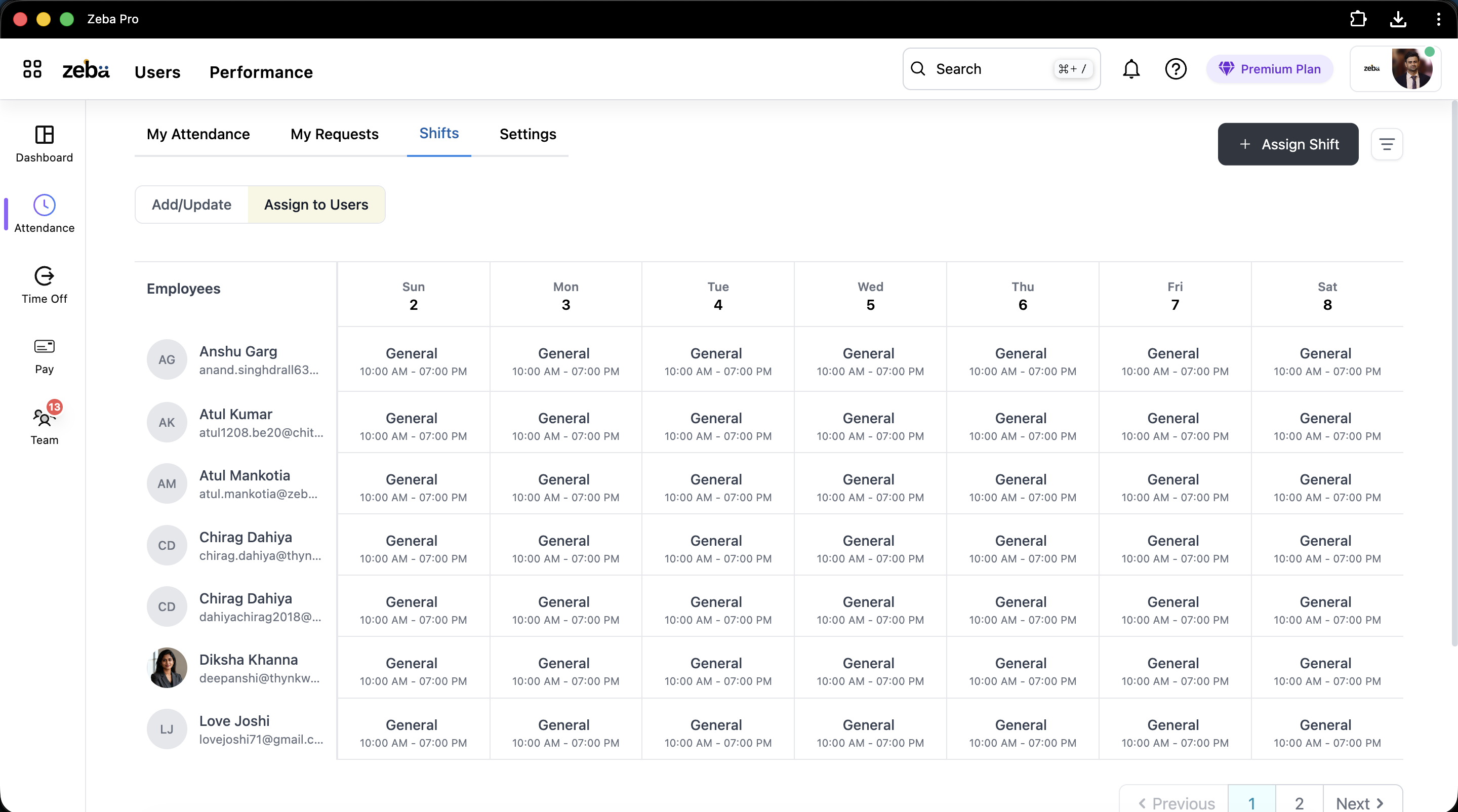
This blog post explores practical methods to enhance attendance and time tracking within your organization, focusing on the benefits of utilizing an advanced HR platform like Zeba Pro. Let’s dive in!
The Importance of Accurate Attendance Tracking
Accurate attendance tracking is not just about keeping tabs on who is present at work; it is vital for:
- Payroll Accuracy: Ensuring employees are paid correctly for the hours they work.
- Compliance: Meeting legal requirements related to labor laws and wage regulations.
- Productivity Insights: Understanding attendance trends can help identify productivity issues or employee burnout.
- Employee Engagement: Demonstrating that you value employees' time enhances their satisfaction and commitment.
How Traditional vs. Modern Attendance Tracking Compares
| Feature | Traditional Methods | Modern Solutions |
|---|---|---|
| Data Entry | Manual entry via spreadsheets or paper forms | Automated data capture through software |
| Real-time Tracking | Delayed updates | Instant updates accessible via the cloud |
| Reporting | Time-consuming and error-prone | Instant, accurate reporting capabilities |
| Compliance Management | Manual checks | Automated compliance alerts and tracking |
Key Features of Effective Attendance and Time Tracking Solutions
When choosing a time tracking system, look for features that enhance operational efficiency:
- Real-time Data Capture: Ensure that attendance and time are tracked as they happen.
- Integration with Payroll: Seamless integration with payroll systems minimizes errors.
- Mobile Access: Allow employees to clock in and out remotely through mobile apps.
- Customizable Reporting: Generate reports that meet your specific needs.
- Alerts and Notifications: Get notified about absences, late arrivals, and compliance issues.
Implementing an Attendance Tracking System: A Step-by-Step Guide
Transitioning to a new attendance tracking system can seem daunting but can be straightforward with a structured approach:
- Assess Your Current Process: Identify gaps in your existing attendance tracking method.
- Set Clear Objectives: Define what you want to accomplish with the new system (e.g., reduced errors, improved compliance).
- Choose the Right Software: Explore options like Zeba Pro to find a solution that meets your needs.
- Train Your Team: Ensure that all employees understand how to use the new system effectively.
- Monitor and Adjust: After implementation, regularly review the system's performance and make necessary adjustments.
Real-World Examples of Effective Attendance Tracking
Consider a mid-sized manufacturing company that struggled with attendance tracking due to manual methods. After implementing Zeba Pro’s automated time tracking system:
- They reduced payroll processing time by 50%.
- Identified patterns of absenteeism leading to targeted employee engagement programs.
- Enhanced compliance with labor regulations through automated alerts.
This transformation not only streamlined operations but also improved employee morale and retention rates.
Common Challenges and How to Overcome Them
While implementing a new attendance tracking system can yield significant benefits, challenges may arise:
- Resistance to Change: Employees may be hesitant to adopt new technology. Offer training and support to ease the transition.
- Data Privacy Concerns: Ensure compliance with data protection regulations to build trust.
- Integration Issues: Work closely with your IT department to ensure seamless integration with existing systems.
Practical Takeaways for Your Organization
Here are some actionable steps you can take to improve attendance and time tracking:
- Evaluate your current attendance tracking process and identify areas for improvement.
- Research and select a time tracking solution that aligns with your business needs.
- Communicate openly with your team about the changes and how they will benefit everyone.
- Regularly review attendance data to identify trends and address potential issues proactively.
Conclusion: Taking the Next Steps
In 2026, effective attendance and time tracking are essential for any growing business. By adopting modern solutions, you can enhance payroll accuracy, ensure compliance, and improve employee satisfaction.
Start by assessing your current processes, exploring new tools, and setting clear objectives for your attendance tracking system. Remember, the goal is to create a transparent and efficient process that benefits both the organization and its employees.
Now is the time to take action. Begin your journey towards better attendance and time tracking today!


