


Introduction
The employee lifecycle encompasses every phase of an employee's journey within an organization, from recruitment to offboarding. Understanding this journey is crucial for HR professionals looking to create a seamless and engaging employee experience. In 2026, as businesses face evolving challenges and opportunities, optimizing HR operations across the employee lifecycle is more important than ever.
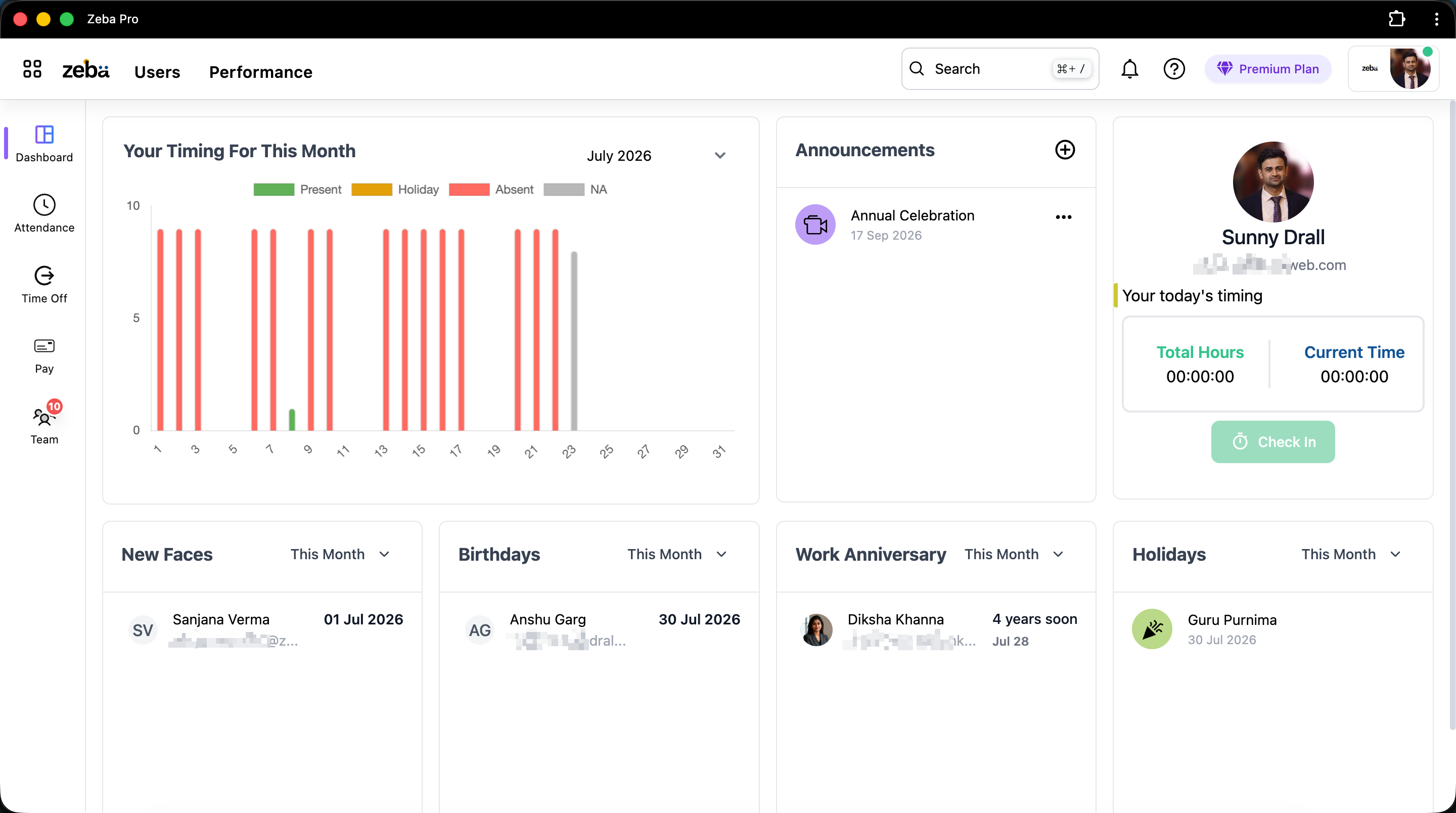
In this article, we will explore how to effectively manage HR operations at each stage of the employee lifecycle. We'll discuss practical strategies for onboarding, ongoing management, and offboarding, and how using a robust HR platform like Zeba Pro can help streamline these processes.
The Employee Lifecycle Stages
The employee lifecycle can be broken down into several key stages:
- Recruitment and Hiring
- Onboarding
- Development
- Retention
- Offboarding
1. Recruitment and Hiring
The first step in the employee lifecycle is recruitment and hiring. This stage is critical as it sets the foundation for your organization's workforce. To attract the best talent, consider the following:
- Utilize multiple channels for job postings, including social media and job boards.
- Develop a compelling employer brand that showcases your company culture.
- Implement an applicant tracking system (ATS) to streamline the hiring process.
For instance, using Zeba Pro's recruitment features, you can manage job postings and track applications efficiently, ensuring you don’t miss out on top candidates.
2. Onboarding
Once you've hired your new team members, the onboarding process begins. A well-structured onboarding experience helps new employees acclimate and increases their chances of long-term success.
Here are some best practices for effective onboarding:
- Provide a comprehensive orientation program that covers company policies, culture, and expectations.
- Assign a mentor or buddy to guide new hires through their first few weeks.
- Utilize technology to automate paperwork and training schedules.
With Zeba Pro, you can automate onboarding tasks, reducing administrative burdens and allowing HR to focus on engaging new employees from the start.
3. Development
Employee development is crucial for maintaining engagement and enhancing skills. Investing in your employees not only benefits them but also strengthens your organization. Consider these strategies:
- Offer regular training sessions and workshops to upskill employees.
- Implement performance reviews to provide feedback and set future goals.
- Encourage a culture of continuous learning through online courses and resources.
By leveraging Zeba Pro's learning management features, HR can easily track employee development and ensure that team members are continually growing in their roles.
4. Retention
Retaining top talent is essential for organizational success. High turnover can be costly and disrupt team dynamics. To improve retention, focus on:
- Creating a positive workplace culture that values employee feedback.
- Offering competitive compensation and benefits packages.
- Implementing flexible work arrangements to support work-life balance.
Incorporating regular employee engagement surveys can provide valuable insights into what your team values most. Zeba Pro can help facilitate these surveys and analyze the results effectively.
5. Offboarding
Offboarding is often an overlooked stage of the employee lifecycle, but it’s just as important as the others. A positive offboarding experience can lead to valuable alumni relationships and positive word-of-mouth. Here are some best practices:
- Conduct exit interviews to gather feedback on the employee experience.
- Ensure a smooth transition of responsibilities to other team members.
- Maintain contact with departing employees for potential future collaboration.
Using Zeba Pro, HR can streamline the offboarding process, making it easier to manage paperwork and ensure compliance with company policies.
Employee Lifecycle and HR Operations: A Comparison
To better understand how effective HR operations can impact the employee lifecycle, let's compare traditional HR approaches with automated systems:
| Aspect | Traditional HR Approach | Automated HR System |
|---|---|---|
| Onboarding Process | Manual paperwork and orientation schedules | Automated workflows and digital document management |
| Performance Tracking | Annual reviews with limited feedback | Real-time feedback and continuous performance management |
| Employee Engagement | Infrequent surveys and ad-hoc feedback | Regular engagement surveys and data analysis |
| Offboarding Process | Disorganized exit interviews and paperwork | Structured exit processes with automated feedback collection |
Real-World Example
Consider a mid-sized tech company that recently adopted Zeba Pro for its HR operations. Prior to using the platform, their manual processes led to delays in hiring and onboarding. After implementing Zeba Pro, they reported:
- A 30% reduction in time-to-hire, allowing them to fill positions quickly.
- A 50% decrease in onboarding paperwork errors, leading to smoother transitions for new hires.
- Increased employee satisfaction scores due to better engagement strategies.
This illustrates how effective HR operations can lead to tangible results and improved business outcomes.
Practical Takeaways
As you navigate the employee lifecycle in 2026, here are some actionable steps to enhance your HR operations:
- Assess your current recruitment strategies and explore new channels for attracting talent.
- Standardize your onboarding process to ensure consistency and reduce administrative tasks.
- Invest in employee development programs and make them accessible to all team members.
- Regularly gather employee feedback to improve retention strategies.
- Streamline offboarding processes to maintain positive relationships with former employees.
Conclusion
The employee lifecycle is a vital aspect of HR operations that directly influences employee satisfaction and business success. By optimizing each stage-from recruitment to offboarding-you can create a more engaged workforce and improve overall outcomes for your organization.
As you implement these strategies, consider using technology like Zeba Pro to automate and simplify your HR processes. With the right tools and a focus on the employee experience, you’ll be well-equipped to navigate the challenges and opportunities of 2026 and beyond.


