


Introduction: The Importance of HR Compliance
In today’s fast-paced business world, staying compliant with HR regulations is more essential than ever. As we navigate through 2026, companies face an increasing array of statutory requirements that can be overwhelming. From labor laws to tax obligations, compliance is not just a legal necessity; it is also a critical factor for building trust with employees and stakeholders.
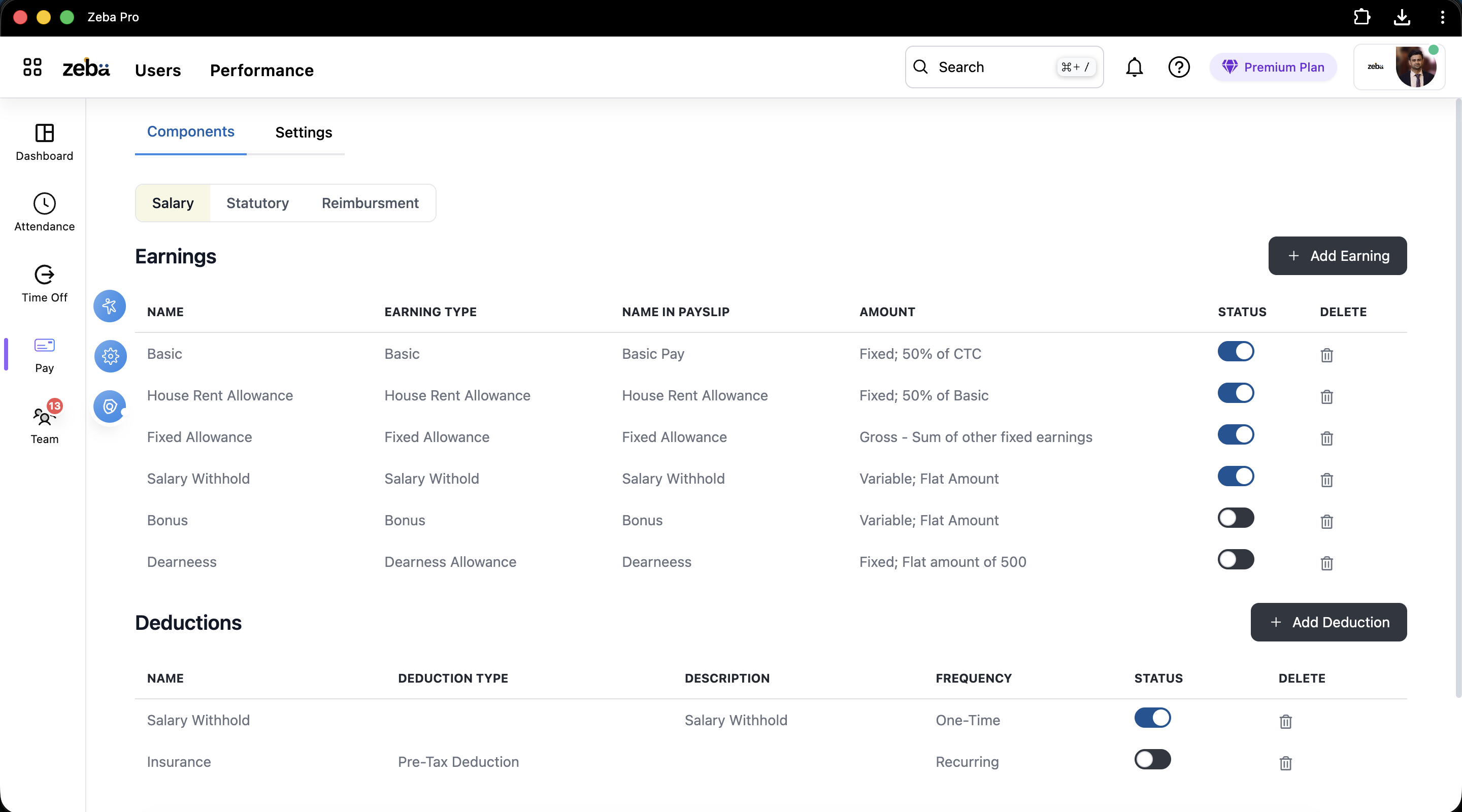
If you are part of an HR team or a business owner, understanding how to implement effective workflows for compliance can save you time, reduce risks, and enhance employee experience. In this blog post, we’ll explore the ins and outs of HR compliance, how to create structured statutory workflows, and the role of automation in simplifying these processes.
Understanding HR Compliance
HR compliance involves adhering to laws, regulations, and standards that govern employment practices. This includes everything from hiring practices and workplace safety to payroll and employee benefits. Ignoring compliance can lead to hefty fines and damage to your organization’s reputation.
Here are some key areas of HR compliance you should be aware of:
- Labor Laws: These laws dictate employee rights, minimum wage, overtime pay, and workplace safety.
- Tax Regulations: Employers must adhere to various tax laws, including income tax withholding and social security contributions.
- Employee Benefits: Compliance with regulations governing health insurance, retirement plans, and other benefits is crucial.
- Data Protection: With the rise of digital information, protecting employee data is a legal requirement in many jurisdictions.
The Role of Statutory Workflows in HR Compliance
Statutory workflows are structured processes that help organizations manage compliance effectively. They outline the necessary steps to follow for each compliance requirement, ensuring nothing is overlooked. Here’s why having a solid workflow is important:
- Clarity: Clear workflows provide guidance to HR professionals on compliance processes.
- Consistency: Automated workflows ensure that compliance measures are applied consistently across the organization.
- Efficiency: Streamlined processes save time and reduce the chances of errors.
- Accountability: Well-defined workflows establish responsibility, making it easier to track compliance efforts.
Creating Effective Statutory Workflows
Creating effective statutory workflows requires careful planning and consideration of various factors. Here are some steps to help you design workflows that work:
- Identify Compliance Requirements: Start by listing all the statutory obligations your organization must meet.
- Map the Process: Outline the steps needed to achieve compliance for each requirement, including who is responsible for each step.
- Leverage Technology: Consider using HR software like Zeba Pro to automate workflows.
- Train Your Team: Ensure that all HR staff are trained on compliance processes and the use of any technology involved.
- Regular Reviews: Schedule regular reviews of your workflows to update them as necessary based on changes in laws or business operations.
Automation: The Game Changer
Automation has become a game-changer in HR compliance. With the right HR management platform, you can automate many compliance-related tasks, reducing manual workload and minimizing human error. Here’s how automation can help:
- Real-Time Updates: Automated systems can provide real-time updates on compliance changes, helping you stay informed.
- Document Management: Automation can streamline the collection and storage of necessary compliance documents.
- Task Reminders: Set up automated reminders for important compliance deadlines.
- Data Tracking: Use automated systems to track employee data, ensuring adherence to data protection laws.
HR Compliance Workflows: A Comparison
To better understand the impact of effective workflows, let’s look at a comparison between compliant and non-compliant HR operations:
| Aspect | Compliant HR Operations | Non-Compliant HR Operations |
|---|---|---|
| Risk Management | Minimized risks with structured processes | High risk of fines and legal issues |
| Employee Trust | Fosters trust through transparent practices | Creates skepticism among employees |
| Efficiency | Streamlined processes save time | Disorganized processes lead to delays |
| Data Management | Secure and compliant handling of employee data | Vulnerable to data breaches |
Real-World Scenarios: Compliance in Action
Let’s consider a couple of real-world scenarios to illustrate the importance of HR compliance and statutory workflows:
Scenario 1: A growing tech startup realizes they need to comply with new workplace safety regulations after a minor incident. By implementing a structured workflow, they quickly identify the necessary safety protocols and ensure all employees are trained, minimizing the risk of future incidents.
Scenario 2: A well-established manufacturing firm faces hefty fines due to payroll discrepancies. They lacked a solid workflow for tracking employee hours and managing payroll compliance. After adopting an automated HR platform, they implement a robust attendance and payroll monitoring system, preventing future issues.
Practical Takeaways for HR Teams
As you consider your own HR compliance strategies, keep these practical takeaways in mind:
- Invest in compliance training for your HR team to keep everyone aligned on the latest regulations.
- Utilize HR technology to automate routine tasks and improve accuracy.
- Regularly review your compliance workflows to adapt to changes in laws or company policy.
- Encourage open communication among team members regarding compliance issues.
- Document all compliance efforts meticulously to provide a clear audit trail.
Conclusion: Taking Action on HR Compliance
In 2026, maintaining HR compliance is not just about avoiding penalties; it’s about fostering a culture of integrity and trust within your organization. By implementing structured statutory workflows and embracing automation, you can streamline compliance processes and enhance overall employee experience.
What’s your next move? Start by identifying the compliance areas that need attention in your organization. Map out workflows, invest in training, and leverage technology to create a more efficient compliance framework. Remember, a proactive approach to compliance can save you time, money, and headaches down the road. Here’s to building a compliant and thriving workplace!


