


In the fast-paced environment of small and medium enterprises (SMEs), efficient payroll management is crucial. Payroll automation can significantly enhance accuracy and save time, allowing HR professionals to focus on strategic initiatives.
The Importance of Payroll Automation for SMEs
As SMEs grow, the complexity of managing payroll increases. Handling salaries, deductions, and compliance can become overwhelming without the right tools. Payroll automation addresses these challenges by streamlining processes, reducing errors, and enhancing employee satisfaction.
What is Payroll Automation?
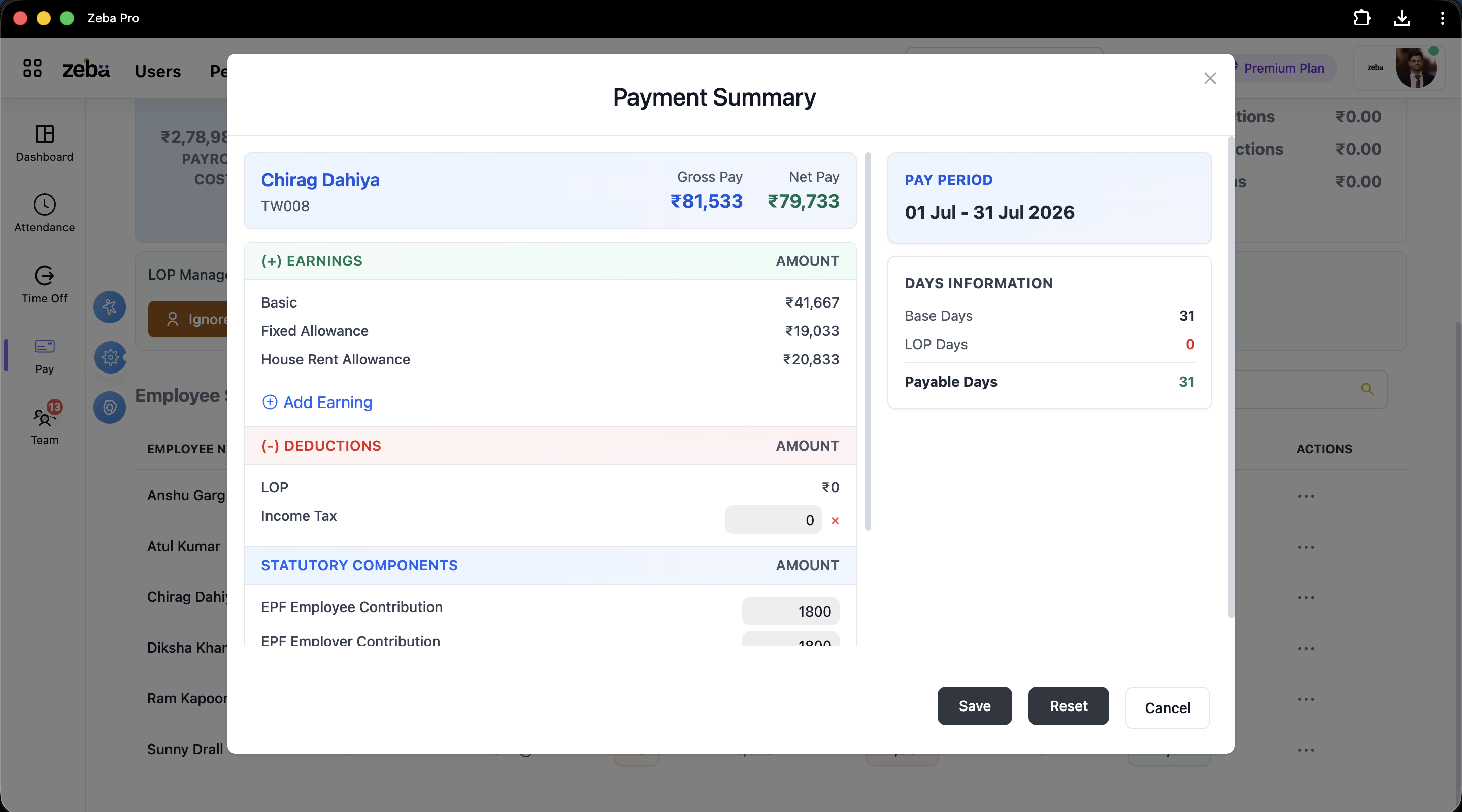
Payroll automation refers to the use of technology to manage payroll processes without manual intervention. This involves automating tasks such as calculating salaries, processing deductions, and generating payslips. The goal is to minimize human error and improve efficiency.
Benefits of Payroll Automation
- Accuracy: Automated systems reduce the risk of calculation errors, ensuring employees are paid correctly.
- Time-Saving: Automating repetitive tasks frees up HR professionals to focus on strategic activities.
- Compliance: Keeping up with changing labor laws and tax regulations can be daunting. Automating payroll helps ensure compliance.
- Employee Experience: Quick and accurate payroll processing leads to higher employee satisfaction.
- Cost Efficiency: Reducing manual processes can lead to significant cost savings in the long run.
How Payroll Automation Works
Automating payroll typically involves implementing specialized software that integrates with existing HR systems. Here’s a simplified breakdown of how the process works:
- Data Entry: Employee information, including hours worked and salary details, is entered into the system.
- Calculations: The software automatically calculates gross pay, deductions, and net pay based on predefined rules.
- Compliance Checks: The system verifies that all calculations comply with current laws and regulations.
- Payment Processing: Once verified, payments are processed and disbursed, often through direct deposit.
- Reporting: The system generates payroll reports for HR and finance departments.
Real-World Examples of Payroll Automation in SMEs
Let’s look at two SMEs that successfully implemented payroll automation:
Case Study 1: Tech Startup
A tech startup with 50 employees found payroll processing was taking up to 10 hours each month. By implementing Zeba Pro’s payroll automation tool, they reduced this time to under an hour. The startup not only saved time but also eliminated payroll errors, which previously led to employee dissatisfaction.
Case Study 2: Retail Business
A retail business with multiple locations struggled with varying pay rates and overtime calculations. After automating their payroll, they ensured consistent and accurate payments across all locations. This change improved employee morale and reduced turnover rates.
Key Features to Look for in Payroll Automation Software
When selecting a payroll automation tool, consider the following features:
- User-Friendly Interface: The software should be easy to navigate for HR staff.
- Integration Capabilities: Look for tools that integrate seamlessly with your existing HR and accounting software.
- Compliance Updates: Ensure the software provides regular updates to stay compliant with tax laws.
- Reporting Tools: The ability to generate detailed payroll reports is essential for tracking expenses.
- Employee Self-Service: A portal where employees can access their payslips and tax information enhances transparency.
Payroll Automation vs. Manual Payroll Processing
To further illustrate the advantages of payroll automation, let’s compare automated payroll systems to traditional manual processes:
| Feature | Manual Payroll Processing | Automated Payroll Processing |
|---|---|---|
| Time Required | 10+ hours per month | 1 hour per month |
| Error Rate | High | Low |
| Compliance Management | Manual updates | Automatic updates |
| Employee Access | Limited | 24/7 access |
| Cost Efficiency | Higher operational costs | Lower operational costs |
Challenges of Implementing Payroll Automation
While the benefits are clear, implementing payroll automation does come with challenges. Here are some common hurdles SMEs face:
- Initial Costs: The upfront investment in software can be a barrier for some SMEs.
- Change Management: Employees may resist transitioning to automated systems, requiring training and support.
- Data Security: Ensuring employee data remains secure is critical in any automated system.
Practical Steps to Implement Payroll Automation
To ensure a smooth transition to payroll automation, follow these steps:
- Research Software Options: Look for payroll solutions that fit your business needs. Consider trial versions to evaluate usability.
- Involve Key Stakeholders: Include HR, finance, and IT departments in the decision-making process.
- Plan for Training: Provide training for staff to familiarize them with the new system.
- Set a Timeline: Establish a realistic timeline for implementation and communicate it with your team.
- Monitor and Optimize: After implementation, continuously monitor the system for efficiency and make adjustments as needed.
Enhancing Employee Experience Through Payroll Automation
One of the often-overlooked aspects of payroll automation is its impact on employee experience. By ensuring timely and accurate payments, employees feel valued and cared for. Additionally, self-service portals allow employees to manage their payroll information, enhancing transparency and reducing inquiries to HR.
Feedback Mechanisms
Consider implementing feedback mechanisms to gauge employee satisfaction with the new payroll system. Surveys or focus groups can provide insights into areas for improvement.
Conclusion: Taking the Next Steps Towards Payroll Automation
As we move further into 2026, the need for efficient payroll management becomes increasingly essential for SMEs. By embracing payroll automation, you can reduce errors, save time, and enhance the overall employee experience.
To begin your journey towards payroll automation, identify your specific payroll needs, research available solutions, and involve your team in the process. The transition may require effort, but the long-term benefits will far outweigh the initial challenges. Start today, and position your SME for success in the ever-evolving business landscape.


