


Effective leave and holiday management is crucial for maintaining a productive workforce. As businesses grow, so does the complexity of managing employee leave, making it essential to implement streamlined processes and technologies.
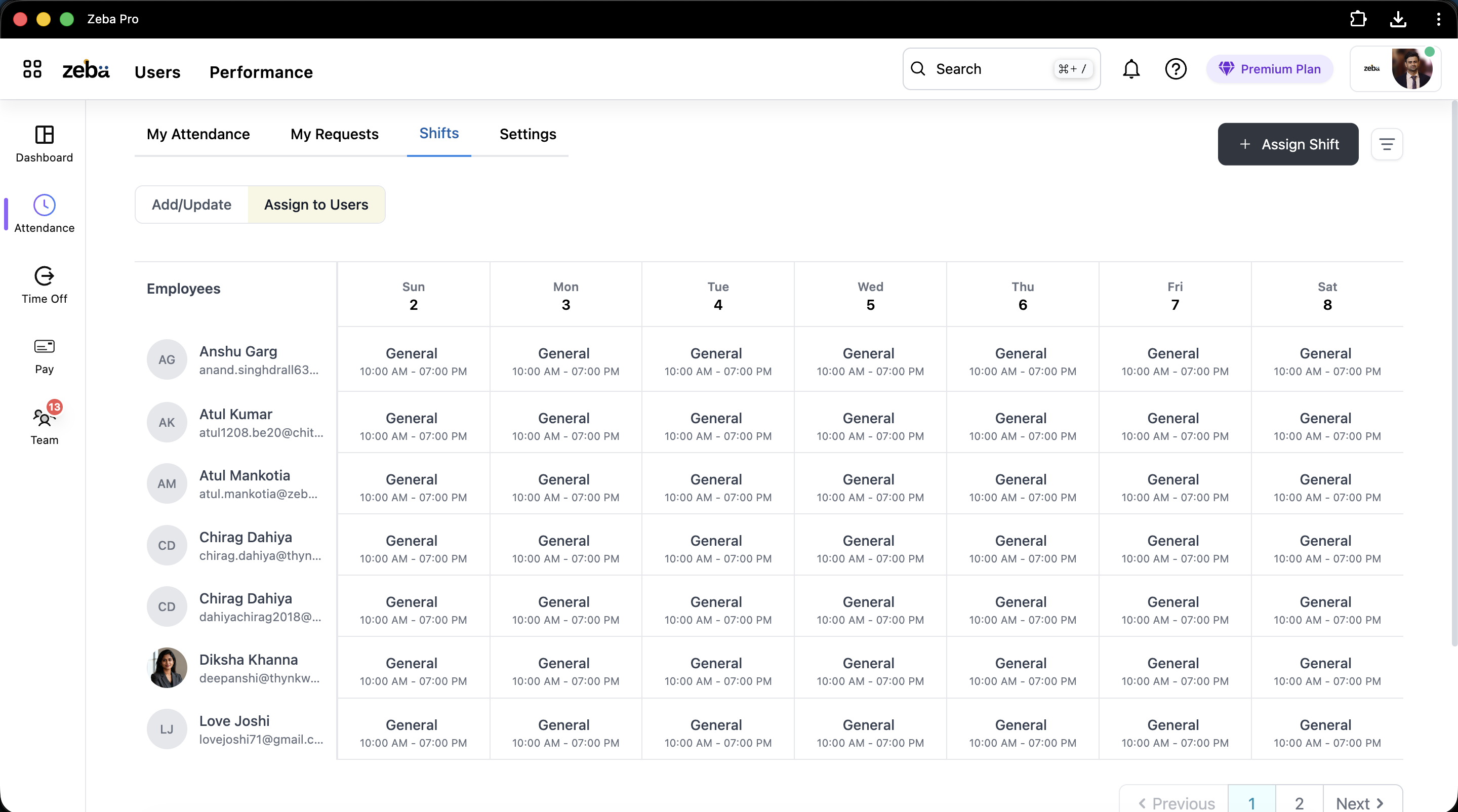
Understanding Leave and Holiday Management
Leave and holiday management encompasses the processes and systems that organizations use to handle employee requests for time off. This includes annual leave, sick leave, public holidays, and other types of leave. Effective management not only helps maintain compliance with labor laws but also supports employee satisfaction and retention. In 2026, with evolving work environments and employee expectations, mastering this aspect of HR is more important than ever.The Importance of Leave Management
A robust leave management system is vital for several reasons:- Compliance: Adhering to local and national labor laws is essential to avoid legal repercussions.
- Employee Satisfaction: A clear leave policy enhances employee morale and promotes a healthy work-life balance.
- Operational Efficiency: Streamlining leave requests and approvals minimizes disruption to workflow.
Types of Leave
Understanding the different types of leave is crucial for effective management. Key categories include:- Annual Leave: Paid time off usually accrued based on the employee's length of service.
- Sick Leave: Leave taken due to health issues, often requiring a medical certificate.
- Casual Leave: Short-term leave for personal reasons, typically requiring minimal notice.
- Public Holidays: Days designated by law or regulation on which employees are entitled to time off.
- Maternity/Paternity Leave: Time off related to childbirth or adoption, often regulated by law.
Best Practices for Leave Management in 2026
Implementing best practices for leave management can lead to significant improvements in compliance and employee experience. Here are some recommendations:1. Automate the Leave Request Process
Automation can drastically reduce the time spent on leave management tasks. Using an HR management system like Zeba Pro, you can automate:- Leave requests and approvals through a digital platform.
- Notifications to managers for pending approvals.
- Balance tracking for employees to avoid unauthorized leave.
2. Maintain Clear Policies
Transparency in leave policies is essential for employee understanding and compliance. Clearly outline:- Accrual rates for different types of leave.
- Process for requesting leave and required documentation.
- Impact of leave on performance evaluations and pay.
3. Track Leave Balances Accurately
Accurate tracking of leave balances helps prevent disputes and ensures compliance. Utilizing software with integrated tracking features can help:- Provide real-time leave balance insights to employees.
- Alert HR when employees approach their leave limits.
- Generate reports for management on leave trends and usage.
4. Encourage a Healthy Leave Culture
Promoting a culture that encourages taking leave can have positive effects on employee well-being. Consider:- Implementing "mandatory leave" policies to ensure employees take necessary time off.
- Offering incentives for taking leave to recharge and avoid burnout.
5. Leverage Technology for Communication
Effective communication is vital for successful leave management. Use platforms that allow:- Instant notifications about approval status.
- Reminders for upcoming holidays and leave balances.
Comparative Analysis of Leave Management Systems
When selecting a leave management system, it is crucial to compare features and benefits. Below is a table comparing key functionalities of popular HR management systems:| Feature | Zeba Pro | Competitor A | Competitor B |
|---|---|---|---|
| Automated Leave Requests | Yes | Yes | No |
| Real-Time Balance Tracking | Yes | No | Yes |
| Custom Leave Policies | Yes | Yes | No |
| Integration with Payroll | Yes | No | Yes |
| Employee Self-Service Portal | Yes | Yes | No |
Real-World Examples of Effective Leave Management
Several organizations have successfully implemented leave management systems that enhance employee satisfaction while ensuring compliance. For example, a mid-sized technology company adopted an automated leave management system that allowed employees to submit requests via a mobile app. This resulted in a 40% reduction in processing time and improved employee satisfaction ratings by 25% within the first year. Another example is a retail chain that implemented mandatory leave policies during off-peak seasons. This not only helped reduce employee burnout but also improved overall productivity as employees returned refreshed.Practical Takeaways
To effectively manage leave and holidays in 2026: 1. **Invest in Technology:** Consider platforms like Zeba Pro that simplify the leave request process. 2. **Educate Employees:** Clearly communicate leave policies and processes to ensure everyone understands their rights and responsibilities. 3. **Foster a Positive Culture:** Encourage employees to take their allotted leave to maintain a healthy work-life balance.Next Steps for HR Professionals
As you look to refine your leave and holiday management processes, consider the following actions: - Review your current leave policies and identify areas for improvement. - Explore HR software solutions that offer robust leave management features. - Schedule training sessions for your HR team on best practices and compliance. By taking these steps, you can enhance your organization’s leave management processes, ultimately leading to a more engaged and productive workforce.Related reading
- Leave and Holiday Management: Best Practices for 2026
- Mastering Attendance and Time Tracking in 2026: Essential Strategies
- Navigating HR Compliance and Statutory Workflows in 2026
- Streamlining Payroll Automation for SMEs in 2026
- The All-in-One HRMS Solution Transforming Business Operations in 2026
- Understanding Professional Tax in 2026: A Comprehensive Guide


