


In the fast-paced world of business, efficiency is key. An all-in-one HRMS solution can significantly streamline your HR operations, freeing up valuable time for strategic initiatives.
Understanding the All-in-One HRMS Solution
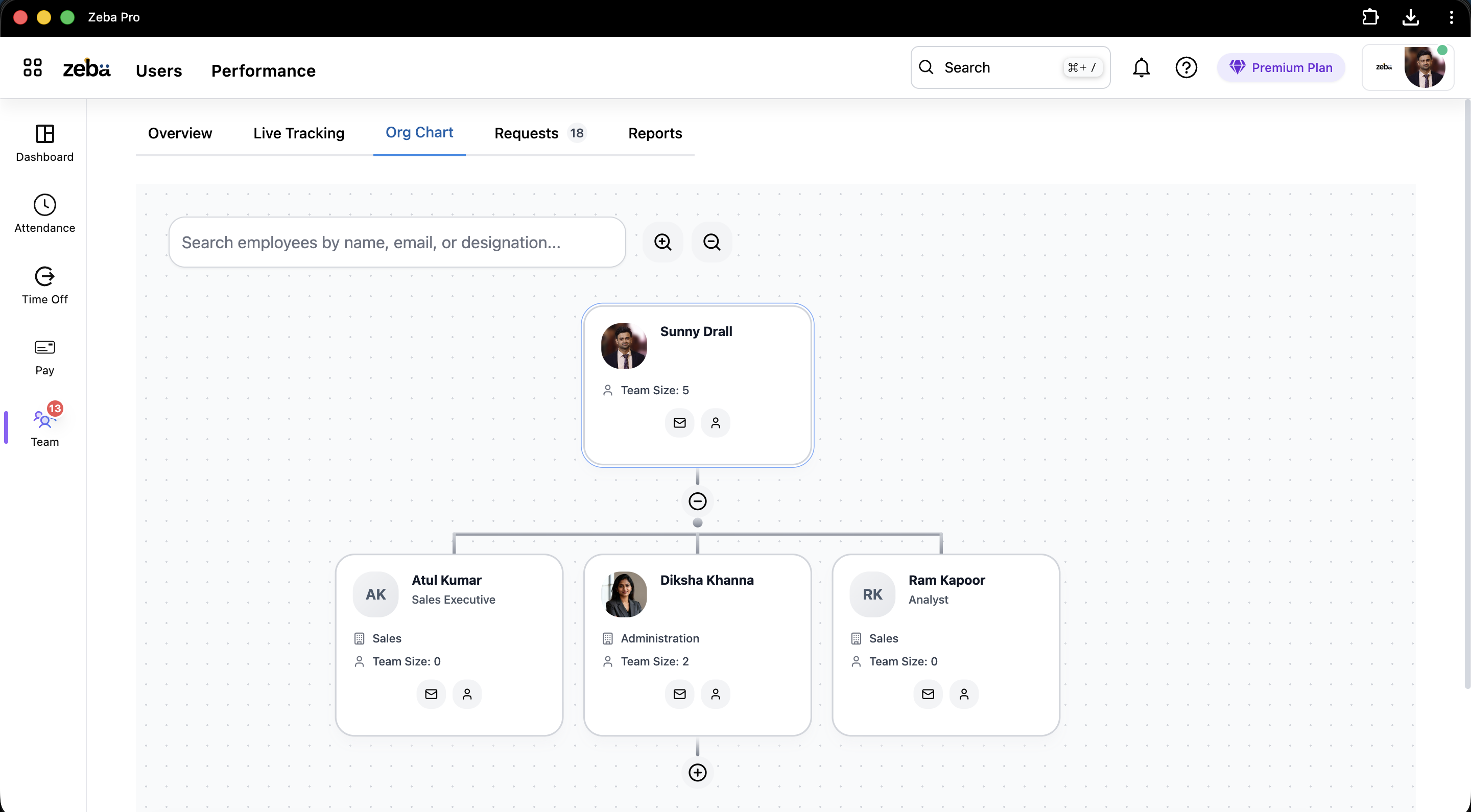
An all-in-one Human Resource Management System (HRMS) consolidates various HR functions into a single platform. This integration simplifies processes, enhances data accuracy, and improves the overall employee experience.
In 2026, the modern workforce demands flexibility, transparency, and efficiency. An all-in-one HRMS solution addresses these needs by offering tools that facilitate hiring, payroll management, attendance tracking, and compliance, all in one place.
The Core Components of an All-in-One HRMS
To fully grasp the benefits of an all-in-one HRMS, it is essential to understand its core components. Here are the primary functions typically included:
- Recruitment and Onboarding: Streamlined processes for job postings, applicant tracking, and onboarding new hires.
- Payroll Management: Automated payroll calculations, tax compliance, and direct deposit features.
- Attendance and Time Tracking: Tools to monitor employee attendance, manage leave requests, and track working hours.
- Performance Management: A framework for regular employee evaluations, feedback, and development plans.
- Compliance and Reporting: Built-in compliance features that ensure adherence to labor laws and regulations.
Benefits of an All-in-One HRMS Solution
Implementing an all-in-one HRMS can yield significant benefits for businesses of all sizes. Here are some of the most notable advantages:
1. Enhanced Efficiency
By consolidating multiple HR functions into one platform, businesses can reduce administrative overhead. Employees spend less time navigating different systems and more time focusing on strategic tasks that drive business growth.
2. Improved Data Accuracy
Data entry across various platforms can lead to errors and inconsistencies. An all-in-one system minimizes these risks by centralizing data storage, ensuring that information remains accurate and up-to-date.
3. Better Employee Experience
Employees benefit from a seamless experience when accessing HR services. From applying for leave to viewing payslips, a unified platform improves engagement and satisfaction.
4. Scalability
As businesses grow, their HR needs evolve. An all-in-one HRMS can scale easily, accommodating new employees and expanding functionalities without requiring extensive overhauls.
5. Comprehensive Reporting and Analytics
With centralized data, organizations gain access to powerful reporting and analytics tools. This enables HR teams to make informed decisions based on real-time insights.
Key Features to Look for in an All-in-One HRMS
When evaluating all-in-one HRMS solutions, consider the following key features:
- User-Friendly Interface: The platform should be intuitive and easy to navigate for all users.
- Mobile Accessibility: Look for solutions that offer mobile apps, allowing employees to access HR services on the go.
- Customization Options: Ensure the system can be tailored to meet the specific needs of your organization.
- Integration Capabilities: The HRMS should easily integrate with other business tools, such as accounting software or project management platforms.
- Data Security: Verify that the solution adheres to data protection regulations and has robust security measures in place.
Real-World Applications of All-in-One HRMS
Let’s look at a few scenarios where an all-in-one HRMS solution can significantly enhance business operations.
Scenario 1: Streamlining the Hiring Process
A growing tech startup is struggling with a high volume of applicants. By implementing an all-in-one HRMS, they can automate job postings across multiple platforms and track applicants in real time. This leads to a more organized recruitment process, enabling the HR team to focus on selecting the best candidates.
Scenario 2: Automating Payroll Compliance
A medium-sized manufacturing firm faces challenges with payroll compliance due to constantly changing regulations. With an all-in-one HRMS, they benefit from automated updates related to tax laws and compliance requirements. This minimizes the risk of costly errors and ensures timely payroll processing.
Scenario 3: Enhancing Employee Engagement
A retail chain uses an all-in-one HRMS to provide employees with easy access to their information. Employees can view payslips, request time off, and participate in performance reviews through a single platform. This transparency fosters a positive work environment, leading to higher employee satisfaction and retention rates.
Comparative Analysis: All-in-One HRMS vs. Traditional HR Systems
To better understand the advantages of an all-in-one HRMS, let's compare it with traditional HR systems.
| Feature | All-in-One HRMS | Traditional HR Systems |
|---|---|---|
| Integration | Seamless integration of all HR functions | Multiple systems with limited integration |
| User Experience | Intuitive and user-friendly | Often requires training and support |
| Data Management | Centralized and accurate data | Potential for data silos and errors |
| Reporting | Comprehensive analytics capabilities | Limited reporting functions |
| Cost Efficiency | Reduces administrative costs | Higher costs due to system fragmentation |
Implementing an All-in-One HRMS: Steps to Take
Transitioning to an all-in-one HRMS requires careful planning. Here are the steps to effectively implement the system:
- Assess Your Needs: Identify the specific HR functions that require improvement and the features necessary for your organization.
- Research Solutions: Explore various all-in-one HRMS options, comparing features and pricing.
- Involve Stakeholders: Engage key stakeholders, including HR staff and management, to gather input and ensure buy-in.
- Plan the Transition: Develop a detailed implementation plan, including timelines and training requirements.
- Monitor and Adjust: After implementation, continually assess the system's performance and make adjustments as needed.
Future Trends in HRMS Solutions
As technology continues to evolve, so do HRMS solutions. Here are a few trends to watch for in the coming years:
- Artificial Intelligence (AI): AI will play a larger role in recruitment, employee engagement, and performance management.
- Remote Work Integration: As remote work becomes the norm, HRMS solutions will need to adapt to support hybrid work environments.
- Data Privacy Enhancements: With increasing regulations around data privacy, HRMS solutions will prioritize robust security features.
- Employee Wellbeing Tools: The focus on employee wellbeing will drive the inclusion of tools that support mental health and work-life balance.
Conclusion: Taking Action
Adopting an all-in-one HRMS solution can significantly enhance your HR operations, improve employee experience, and drive better business outcomes. As you consider this transition, take the time to assess your organization's needs and explore the available solutions.
Remember to involve your team throughout the process and stay informed about future trends in HR technology. By doing so, you will position your organization for success in 2026 and beyond.
Start exploring your options today. Evaluate your current HR processes, identify areas for improvement, and take the necessary steps to choose the right all-in-one HRMS for your growing business.


