


In today's fast-paced work environment, accurate attendance and time tracking are essential for both operational efficiency and employee satisfaction.
Understanding Attendance and Time Tracking
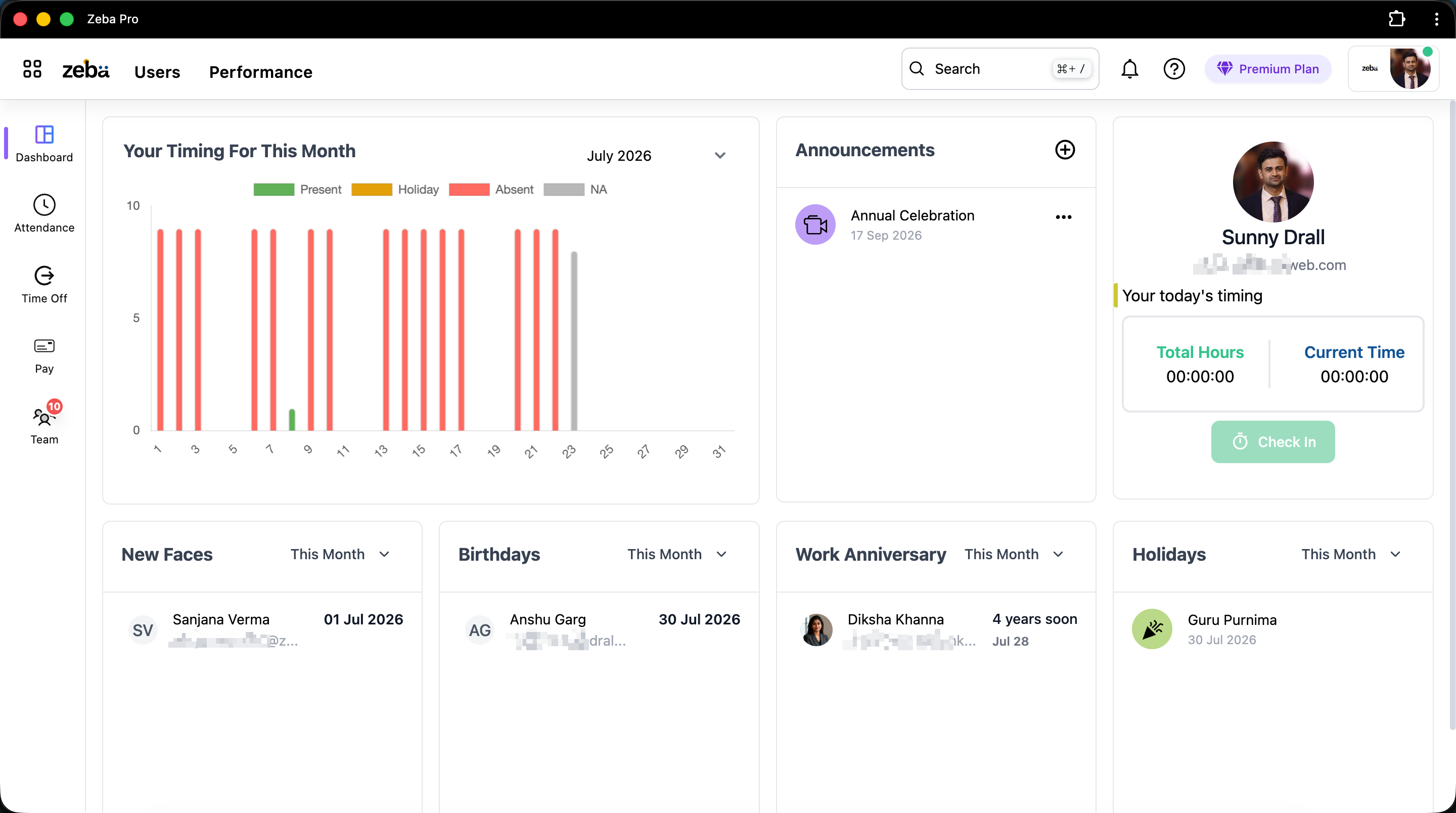
Attendance and time tracking is the process of monitoring when employees arrive at and leave work, as well as the time they spend on various tasks. This is crucial for payroll accuracy, compliance with labor laws, and overall business productivity.
In 2026, businesses face increasing pressure to optimize these processes due to the rise of remote work and flexible scheduling. Accurate tracking not only helps in payroll calculations but also contributes to a positive employee experience by fostering transparency and accountability.
The Importance of Accurate Attendance Tracking
Accurate attendance tracking is vital for several reasons:
- Payroll Accuracy: Ensures that employees are compensated correctly for their hours worked.
- Compliance: Helps businesses adhere to labor regulations regarding working hours and overtime.
- Productivity Insights: Provides data on employee attendance patterns, which can help identify productivity trends.
- Employee Morale: Fair tracking practices foster trust and respect in the workplace.
Challenges in Attendance Tracking
Despite its importance, attendance tracking can pose challenges, including:
- Inconsistent Reporting: Manual systems often lead to errors and discrepancies.
- Data Privacy Concerns: Employees may be hesitant about how their attendance data is utilized.
- Integration Issues: Difficulty in integrating attendance data with payroll systems can lead to inefficiencies.
Implementing Effective Time Tracking Solutions
To overcome these challenges, companies must implement effective time tracking solutions. Here are key strategies to consider:
1. Use Automated Time Tracking Tools
Automation is essential for minimizing errors and streamlining processes. Automated attendance systems can capture clock-in and clock-out times using various methods, such as:
- Biometric Systems: Fingerprint or facial recognition systems enhance security and prevent buddy punching.
- Mobile Apps: Allow remote employees to clock in and out from their smartphones.
- Web-Based Tools: Enable employees to log their hours from any device with internet access.
2. Implement Clear Attendance Policies
Establishing clear policies helps set expectations for both management and employees. Consider including:
- Attendance Rules: Define what constitutes acceptable attendance, including guidelines for tardiness and absences.
- Reporting Procedures: Outline how employees should report absences or lateness.
- Consequences: Specify the repercussions for violating attendance policies.
3. Foster a Culture of Accountability
Encouraging accountability among employees can significantly enhance attendance tracking efforts. Strategies include:
- Regular Check-Ins: Managers should conduct frequent one-on-one meetings to discuss attendance and productivity.
- Recognition Programs: Acknowledge employees with perfect attendance or improvements in their attendance patterns.
- Feedback Mechanisms: Allow employees to provide feedback on attendance policies and practices.
Real-World Examples of Successful Attendance Tracking
Many organizations have successfully implemented effective attendance and time tracking systems. Here are two examples:
Example 1: Tech Start-Up
A tech start-up adopted a cloud-based attendance management system that integrates with their payroll software. This solution allowed employees to clock in using their mobile devices, enhancing flexibility for remote workers. As a result, they saw a 30% reduction in payroll discrepancies within the first quarter of implementation.
Example 2: Manufacturing Company
A manufacturing company implemented biometric attendance tracking to eliminate buddy punching. With real-time attendance data synced to their HR management system, they improved compliance with labor laws and increased overall productivity by 15%.
Time Tracking vs. Attendance Tracking
While attendance and time tracking are often used interchangeably, they serve different purposes. Here is a comparison:
| Aspect | Attendance Tracking | Time Tracking |
|---|---|---|
| Purpose | Track presence at work | Monitor hours spent on tasks |
| Methods | Clock-in/clock-out systems | Task-based time logging |
| Benefits | Ensures payroll accuracy, compliance | Assists in project management and efficiency |
Best Practices for Time Tracking in 2026
As businesses evolve, so do best practices for time tracking. Here are key practices to adopt in 2026:
- Embrace Flexibility: Allow employees to choose their work hours and track time accordingly.
- Integrate with Payroll: Ensure your time tracking solution integrates seamlessly with payroll systems to reduce errors.
- Regular Training: Provide ongoing training to employees on how to use time tracking tools effectively.
- Analyze Data: Regularly analyze attendance and time tracking data to identify trends and areas for improvement.
Addressing Compliance in Attendance and Time Tracking
Compliance with labor laws is critical in attendance and time tracking. Here are steps to ensure compliance:
- Understand Legal Requirements: Stay informed about local labor laws regarding working hours, overtime, and breaks.
- Regular Audits: Conduct regular audits of attendance records and time tracking to identify compliance gaps.
- Documentation: Maintain detailed records of attendance and time tracking for potential audits.
Failure to comply with labor laws can lead to significant penalties and damage to your organization’s reputation.
Conclusion: Next Steps for Effective Attendance and Time Tracking
Implementing effective attendance and time tracking systems can significantly impact your organization’s efficiency and employee satisfaction. Here are specific actions you can take:
- Evaluate your current attendance and time tracking processes to identify areas for improvement.
- Research automated tools that best fit your organization’s needs, considering features like mobile access and integration capabilities.
- Engage with employees to gather feedback on existing policies and procedures, ensuring a collaborative approach to attendance management.
- Stay updated on compliance requirements to mitigate risks associated with labor law violations.
By prioritizing effective attendance and time tracking in 2026, you can enhance your HR operations, ensure payroll compliance, and improve the overall employee experience.
Related reading
- Mastering Attendance and Time Tracking in 2026: Essential Strategies
- Streamlining Payroll Automation for SMEs in 2026
- Leave and Holiday Management: Best Practices for 2026
- Navigating HR Compliance and Statutory Workflows in 2026
- Payroll Automation for SMEs: Boost Efficiency in 2026
- The All-in-One HRMS Solution Transforming Business Operations in 2026
- Understanding Professional Tax in 2026: A Comprehensive Guide


