


Payroll is often seen as a labyrinth of complexity for small to medium-sized enterprises (SMEs). However, with payroll automation, this doesn’t have to be the case. Let's explore how automating payroll can transform your business in 2026.
Why Payroll Automation Matters for SMEs
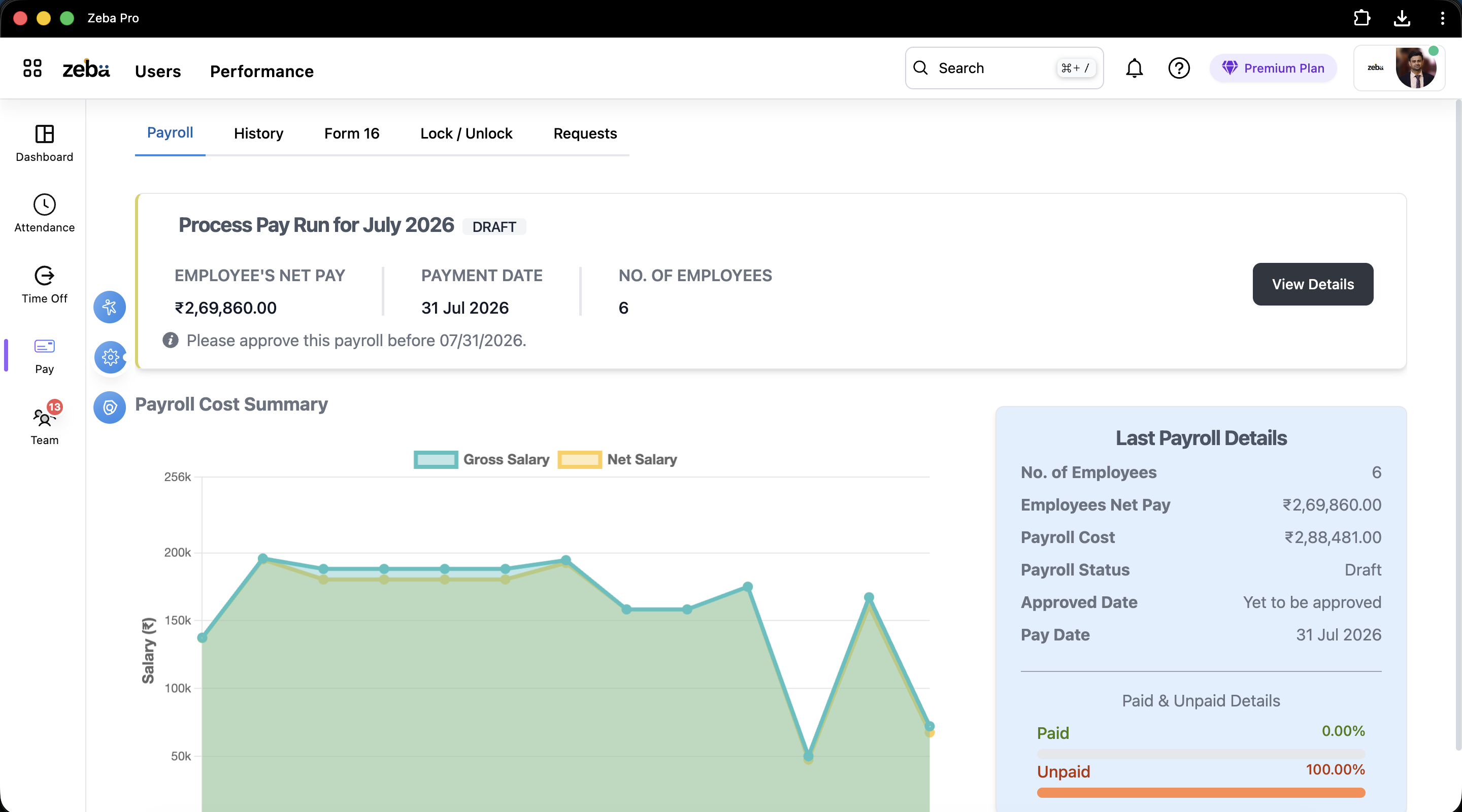
In today's fast-paced business environment, SMEs are constantly looking for ways to enhance efficiency and reduce costs. Payroll, often considered a back-office function, plays a crucial role in achieving these goals.
Here are a few compelling reasons why payroll automation is essential for SMEs:
- Time Savings: Automation significantly cuts down the time spent on payroll processing, allowing HR teams to focus on strategic initiatives.
- Accuracy: Automated systems reduce human errors associated with manual data entry, ensuring that employees are paid correctly and on time.
- Compliance: Staying compliant with tax laws and labor regulations can be daunting. Payroll automation ensures that your business adheres to legal requirements effortlessly.
- Employee Satisfaction: Timely and accurate payroll positively impacts employee morale and retention.
Common Payroll Challenges Faced by SMEs
Despite the benefits, many SMEs still grapple with various payroll challenges that can hinder their growth. Understanding these challenges is the first step towards overcoming them.
1. Manual Processes
Many SMEs still rely on spreadsheets or manual calculations, which are prone to errors and can be time-consuming.
2. Compliance Risks
With evolving regulations, SMEs often struggle to keep up with compliance requirements, leading to potential penalties.
3. Data Inconsistencies
Inconsistencies in employee data can lead to discrepancies in payroll, affecting trust and satisfaction.
4. High Processing Costs
Manual payroll processing can be costly due to the time and resources required, diverting funds from other critical areas of the business.
How Payroll Automation Works
Payroll automation integrates various payroll processes into one cohesive system, streamlining the workflow from employee onboarding to salary payouts. Here’s how it typically works:
- Data Entry: Employee data is entered into the system, either manually or imported through integration with HRIS platforms.
- Calculations: The system automatically calculates salaries, deductions, bonuses, and taxes based on set parameters.
- Approval Workflow: Payroll reports are generated for review and approval by management.
- Payouts: Once approved, payments are processed and disbursed to employees through various options such as direct deposits.
- Reporting: Automated reports are generated for compliance, financial forecasting, and auditing purposes.
Benefits of Payroll Automation for SMEs
Adopting payroll automation offers numerous advantages that can significantly impact your business's bottom line.
1. Enhanced Efficiency
Automating payroll processes leads to faster processing times and fewer delays, ensuring that employees receive their salaries promptly.
2. Improved Accuracy
By reducing the chances of errors in calculations and data entry, payroll automation ensures that employees are paid accurately, fostering trust and loyalty.
3. Cost-Effectiveness
While there is an initial investment in automation software, the long-term savings in time and resources can be substantial.
4. Streamlined Compliance
With built-in compliance checks, automation helps SMEs navigate the complexities of tax laws and labor regulations with ease.
5. Better Employee Experience
A smooth payroll process enhances the overall employee experience, leading to higher satisfaction and retention rates.
Choosing the Right Payroll Automation Tool
With many payroll automation solutions available, selecting the right tool for your SME can be daunting. Here are key features to consider:
- User-Friendly Interface: The software should be intuitive and easy to navigate for all users.
- Integration Capabilities: Ensure that the tool can integrate with your existing HR systems for seamless data flow.
- Customizable Features: Look for a solution that allows customization to meet your unique business requirements.
- Compliance Features: Choose software that automatically updates to reflect changes in tax laws and labor regulations.
- Customer Support: Reliable customer support is crucial for resolving any issues that may arise.
Real-World Examples of Successful Payroll Automation
Many SMEs have successfully implemented payroll automation, leading to remarkable improvements in their operations. Here are a couple of examples:
Case Study: TechStart Solutions
TechStart Solutions, a small tech firm, struggled with payroll processing due to manual errors and compliance issues. After implementing an automated payroll system, they reduced payroll processing time by 50% and eliminated compliance penalties. Employee satisfaction scores also improved significantly.
Case Study: GreenThumb Landscaping
GreenThumb Landscaping faced challenges with seasonal workers and varied pay rates. They adopted an automated system that integrated time-tracking features, allowing them to manage employee hours efficiently. As a result, they saved 30% in payroll processing costs and improved their overall productivity.
Potential Pitfalls of Payroll Automation
While there are numerous benefits to payroll automation, it is essential to be aware of potential pitfalls:
- Initial Costs: The upfront investment can be a barrier for some SMEs.
- Change Management: Transitioning to an automated system requires training and adjustment from employees.
- Over-Reliance: Relying solely on automation without regular oversight can lead to complacency.
Implementing Payroll Automation in Your SME
Ready to take the plunge into payroll automation? Here’s a practical guide to help you get started:
- Assess Your Needs: Identify the specific payroll challenges your business faces and what you hope to achieve through automation.
- Research Solutions: Explore various payroll automation tools and compare their features, pricing, and user reviews.
- Engage Your Team: Involve key stakeholders, including HR and finance teams, in the decision-making process.
- Plan Your Transition: Create a step-by-step plan for transitioning to the new system, including training sessions for your staff.
- Monitor and Adjust: After implementation, continuously monitor the system’s performance and make adjustments as needed.
Conclusion: Embrace the Future of Payroll
In 2026, payroll automation is not just a luxury; it is a necessity for SMEs looking to thrive in a competitive landscape. By embracing payroll automation, you can enhance efficiency, accuracy, and compliance while improving the overall employee experience.
Now is the time to evaluate your payroll processes and consider how automation can benefit your organization. Take the first step today and watch your business transform.
Related reading
- Streamlining Payroll Automation for SMEs in 2026
- Mastering Attendance and Time Tracking in 2026: Essential Strategies
- The All-in-One HRMS Solution Transforming Business Operations in 2026
- Understanding Professional Tax in 2026: A Comprehensive Guide
- Leave and Holiday Management: Best Practices for 2026
- Navigating HR Compliance and Statutory Workflows in 2026


