


In the fast-paced world of HR management, tracking attendance and time effectively is crucial for business success. Understanding the right metrics can help you optimize your workforce management.
The Importance of Attendance and Time Tracking
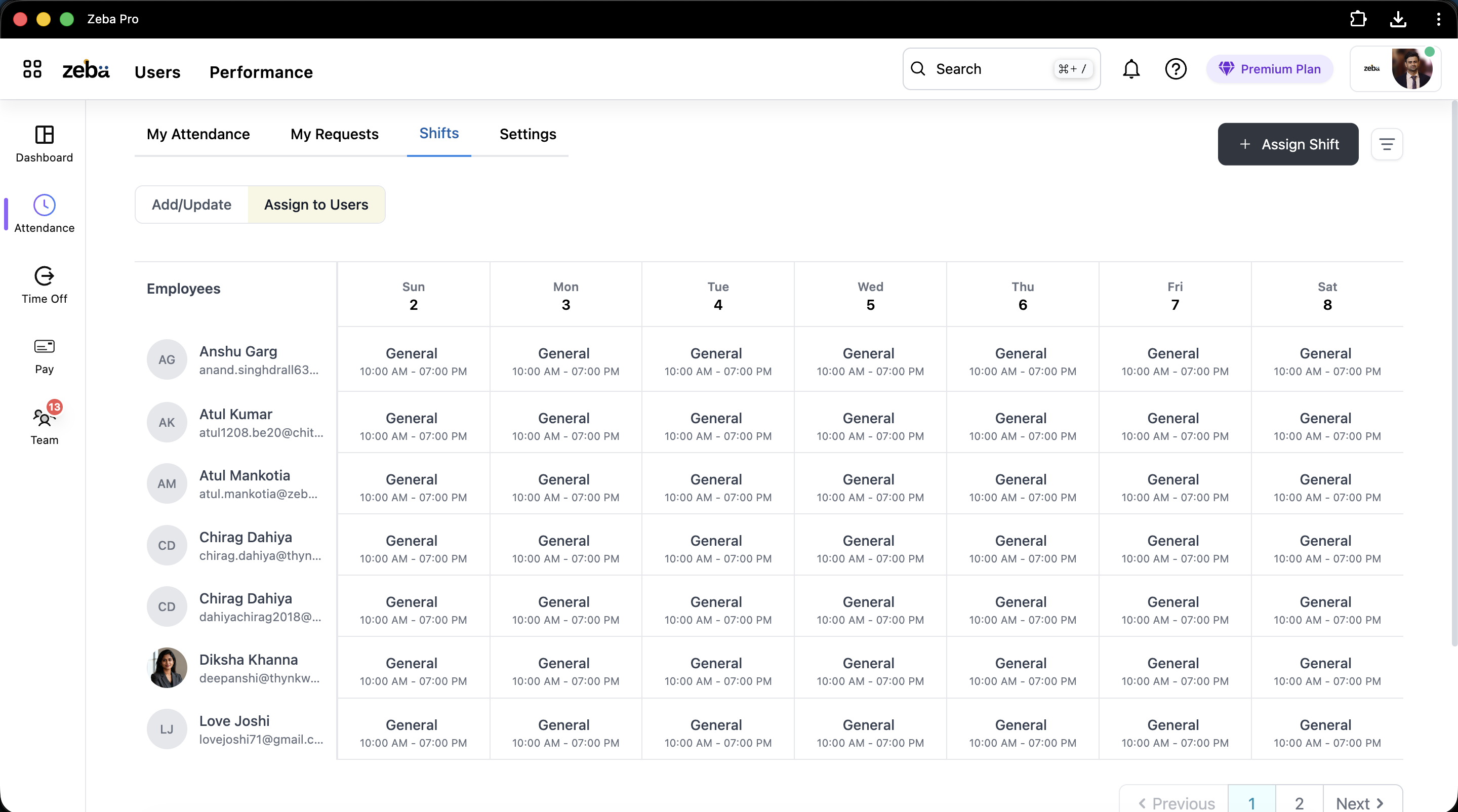
As we advance into 2026, the ability to accurately track employee attendance and working hours has become more critical than ever. With remote work and flexible schedules reshaping the workplace, businesses must adopt robust attendance tracking systems to maintain productivity and compliance.
Attendance and time tracking not only improve payroll accuracy but also foster a culture of accountability among employees. By analyzing attendance data, HR professionals can identify trends, manage resources better, and enhance employee experience.
5 Essential HR Metrics to Track
To effectively manage attendance and time, here are five key HR metrics you should focus on:
- Attendance Rate
- Absenteeism Rate
- Punctuality Rate
- Overtime Hours
- Utilization Rate
This metric reflects the percentage of scheduled workdays an employee is present. A high attendance rate indicates engaged employees, while a low rate may signal issues that need to be addressed.
Measuring the absenteeism rate helps you understand how often employees are missing work. High absenteeism can lead to decreased productivity and increased costs, making it vital to monitor this metric closely.
This metric tracks how often employees arrive on time. Late arrivals can disrupt workflows and impact team morale, so understanding punctuality trends is essential for effective time management.
Tracking overtime hours helps you assess whether employees are consistently working beyond their scheduled hours. Excessive overtime can indicate staffing shortages or inefficiencies, requiring strategic adjustments.
The utilization rate measures the percentage of time employees spend on productive tasks versus their total available time. This metric helps gauge whether your workforce is effectively utilized and can guide resource allocation.
Implementing Attendance and Time Tracking Tools
To effectively monitor these metrics, integrating an attendance and time tracking solution is essential. Solutions like Zeba Pro provide real-time visibility into working hours, late marks, and shift adherence, streamlining your HR operations.
Technology’s Role in Attendance Tracking
In 2026, leveraging technology in attendance tracking is no longer optional; it's a necessity. Automated systems reduce manual input errors and provide accurate data analytics. Here are several technology solutions to consider:
- Biometric Systems: Fingerprint or facial recognition systems enhance security and accuracy in attendance tracking.
- Mobile Apps: Allow employees to clock in and out from their devices, making tracking easier for remote or field employees.
- Cloud-Based Solutions: Ensure data is accessible from anywhere, facilitating better management and reporting.
Real-World Examples of Attendance Metrics in Action
To illustrate the importance of these metrics, consider a mid-sized tech company that implemented a new attendance tracking system. By focusing on the aforementioned metrics, they discovered:
- A 20% reduction in absenteeism after introducing flexible work hours.
- Improved punctuality rates, leading to a 15% increase in overall team productivity.
- Effective management of overtime, resulting in a 25% decrease in labor costs.
Creating a Culture of Accountability
Tracking attendance metrics goes beyond numbers; it’s about creating a culture where employees feel responsible for their time management. Here are practical steps to foster this culture:
- Set Clear Expectations: Communicate attendance policies and expectations clearly to all employees.
- Provide Feedback: Regularly review attendance data with employees, highlighting their performance and areas for improvement.
- Recognize Good Attendance: Implement recognition programs for employees with exemplary attendance records to motivate others.
Conclusion: Next Steps for HR Professionals
In 2026, effectively tracking attendance and time is crucial for optimizing HR operations. By focusing on these five key metrics, you can drive productivity and ensure compliance while enhancing the overall employee experience.
Start by assessing your current attendance tracking systems. Are they providing the insights you need? If not, consider transitioning to a more robust solution like Zeba Pro to leverage technology for better results.
Incorporate these metrics into your regular HR practices, and you’ll not only improve attendance management but also foster a more engaged and productive workforce.
For further insights, read our article on 90% of Growing Teams Still Struggle with Attendance Tracking, or explore how to track employee attendance and time in under 15 minutes.
Related reading
- Mastering Attendance and Time Tracking in 2026: Key Strategies
- 13 HR Metrics You Should Track for Attendance and Time Management
- 5 HR Metrics You Should Track for Attendance and Time Management
- 90% of Growing Teams Still Struggle with Attendance Tracking
- Track Employee Attendance and Time in Under 15 Minutes
- Track Your Field Employees Live in Under 15 Minutes
- 50 Employee Live Location Tracking Tips for Effective Management
- 90% of Businesses Risk Inefficiencies Without Live Employee Tracking
- How We Improved Workforce Efficiency by 50% with Live Location Tracking
- Manage Leave and Holidays in Just 7 Minutes with Zeba Pro


