


In 2026, nearly 90% of businesses are at risk of facing inefficiencies due to a lack of real-time employee location tracking. As remote work and field operations become increasingly common, understanding where your team is and how they're performing is essential for making informed decisions.
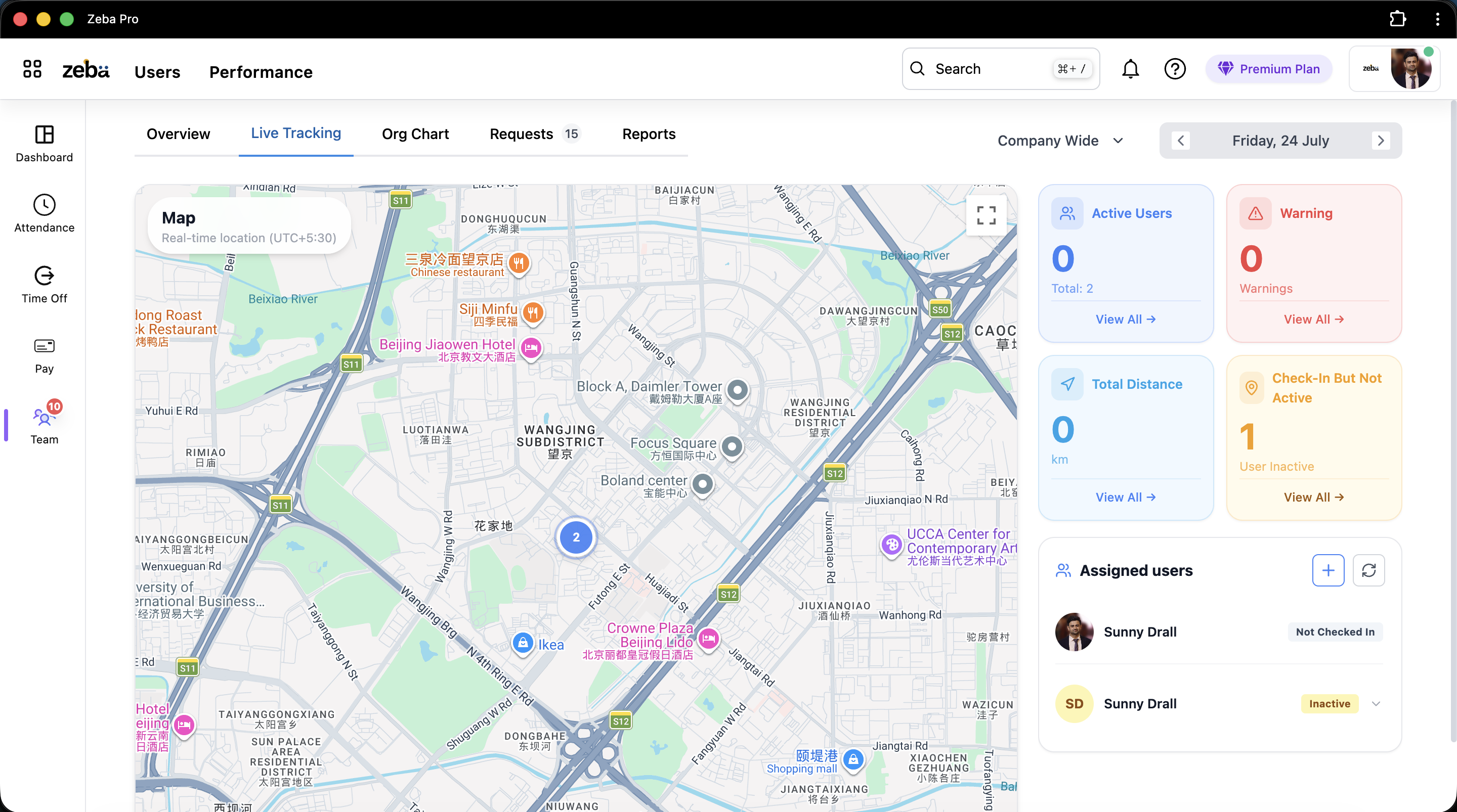
The Importance of Employee Live Location Tracking
Employee live location tracking enables businesses to monitor their workforce in real-time, leading to better decision-making and improved operations. This feature is particularly beneficial for organizations with field employees who are frequently on the move. By adopting a live tracking system, businesses can gain valuable insights into employee productivity, manage resources more effectively, and enhance overall efficiency.
Understanding the Risks of Not Tracking Employee Locations
Failing to implement live location tracking can expose businesses to several risks:
- Reduced Accountability: Without tracking, it can be challenging to hold employees accountable for their work hours and productivity.
- Inefficient Resource Allocation: Businesses might struggle to allocate resources effectively if they lack visibility into employee locations.
- Delayed Response Times: In cases of emergencies, knowing employee locations can facilitate quicker decision-making and response.
- Increased Operational Costs: Inefficiencies in managing field employees can lead to higher operational costs.
Benefits of Live Employee Location Tracking
Implementing a live tracking system can offer numerous advantages:
- Enhanced Productivity: Knowing where employees are can help managers assign tasks more effectively, leading to improved productivity.
- Real-Time Insights: Businesses can gain real-time insights into employee movements and performance, allowing for prompt adjustments as needed.
- Improved Employee Experience: Employees can feel more connected and supported when their movements are monitored, leading to increased job satisfaction.
- Streamlined Communication: Live tracking fosters better communication between managers and field employees, reducing misunderstandings.
How Live Tracking Works
Live employee tracking typically involves GPS technology integrated into mobile applications or devices. Here’s how it works:
- GPS Integration: Employees use devices equipped with GPS technology, such as smartphones or specialized tracking devices.
- Data Transmission: Location data is sent to a central system, allowing managers to view employee movements in real-time.
- Dashboard Monitoring: Managers can access a user-friendly dashboard to monitor locations, track performance, and make data-driven decisions.
Choosing the Right Live Tracking Solution
When selecting a live location tracking solution, consider the following factors:
- Ease of Use: The platform should be user-friendly for both management and employees.
- Integration Capabilities: Ensure the solution integrates seamlessly with your existing HR and payroll systems.
- Customization Options: Look for a solution that can be tailored to fit your unique business needs.
- Data Security: Choose a system that prioritizes data privacy and security to protect employee information.
Real-World Examples of Live Employee Location Tracking
Many organizations have successfully implemented live employee location tracking to enhance their operations. Here are a couple of examples:
Example 1: Delivery Services
A delivery company utilized live location tracking to optimize routes for its delivery personnel. By monitoring their locations in real-time, the company could direct drivers to the nearest delivery points, reducing fuel costs and improving delivery times. As a result, they reported a 30% increase in overall efficiency.
Example 2: Field Sales Teams
A field sales organization adopted live tracking to gain insight into their sales representatives' movements. This allowed managers to identify which areas had high engagement and where additional training might be necessary. They noted a 25% increase in sales productivity within six months of implementation.
Key Considerations for Implementing Live Tracking
As you consider adopting a live employee location tracking system, it’s essential to keep in mind the following:
- Employee Consent: Always ensure that employees are aware of and consent to being tracked. Transparency is key to maintaining trust.
- Compliance with Regulations: Be aware of any legal requirements surrounding employee monitoring in your jurisdiction.
- Clear Policies: Establish clear policies regarding the use of tracking data to prevent misuse and protect privacy.
Best Practices for Live Employee Location Tracking
To make the most of your live tracking system, consider these best practices:
- Regularly Review Data: Utilize tracking data to conduct regular performance reviews and optimize workflows.
- Provide Feedback: Use insights gained from tracking to give employees constructive feedback and recognize their achievements.
- Adjust Strategies: Be flexible in your approach and adjust tracking strategies based on feedback and performance data.
Conclusion: Taking the Next Steps
In 2026, embracing live employee location tracking is not just a trend but a necessity for businesses aiming to enhance operational efficiency. By monitoring your workforce in real-time, you can make informed decisions that lead to increased productivity and better resource management.
As you consider implementing a live tracking system, remember to prioritize transparency and compliance to maintain employee trust. Explore solutions that align with your business needs, and don’t hesitate to adapt your strategies based on the insights you gain.
For more tips on effective management, check out our article on 50 Employee Live Location Tracking Tips for Effective Management.
Related reading
- 50 Employee Live Location Tracking Tips for Effective Management
- Mastering Attendance and Time Tracking in 2026: Essential Strategies
- Mastering Attendance and Time Tracking in 2026: Key Strategies
- 11 HR Metrics You Should Track for Effective Payroll Management
- Leave and Holiday Management: A Comprehensive Guide for 2026
- Leave and Holiday Management: Best Practices for 2026
- Navigating HR Compliance and Statutory Workflows in 2026
- The All-in-One HRMS Solution You Need in 2026
- Top 13 Payroll Automation Benefits for SMEs in 2026
- 11 Hidden Payroll Costs of Leave and Holiday Management


