


Leave and holiday management is crucial for employee satisfaction and compliance, but it can also hide unexpected costs that impact your payroll budget.
Understanding the Hidden Costs of Leave Management
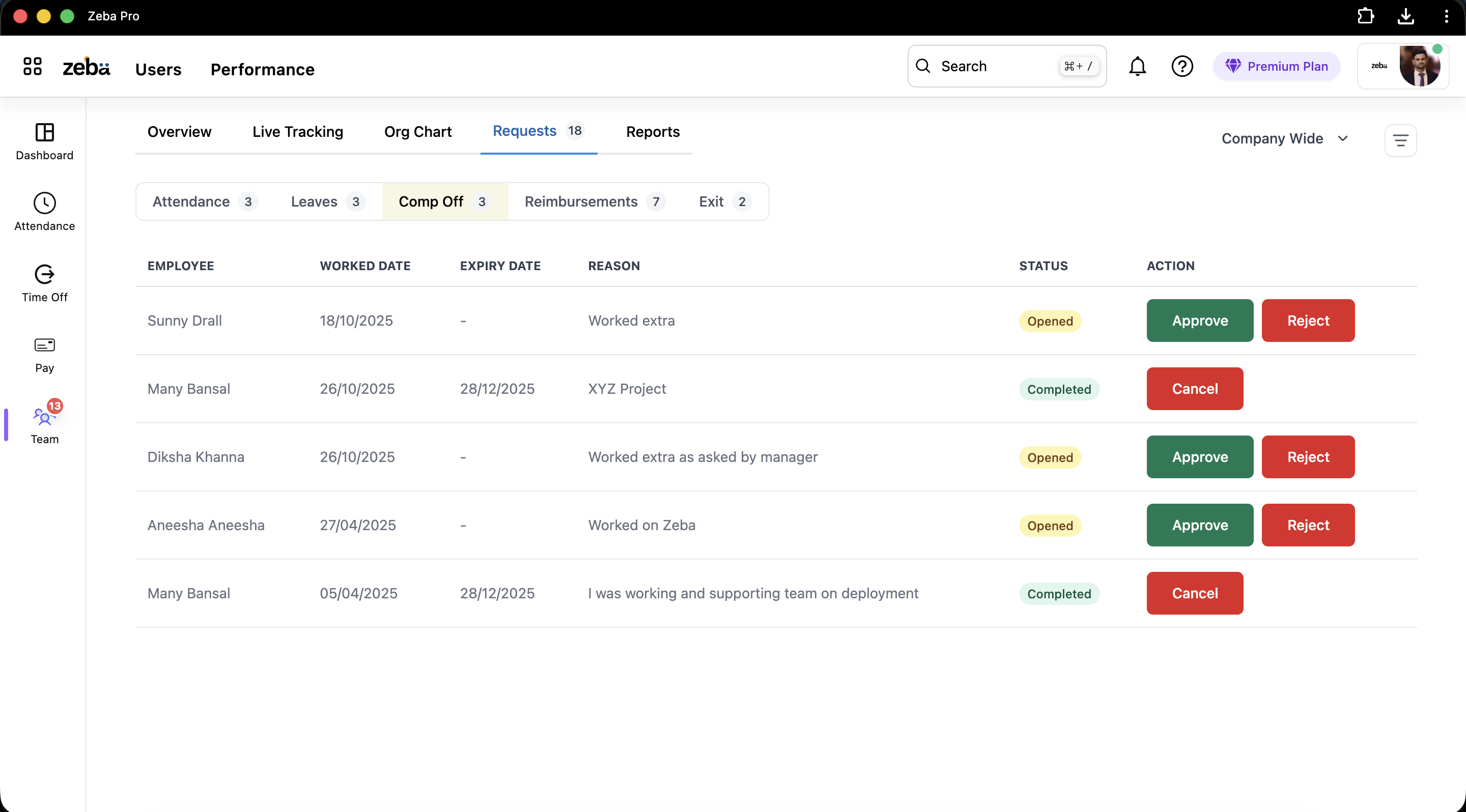 Managing employee leave can seem straightforward, yet there are numerous hidden costs that can accumulate and affect the financial health of your organization. In 2026, businesses must be more vigilant than ever about understanding these costs to maintain a healthy bottom line. Here are 11 hidden payroll costs you should be aware of:
 1. Overlapping Leave Requests
When multiple employees request leave simultaneously, businesses may struggle to maintain productivity. This overlap can lead to:- Increased overtime pay for other employees stepping in.
- Potential loss of revenue due to decreased workforce efficiency.
2. Administrative Burden
The administration of leave requests can consume significant time and resources, often leading to hidden costs that aren’t immediately apparent.- Manual tracking of leave balances increases the risk of errors.
- Time spent resolving disputes over leave entitlements can divert HR's focus from strategic tasks.
3. Compliance Issues
Navigating statutory leave regulations can be tricky. Non-compliance can result in hefty fines. Consider these potential costs:- Legal fees associated with disputes.
- Fines imposed by regulatory bodies for non-compliance.
4. Lost Productivity
When employees are on leave, productivity can drop, particularly if their workload is not redistributed effectively.- Projects may stall, resulting in lost business opportunities.
- Remaining staff may become overwhelmed, leading to burnout or absenteeism.
5. Temporary Staff Costs
Hiring temporary staff to cover for employees on leave can be a hidden cost. While sometimes necessary, it contributes to your payroll expenses significantly:- Higher hourly rates for temporary staff compared to regular employees.
- Training costs associated with onboarding temporary staff.
6. Unused Leave Accrual
Employees often accrue leave that goes unused, which can lead to financial liabilities when they eventually cash it out. This creates potential cash flow issues for your business.- Accrued leave pay-outs can be significant at the end of employment.
- Unused leave may lead to higher operational costs if not managed properly.
7. Impact on Employee Morale
The way leave is managed can have a profound impact on employee morale. Poor leave management can lead to:- Increased turnover rates, resulting in recruitment and training costs.
- Lower productivity from disengaged employees.
8. Lack of Visibility
Without clear visibility into leave management, companies can face several challenges.- Difficulty in forecasting staffing needs.
- Inaccurate reporting may lead to budgeting errors.
9. Legal Risks
Mismanagement of leave can expose businesses to legal challenges.- Inequitable leave distribution can lead to discrimination claims.
- Failure to accommodate leave requests can result in lawsuits.
10. Increased Absenteeism
If employees feel they cannot take leave when needed, they may resort to unauthorized absenteeism. This can be costly due to:- Disruption in team dynamics and productivity.
- Increased strain on other employees who must cover for absent colleagues.
11. Technology Costs
Investing in technology for leave management comes with its own set of costs, such as:- Software licensing fees for leave management systems.
- Ongoing maintenance and support costs.
Strategies to Mitigate Hidden Payroll Costs
To effectively manage the hidden costs associated with leave and holiday management, consider the following strategies:- Implement an Automated System: Automate leave requests and approvals using HR software to reduce administrative burdens.
- Establish Clear Policies: Create transparent leave policies that are communicated to all employees.
- Regular Training: Train HR staff and management on compliance and best practices in leave management.
- Analyze Data: Use analytics to track leave patterns and identify potential issues before they escalate.
- Encourage Open Communication: Foster an environment where employees feel comfortable discussing their leave needs.
Conclusion
Managing leave and holiday effectively is essential for maintaining employee satisfaction and compliance. By understanding the hidden payroll costs associated with leave management, HR professionals can implement strategies that not only save money but also boost employee morale and productivity. As you move forward, consider taking actionable steps such as investing in an automated leave management system and establishing clear leave policies. These efforts will not only mitigate hidden costs but also enhance the overall employee experience in your organization. For further insights on leave and holiday management, check out our comprehensive guide for 2026 at Zeba Pro.Related reading
- Leave and Holiday Management: A Comprehensive Guide for 2026
- Leave and Holiday Management: Best Practices for 2026
- 5 HR Metrics You Should Track for Attendance and Time Management
- 50 Employee Live Location Tracking Tips for Effective Management
- Mastering Attendance and Time Tracking in 2026: Essential Strategies
- Mastering Attendance and Time Tracking in 2026: Key Strategies
- Navigating HR Compliance and Statutory Workflows in 2026
- Payroll Automation for SMEs: A Game Changer in 2026
- Payroll Automation for SMEs: Boost Efficiency in 2026
- Streamlining Payroll Automation for SMEs in 2026


