


In a rapidly evolving workplace, understanding where your employees are at any given time is crucial for effective management. Employee live location tracking can enhance productivity, streamline operations, and support decision-making.
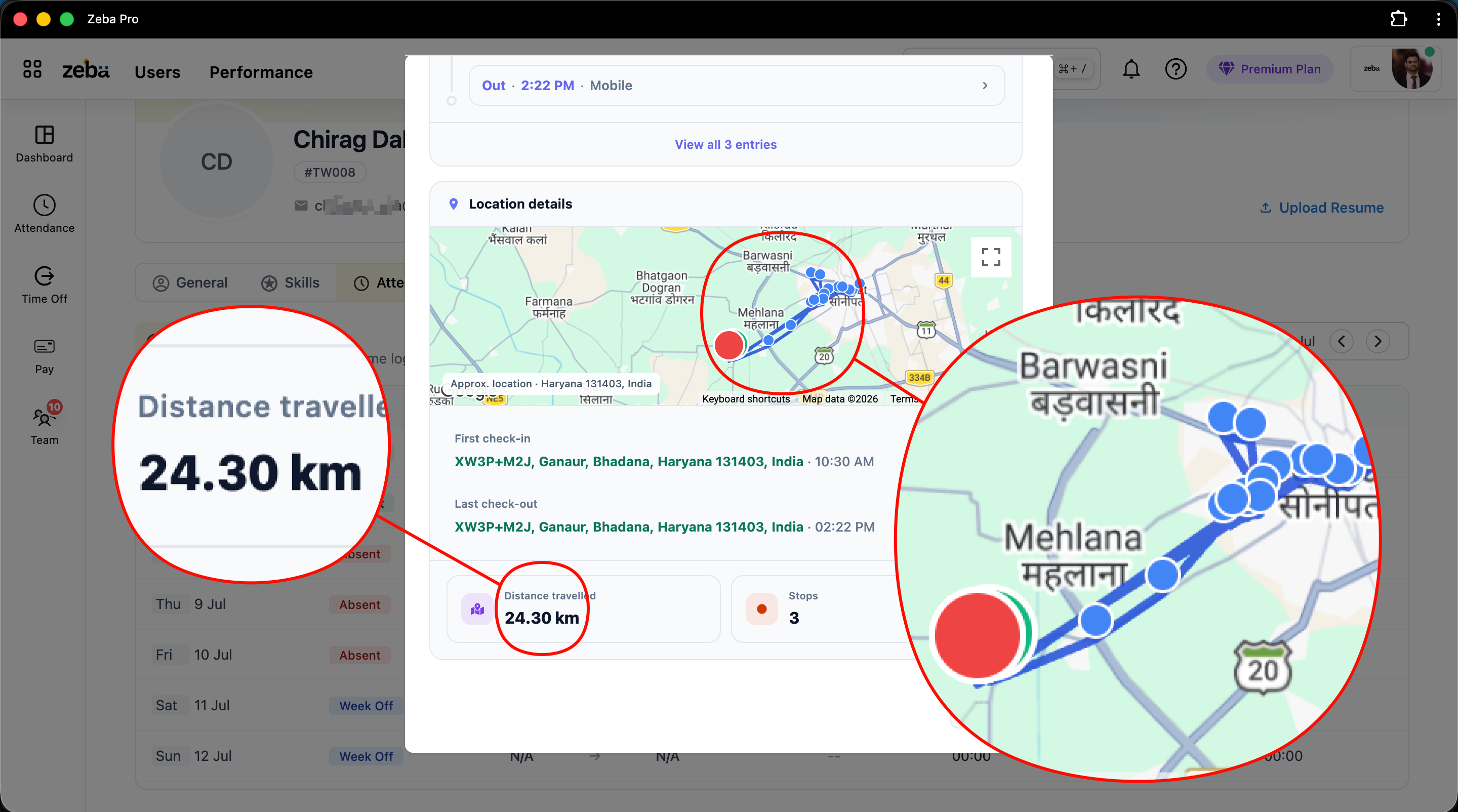
Understanding Employee Live Location Tracking
Employee live location tracking refers to monitoring the real-time geographical position of employees, particularly those working in the field or remote locations. This capability is particularly beneficial for businesses with mobile teams, such as delivery services, field sales, and service technicians. By utilizing location tracking, employers can ensure safety, optimize resources, and enhance operational efficiency.The Importance of Employee Tracking
Implementing employee live location tracking can offer numerous benefits:- Enhanced productivity: Knowing where employees are can help managers allocate tasks more effectively.
- Improved safety: Tracking can enhance employee safety, especially in hazardous environments.
- Efficient resource management: Optimize routes and schedules based on real-time data.
- Accountability: Ensure employees are where they are supposed to be during work hours.
50 Tips for Effective Employee Live Location Tracking
1. **Choose the Right Technology** Select a reliable tracking solution that integrates seamlessly with your existing HR and payroll systems. 2. **Communicate Clearly** Inform employees about the tracking system and its purpose to alleviate concerns about privacy. 3. **Train Your Team** Provide training on how to use the tracking system effectively. 4. **Set Clear Policies** Establish clear guidelines on when and how tracking data will be used. 5. **Use Geofencing** Implement geofencing to receive alerts when employees enter or exit designated areas. 6. **Monitor Consistently** Regularly review tracking data to identify patterns and areas for improvement. 7. **Integrate with Scheduling Tools** Combine location tracking with scheduling tools for optimized route planning. 8. **Prioritize Data Security** Ensure that the tracking system adheres to data protection regulations to safeguard employee information. 9. **Encourage Feedback** Create a channel for employees to provide feedback on the tracking system. 10. **Utilize Analytics** Leverage analytics from tracking data to make informed decisions about resource allocation. 11. **Be Transparent** Share how tracking data will be used to build trust with your employees. 12. **Highlight Benefits** Emphasize how tracking can improve overall workplace efficiency and safety. 13. **Customize Alerts** Set up customizable alerts for specific events, such as employees straying from their designated routes. 14. **Maintain Compliance** Stay updated on local laws regarding employee tracking to ensure compliance. 15. **Support Remote Workers** Use tracking for remote employees to provide support and enhance their experience. 16. **Analyze Performance** Regularly analyze performance metrics related to tracking to identify areas for improvement. 17. **Review Regularly** Set up regular reviews of tracking policies and practices. 18. **Utilize Location Data for Payroll** Integrate location tracking with payroll systems to accurately capture hours worked. 19. **Promote Team Collaboration** Encourage teams to collaborate based on real-time location data for improved efficiency. 20. **Use Location Data for Client Interactions** Leverage tracking data to optimize client visits and improve customer service. 21. **Incorporate with Incident Reporting** Use tracking data to enhance incident reporting and response procedures. 22. **Set Up Regular Updates** Implement a system for regular updates to stakeholders regarding tracking data insights. 23. **Create a Culture of Accountability** Foster a culture where employees take ownership of their tracking data. 24. **Utilize Historical Data** Analyze past tracking data to improve future planning and decision-making. 25. **Integrate with Emergency Protocols** Ensure that location tracking is part of your emergency response strategies. 26. **Avoid Over-Tracking** Be mindful not to infringe on personal time or privacy by overusing tracking data. 27. **Use for Training Opportunities** Identify training opportunities based on tracking data insights. 28. **Keep Technology Updated** Regularly update your tracking technology to ensure optimal performance. 29. **Implement User-Friendly Interfaces** Ensure the tracking system is user-friendly to encourage adoption among employees. 30. **Encourage Responsible Use** Promote responsible use of tracking data and discourage misuse. 31. **Be Open to Adjustments** Be willing to adjust tracking policies based on employee feedback. 32. **Foster Team Bonding** Use location data to organize team-building activities based on proximity. 33. **Reward Performance** Implement a rewards system based on productivity insights derived from tracking data. 34. **Create Visual Dashboards** Use dashboards to visualize tracking data for easier analysis and reporting. 35. **Engage Employees in Policy Creation** Involve employees in creating tracking policies to increase buy-in. 36. **Address Concerns Promptly** Address any concerns or issues raised by employees regarding tracking. 37. **Use Tracking for Time Management** Encourage employees to manage their time effectively using location insights. 38. **Leverage Check-In Features** Utilize check-in features to ensure employees are safe and accounted for. 39. **Focus on Team Performance** Track team performance rather than just individual metrics to foster collaboration. 40. **Implement Trial Periods** Before fully implementing tracking, consider a trial period to gather feedback. 41. **Conduct Training Sessions** Regularly conduct training sessions to keep employees updated on tracking best practices. 42. **Document Everything** Keep thorough documentation of tracking policies and employee feedback. 43. **Utilize Mobile Applications** Consider mobile applications for tracking to enable flexibility for employees. 44. **Set Realistic Expectations** Set realistic expectations for what tracking can achieve. 45. **Benchmark Against Industry Standards** Compare your tracking practices against industry standards to identify improvement areas. 46. **Foster Trust** Build trust with employees by being transparent about how tracking data is used. 47. **Use Data for Continuous Improvement** Leverage tracking data for continuous improvement in processes and operations. 48. **Regularly Communicate Benefits** Regularly remind employees of the benefits of tracking to maintain engagement. 49. **Create a Supportive Environment** Encourage a supportive environment where employees feel comfortable discussing tracking. 50. **Evaluate the Impact** Regularly evaluate the impact of tracking on productivity and employee satisfaction.Conclusion: Taking Action with Employee Live Location Tracking
Implementing employee live location tracking in your organization can significantly enhance productivity and operational efficiency. By following these 50 tips, you can create a supportive environment that maximizes the benefits of tracking while respecting employee privacy. Start by selecting the right technology that aligns with your business needs, and communicate the purpose of tracking to your team. Regularly review and refine your tracking policies based on feedback and data insights. With a thoughtful approach, you can leverage location tracking to foster accountability, improve resource management, and enhance overall employee experience in 2026 and beyond.Related reading
- Mastering Attendance and Time Tracking in 2026: Essential Strategies
- Mastering Attendance and Time Tracking in 2026: Key Strategies
- Leave and Holiday Management: A Comprehensive Guide for 2026
- Leave and Holiday Management: Best Practices for 2026
- Navigating HR Compliance and Statutory Workflows in 2026
- The All-in-One HRMS Solution You Need in 2026
- Payroll Automation for SMEs: A Game Changer in 2026
- Payroll Automation for SMEs: Boost Efficiency in 2026
- Streamlining Payroll Automation for SMEs in 2026
- The All-in-One HRMS Solution Transforming Business Operations in 2026


