


In today’s fast-paced business environment, managing HR operations can feel like juggling flaming torches while riding a unicycle. If you’re feeling overwhelmed, an all-in-one HRMS solution might just be the balance you need.
Understanding the All-in-One HRMS Solution
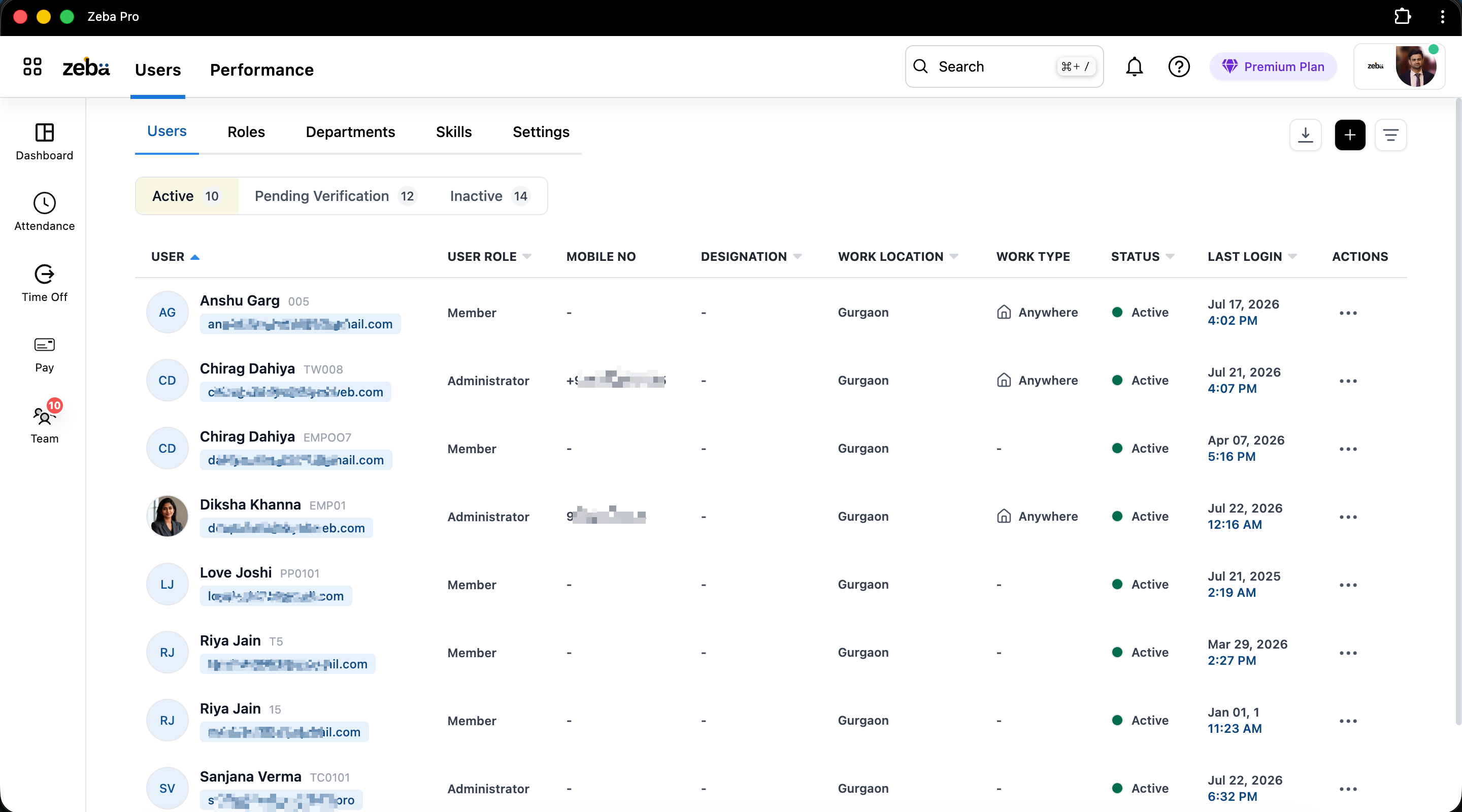
An all-in-one Human Resource Management System (HRMS) integrates various HR tasks into a single platform. This means everything from hiring to payroll, attendance tracking, and compliance can be managed in one place. But why is this so important for growing businesses in 2026?
Why Choose an All-in-One Solution?
The complexity of managing human resources has never been more pronounced. As businesses grow, so do their HR needs. Here are a few reasons why an all-in-one HRMS is essential:
- Streamlined Processes: With everything under one roof, you avoid the chaos of juggling multiple systems.
- Improved Data Accuracy: Centralized data reduces errors and discrepancies.
- Enhanced Compliance: Keep up with changing regulations effortlessly.
- Better Employee Experience: A seamless experience leads to happier employees.
- Cost Efficiency: Reducing the number of platforms can save your business money.
Key Features of an All-in-One HRMS
Not all HRMS solutions are created equal. Here are some essential features you should look for:
1. Recruitment and Onboarding
A robust HRMS should simplify the hiring process. This includes:
- Job posting to multiple platforms
- Applicant tracking systems (ATS) to manage candidates
- Onboarding modules to streamline new hire training
2. Payroll Management
Payroll is often seen as the most daunting HR function. An effective HRMS can automate payroll calculations, tax deductions, and compliance checks. This can save countless hours every month. For more information, check out our article on Payroll Automation for SMEs: Boost Efficiency in 2026.
3. Attendance and Time Tracking
Managing employee time and attendance can be a headache. A good HRMS will offer:
- Time tracking features
- Leave management systems
- Real-time attendance updates
To learn more about effective time tracking, explore our guide on Mastering Attendance and Time Tracking in 2026: Key Strategies.
4. Employee Self-Service
Empowering employees to manage their own information is crucial. An all-in-one HRMS should allow employees to:
- Update personal information
- View payslips and tax information
- Request leave and manage their schedules
5. Compliance and Reporting
Keeping track of compliance can be a full-time job. Your HRMS should automatically update according to local and federal regulations, ensuring your business remains compliant. For a deeper dive into compliance, check our article on Navigating HR Compliance and Statutory Workflows in 2026.
Real-World Scenarios
Let’s look at how an all-in-one HRMS can transform your business operations through a couple of real-world scenarios.
Scenario 1: A Growing Tech Startup
Imagine a tech startup that has grown from 10 to 100 employees in just a year. Managing payroll, hiring, and compliance through disparate systems has become unmanageable. By implementing an all-in-one HRMS, they can:
- Streamline hiring with automated workflows.
- Ensure timely and accurate payroll, reducing employee dissatisfaction.
- Centralize compliance checks, thus minimizing legal risks.
Scenario 2: A Retail Chain
A retail chain with multiple locations struggles with employee attendance tracking. Here’s how an HRMS helps:
- Automated attendance tracking reduces the manual effort needed.
- Real-time data enables better scheduling and staffing decisions.
- Employee self-service allows staff to manage their own schedules.
Comparison: Traditional Systems vs. All-in-One HRMS
To better understand the advantages of an all-in-one HRMS, take a look at this comparison:
| Feature | Traditional Systems | All-in-One HRMS |
|---|---|---|
| Data Management | Fragmented across different systems | Centralized database for easy access |
| Compliance Updates | Manual tracking required | Automatic updates to regulations |
| Employee Engagement | Limited self-service options | Full employee self-service portal |
| Cost Efficiency | Higher costs due to multiple subscriptions | Reduced overall costs with a single platform |
Practical Takeaways
Implementing an all-in-one HRMS can seem daunting, but the benefits far outweigh the challenges. Here are some practical steps you can take:
- Assess Your Current Systems: Identify what is working and what isn’t.
- Set Clear Objectives: Determine what you hope to achieve by switching to an all-in-one solution.
- Research Options: Look for HRMS solutions that fit your business needs.
- Plan the Transition: Develop a plan to migrate your data and train your team.
- Monitor and Adjust: After implementation, keep an eye on performance and be ready to make adjustments.
What’s Next?
As 2026 unfolds, the importance of an effective HRMS continues to grow. If you haven’t already, consider the potential of an all-in-one solution to streamline your HR processes. Start by evaluating your current systems, and don’t hesitate to consult with your team to identify pain points. With the right tools in place, you can transform your HR operations and create a more efficient, compliant, and employee-friendly workplace.
For further insights, explore our comprehensive resource on The All-in-One HRMS Solution Transforming Business Operations in 2026.
Related reading
- The All-in-One HRMS Solution Transforming Business Operations in 2026
- Leave and Holiday Management: Best Practices for 2026
- Mastering Attendance and Time Tracking in 2026: Essential Strategies
- Mastering Attendance and Time Tracking in 2026: Key Strategies
- Navigating HR Compliance and Statutory Workflows in 2026
- Payroll Automation for SMEs: Boost Efficiency in 2026
- Streamlining Payroll Automation for SMEs in 2026
- Understanding Professional Tax in 2026: A Comprehensive Guide


