


Are you still manually calculating payroll? If so, you’re not alone, but it’s time to consider a change. Payroll automation can revolutionize your SME's efficiency and accuracy.
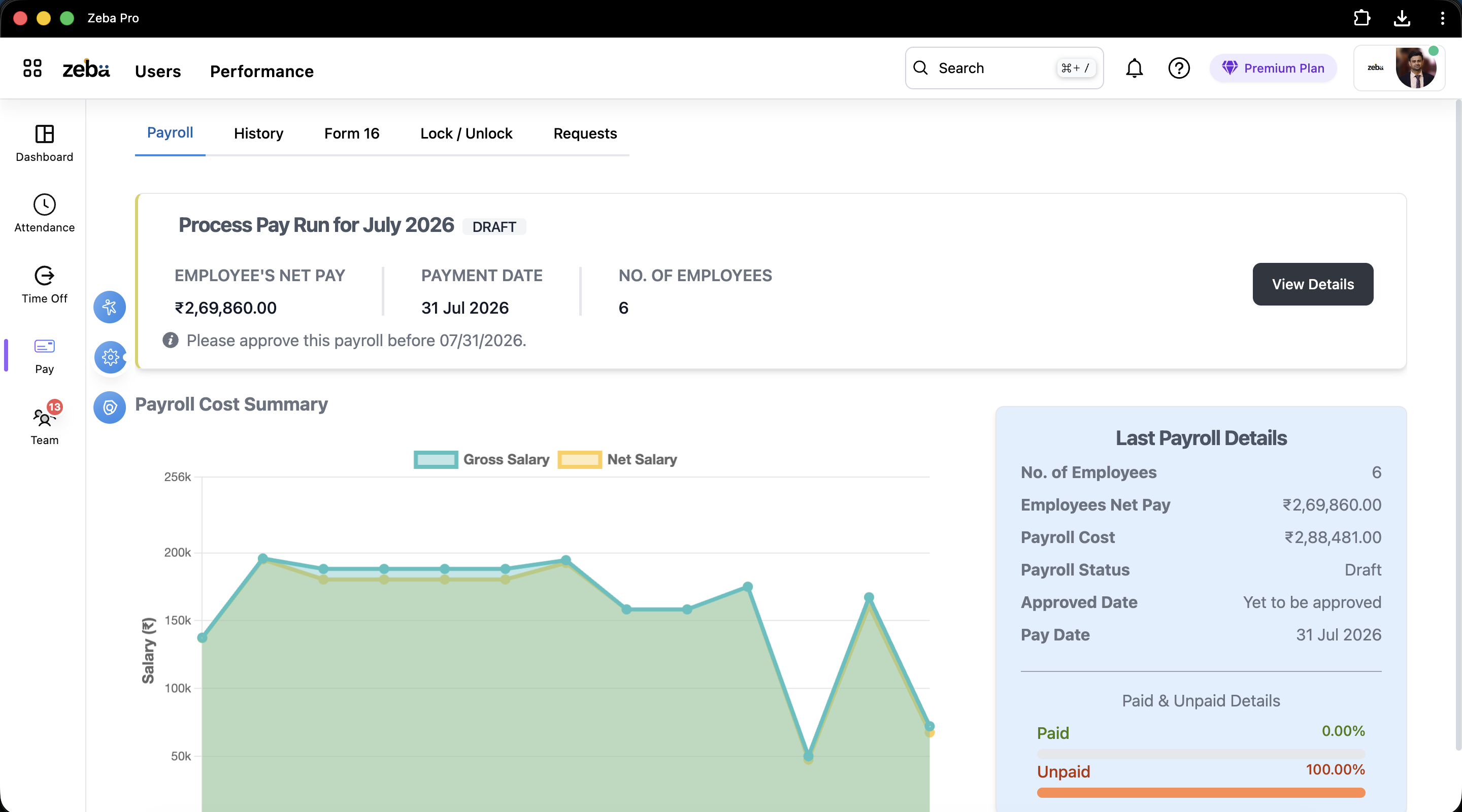
Understanding Payroll Automation
Payroll automation refers to the use of technology to streamline and manage payroll processes. It involves automating various tasks such as salary calculations, tax deductions, and employee payments. For SMEs, this can mean transforming a once tedious chore into a seamless operation.
Why is payroll automation becoming a necessity rather than a luxury? In 2026, businesses are facing increased competition and a demand for efficiency. Automating payroll helps SMEs save time and reduce the potential for errors that can arise from manual calculations.
The Benefits of Payroll Automation for SMEs
Let's dive into some of the key benefits that payroll automation can bring to your small or medium-sized enterprise:
- Enhanced Accuracy: Automated systems reduce human error, ensuring that calculations are precise.
- Time Savings: Automation minimizes the time spent on payroll tasks, allowing HR teams to focus on more strategic initiatives.
- Improved Compliance: Staying compliant with tax regulations and labor laws is easier when you have automated systems in place.
- Employee Satisfaction: Employees appreciate timely and accurate payments, leading to higher morale and retention rates.
- Cost Efficiency: Reducing the need for extensive payroll staff can lead to significant savings.
How Payroll Automation Works
To better understand payroll automation, let’s break down how it works in a typical SME setting:
- Data Collection: Employee data such as hours worked, salary, and deductions are collected either through the system or imported from other tools such as time-tracking software.
- Payroll Processing: The automated system calculates gross pay, deducts taxes, and applies any other deductions like health insurance or retirement contributions.
- Payment Processing: Once calculations are complete, payments are processed through direct deposit or other methods set by the organization.
- Reporting: The system generates reports for both management and compliance purposes, making it easy to track payroll expenses and ensure accuracy.
Common Challenges in Payroll Processing
Despite its advantages, many SMEs face challenges when it comes to payroll processing. Here are some common issues:
- Data Entry Mistakes: Manual entry can lead to errors, impacting employee payments and tax filings.
- Regulatory Changes: Keeping up with tax laws and regulations can be daunting for smaller businesses.
- Lack of Integration: Many SMEs use multiple systems that do not communicate well, leading to inefficiencies.
Choosing the Right Payroll Automation Solution
When selecting a payroll automation system, consider the following factors:
- User-Friendly Interface: Choose a platform that is easy to navigate for both HR personnel and employees.
- Integration Capabilities: Ensure the system can integrate with other tools you are already using, such as accounting or HR management software.
- Scalability: As your business grows, your payroll system should be able to scale with you.
- Support and Training: Look for solutions that offer excellent customer support and training resources for your team.
Payroll Automation Features to Look For
Different payroll automation solutions come with a variety of features. Here are some essential ones to look for:
| Feature | Description |
|---|---|
| Automated Calculations | Eliminates manual calculations for payroll, taxes, and deductions. |
| Direct Deposit | Allows employees to receive their pay directly into their bank accounts. |
| Compliance Management | Helps ensure compliance with local labor laws and tax regulations. |
| Reporting Tools | Generates reports for payroll expenses, tax liabilities, and employee earnings. |
| Employee Self-Service | Allows employees to access their pay stubs, tax information, and benefits. |
Real-World Examples of Payroll Automation Success
To illustrate the impact of payroll automation, let’s look at a few real-world examples:
Case Study 1: A local marketing agency implemented an automated payroll system that reduced payroll processing time from several days to just a few hours. They noted a 95% decrease in payroll errors and significant improvements in employee satisfaction.
Case Study 2: A small manufacturing firm struggled with compliance issues due to frequent changes in tax laws. After adopting payroll automation, they were able to stay compliant effortlessly, reducing their risk of fines and legal issues.
Practical Takeaways for SMEs
Implementing payroll automation doesn’t have to be overwhelming. Here are some actionable steps you can take:
- Assess your current payroll processes to identify pain points.
- Research payroll solutions that fit your business size and needs.
- Consider starting with a trial version of a payroll software to see how it integrates with your workflow.
- Train your HR team on the new system to ensure a smooth transition.
- Continuously monitor the system for performance and make adjustments as necessary.
Next Steps for Your Business
In 2026, embracing payroll automation is not just a trend; it's becoming a necessity for SMEs looking to thrive. By streamlining your payroll processes, you can focus on what truly matters-growing your business and enhancing the employee experience. Start exploring payroll automation solutions today and set your SME on the path to efficiency and accuracy.
Take the first step towards transforming your payroll process. Evaluate your current systems, research your options, and don’t hesitate to reach out to peers or experts for guidance. The future of payroll is automated, and your business deserves to be part of it.
Related reading
- Payroll Automation for SMEs: Boost Efficiency in 2026
- Streamlining Payroll Automation for SMEs in 2026
- Mastering Attendance and Time Tracking in 2026: Essential Strategies
- Mastering Attendance and Time Tracking in 2026: Key Strategies
- The All-in-One HRMS Solution Transforming Business Operations in 2026
- Understanding Professional Tax in 2026: A Comprehensive Guide
- Leave and Holiday Management: A Comprehensive Guide for 2026
- Leave and Holiday Management: Best Practices for 2026
- Navigating HR Compliance and Statutory Workflows in 2026
- The All-in-One HRMS Solution You Need in 2026


