


Managing employee leave and holidays can feel like a balancing act. You want to support your team while ensuring that business operations run smoothly. In 2026, streamlining leave management is more crucial than ever for enhancing employee experience and maintaining productivity.
Understanding Leave and Holiday Management
Leave and holiday management involves the processes and systems that organizations use to track, approve, and manage employee time off. This includes vacation days, sick leave, and public holidays. Well-structured leave management policies not only help maintain operational efficiency but also support employee well-being and satisfaction.
Why Leave Management Matters
Effective leave management is essential for several reasons:
- Employee Satisfaction: A well-managed leave system ensures employees feel valued and supported, leading to higher morale.
- Compliance: Adhering to labor laws regarding leave can prevent costly penalties and legal issues.
- Operational Efficiency: Streamlined processes reduce administrative burden and ensure continuity in operations.
Key Components of Leave Management
To create an efficient leave management system, consider these key components:
1. Clear Policies
Establish clear policies that outline types of leave available, eligibility, and the process for requesting leave. This clarity helps set expectations for both employees and managers.
2. Automated Tracking
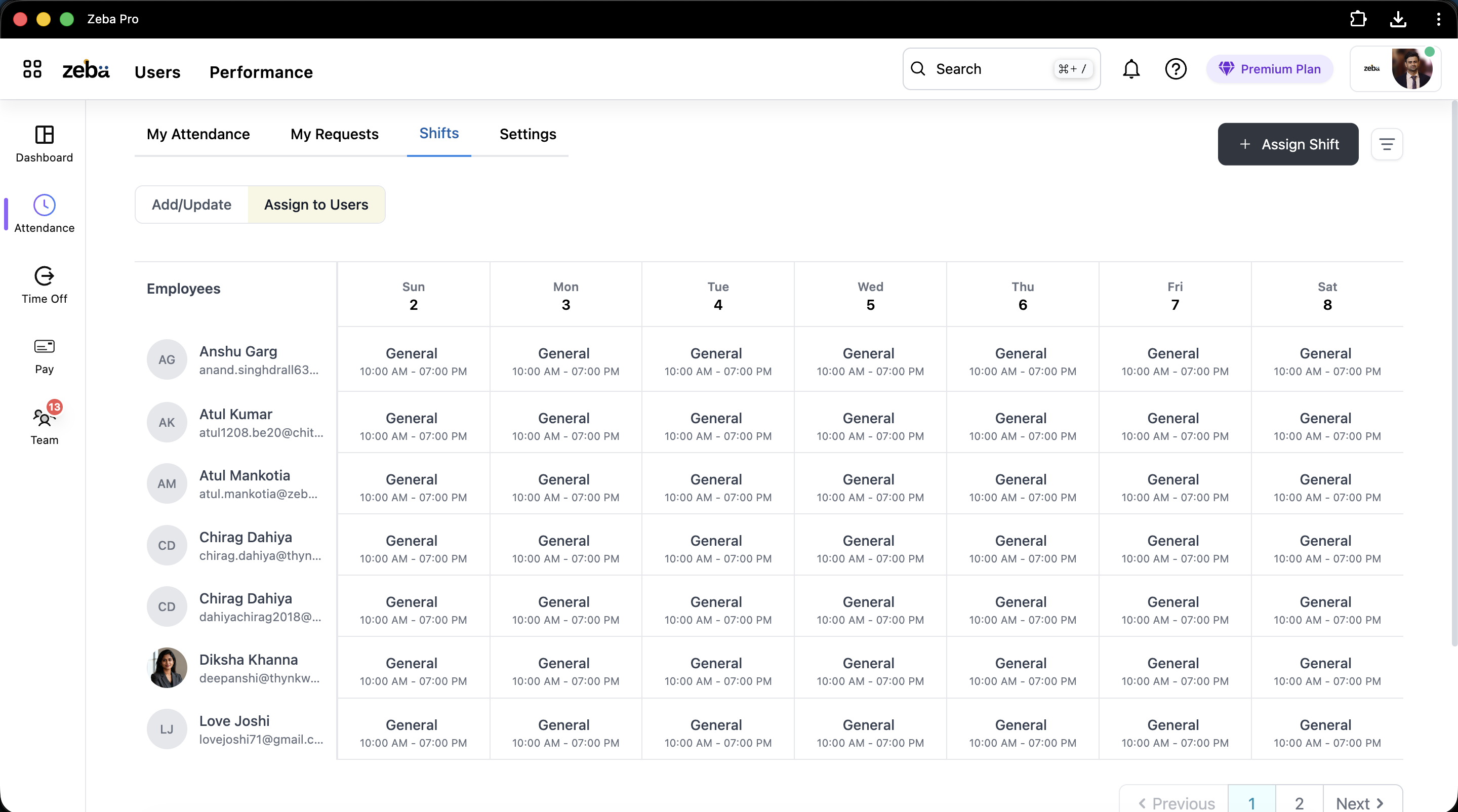
Using a robust HR management platform, like Zeba Pro, can automate tracking of leave balances, approvals, and rejections, reducing manual errors and saving time.
3. Employee Self-Service
Allow employees to access their leave balances and request time off through an online portal. This empowers them and reduces the administrative load on HR teams.
4. Approval Workflow
Implement a structured approval workflow that ensures all leave requests are handled promptly. This can help manage workloads and avoid staffing shortages.
Types of Leave
Understanding the different types of leave is fundamental to effective management. Here are the most common categories:
- Annual Leave: Paid time off that employees can take for vacation or personal reasons.
- Sick Leave: Leave granted when an employee is unable to work due to illness or injury.
- Maternity/Paternity Leave: Leave for new parents following the birth or adoption of a child.
- Public Holidays: Days designated by law or company policy as holidays, during which employees are typically off work.
- Unpaid Leave: Leave taken without pay, often for personal reasons or extended travel.
Best Practices for Leave Management in 2026
As we move through 2026, implementing best practices for leave management can help organizations maintain compliance and improve employee experience. Here are some strategies to consider:
1. Leverage Technology
Investing in an HR software solution can simplify leave management. For example, Zeba Pro offers integrations that streamline leave approvals and balances.
2. Regular Policy Review
Review and update your leave policies regularly to align with changing laws and employee needs. Engage employees in this process to ensure their voices are heard.
3. Training for Managers
Provide training for managers on how to handle leave requests fairly and consistently. This can help prevent biases and misunderstandings.
4. Communicate Clearly
Ensure that all employees are aware of their leave entitlements and the process for requesting leave. Regular communication can help reduce confusion and foster transparency.
Leave Management Process: A Step-by-Step Guide
Here’s a simple process to follow when managing leave requests:
- Request Submission: Employees submit leave requests through the HR platform.
- Manager Review: Managers receive notifications of new requests and review them based on operational needs.
- Approval or Denial: Managers approve or deny requests and provide feedback as necessary.
- Update Records: The HR system automatically updates leave balances and records the transaction.
- Notify Employee: Employees receive notifications regarding the status of their leave requests.
Compliance and Legal Considerations
Staying compliant with labor laws is crucial for any organization. Here are some key considerations:
- Understand Local Laws: Be aware of the leave entitlements required by law in your region.
- Record Keeping: Maintain accurate records of all leave taken and remaining balances to avoid disputes.
- Equal Treatment: Ensure that all employees are treated equally when it comes to leave requests to prevent discrimination claims.
Leave Management Compliance Checklist
| Compliance Area | Requirements | Status |
|---|---|---|
| Annual Leave Entitlement | Document policies and ensure they align with local laws. | ✓ |
| Sick Leave Policy | Clearly state sick leave entitlements. | ✓ |
| Public Holidays | List public holidays recognized by the company. | ✓ |
| Employee Communication | Regularly inform employees of their leave rights. | ✓ |
| Data Privacy | Ensure compliance with data protection regulations. | ✓ |
Real-World Examples
Consider the case of a mid-sized tech company that struggled with disorganized leave management. Employees faced delays in approvals, leading to frustration and productivity loss. By implementing a software solution like Zeba Pro, they automated leave requests, allowing for faster processing and better tracking of leave balances. The result? Happier employees and improved team efficiency.
Practical Takeaways
As you consider your leave management strategy for 2026, keep these practical tips in mind:
- Conduct an audit of your current leave policies and practices.
- Invest in HR technology that makes leave management easier for everyone.
- Engage employees in discussions about leave policies to ensure they meet their needs.
- Stay informed about changes in labor laws that affect leave entitlements.
Next Steps
Take action today by reviewing your current leave management processes. Identify areas for improvement and consider leveraging technology to enhance efficiency. Engage with your employees to understand their needs regarding time off and ensure your policies are transparent and fair. By prioritizing effective leave management, you position your organization for success in 2026 and beyond.
Related reading
- Leave and Holiday Management: Best Practices for 2026
- Mastering Attendance and Time Tracking in 2026: Essential Strategies
- Mastering Attendance and Time Tracking in 2026: Key Strategies
- Navigating HR Compliance and Statutory Workflows in 2026
- Payroll Automation for SMEs: Boost Efficiency in 2026
- Streamlining Payroll Automation for SMEs in 2026
- The All-in-One HRMS Solution Transforming Business Operations in 2026
- The All-in-One HRMS Solution You Need in 2026
- Understanding Professional Tax in 2026: A Comprehensive Guide


