


In the ever-evolving landscape of HR and payroll management, tracking the right metrics is vital for ensuring compliance, efficiency, and employee satisfaction. In 2026, understanding these metrics can help organizations navigate the complexities of payroll and enhance overall business outcomes.
Understanding the Importance of HR Metrics
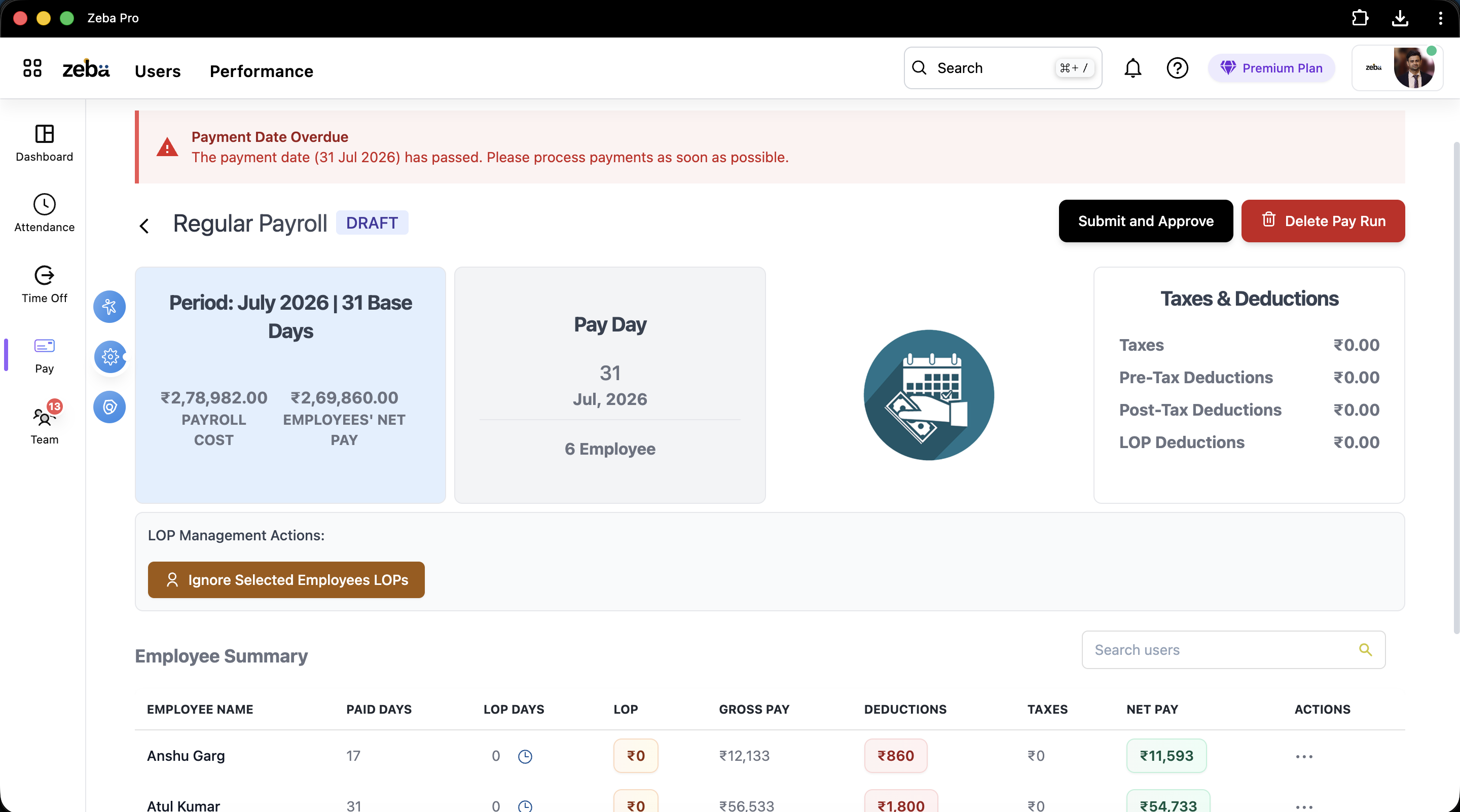
HR metrics are quantitative measurements used to gauge the effectiveness of HR processes and their impact on an organization. By focusing on specific metrics, HR professionals can make informed decisions that lead to improvements in payroll management and employee experience.
In this article, we will delve into 11 essential HR metrics that every organization should track to optimize payroll management.
1. Payroll Accuracy Rate
The payroll accuracy rate measures the percentage of payroll calculations that are processed correctly without any errors. A high accuracy rate is crucial as it directly impacts employee satisfaction and compliance with regulations.
- Formula:
(Total Correct Payroll Transactions / Total Payroll Transactions) x 100 - Aim for at least 98% accuracy.
2. Cost per Payroll Transaction
This metric evaluates the total cost incurred to process a single payroll transaction. It includes labor costs, technology costs, and other overheads associated with payroll processing.
- Formula:
Total Payroll Processing Costs / Total Payroll Transactions - Helps identify areas for cost reduction.
3. Time to Process Payroll
Time to process payroll is the total time taken to complete payroll processing for a pay period. This metric is essential for assessing the efficiency of the payroll process.
- Formula:
Total Time Spent on Payroll Processing - Shorter processing times can lead to better employee satisfaction.
4. Employee Turnover Rate
The employee turnover rate reflects the percentage of employees who leave the organization within a specific period. High turnover can signify underlying issues, such as dissatisfaction with salary or benefits.
- Formula:
(Number of Employees Leaving / Average Number of Employees) x 100 - A high turnover rate can increase payroll processing costs.
5. Overtime Rate
The overtime rate measures the percentage of hours worked that are classified as overtime. This metric helps organizations manage workforce costs effectively.
- Formula:
(Overtime Hours / Total Hours Worked) x 100 - High overtime may indicate understaffing or workload issues.
6. Compliance Rate
The compliance rate measures the organization's adherence to local, state, and federal payroll regulations. Maintaining a high compliance rate is essential to avoid penalties and legal issues.
- Formula:
(Number of Compliance Issues Resolved / Total Compliance Issues) x 100 - Regular audits can help improve this metric.
7. Employee Satisfaction with Payroll
Employee satisfaction with payroll reflects how employees perceive the accuracy and timeliness of their paychecks. Surveys can be conducted to gain insights into employee sentiment.
- Conduct regular surveys to assess satisfaction levels.
- Use feedback to make necessary improvements.
8. Percentage of Payroll Errors
This metric measures the proportion of payroll transactions that contain errors. Reducing payroll errors is critical for maintaining trust and employee morale.
- Formula:
(Number of Payroll Errors / Total Payroll Transactions) x 100 - Aim for less than 2% error rate.
9. Payroll Staff Productivity
Payroll staff productivity measures the output of payroll personnel in relation to the time spent on payroll tasks. Optimizing productivity is essential for enhancing efficiency.
- Formula:
Total Payroll Transactions Processed / Total Payroll Staff Hours - Identify bottlenecks to improve efficiency.
10. Tax Compliance Rate
The tax compliance rate indicates how well an organization complies with tax regulations related to payroll. This is particularly important in managing professional tax and other statutory deductions.
- Formula:
(Number of Tax Filings Completed on Time / Total Tax Filings) x 100 - Using automated systems can improve this metric significantly.
11. Professional Tax Deductions
Tracking the amount deducted for professional tax is crucial, especially in regions where this is mandated. Understanding these deductions helps in accurate payroll processing and compliance.
- Monitor changes in professional tax rates by state to ensure accurate deductions.
- In 2026, Zeba Pro automates these calculations based on employee location, reducing manual errors.
Implementing These Metrics
To effectively track these metrics, organizations should implement a robust payroll management system that allows for real-time data collection and reporting. Here are steps to consider:
- Identify key metrics relevant to your payroll process.
- Utilize an HR and payroll platform like Zeba Pro to automate data tracking.
- Regularly review and analyze the collected data.
- Make data-driven decisions to improve payroll processes.
- Communicate changes and improvements to employees.
Conclusion
Tracking these 11 HR metrics is essential for effective payroll management in 2026. By focusing on accuracy, efficiency, compliance, and employee satisfaction, organizations can enhance their payroll processes and overall business outcomes. Start by implementing these metrics in your payroll strategy and observe the positive changes that follow.
Take action today by reviewing your current payroll processes and identifying areas for improvement. Whether it be adopting new technologies or refining your metrics, the steps you take now can lead to substantial benefits for your organization and its employees.
Related reading
- Understanding Professional Tax in 2026: A Complete Guide for Employers
- Understanding Professional Tax in 2026: A Comprehensive Guide
- 11 Hidden Payroll Costs of Leave and Holiday Management
- 5 HR Metrics You Should Track for Attendance and Time Management
- 50 Employee Live Location Tracking Tips for Effective Management
- Leave and Holiday Management: A Comprehensive Guide for 2026
- Leave and Holiday Management: Best Practices for 2026
- Mastering Attendance and Time Tracking in 2026: Essential Strategies
- Mastering Attendance and Time Tracking in 2026: Key Strategies
- Navigating HR Compliance and Statutory Workflows in 2026


