


As businesses navigate the complexities of payroll management, the need for automation becomes increasingly clear. For SMEs in 2026, embracing payroll automation can be a game-changing decision.
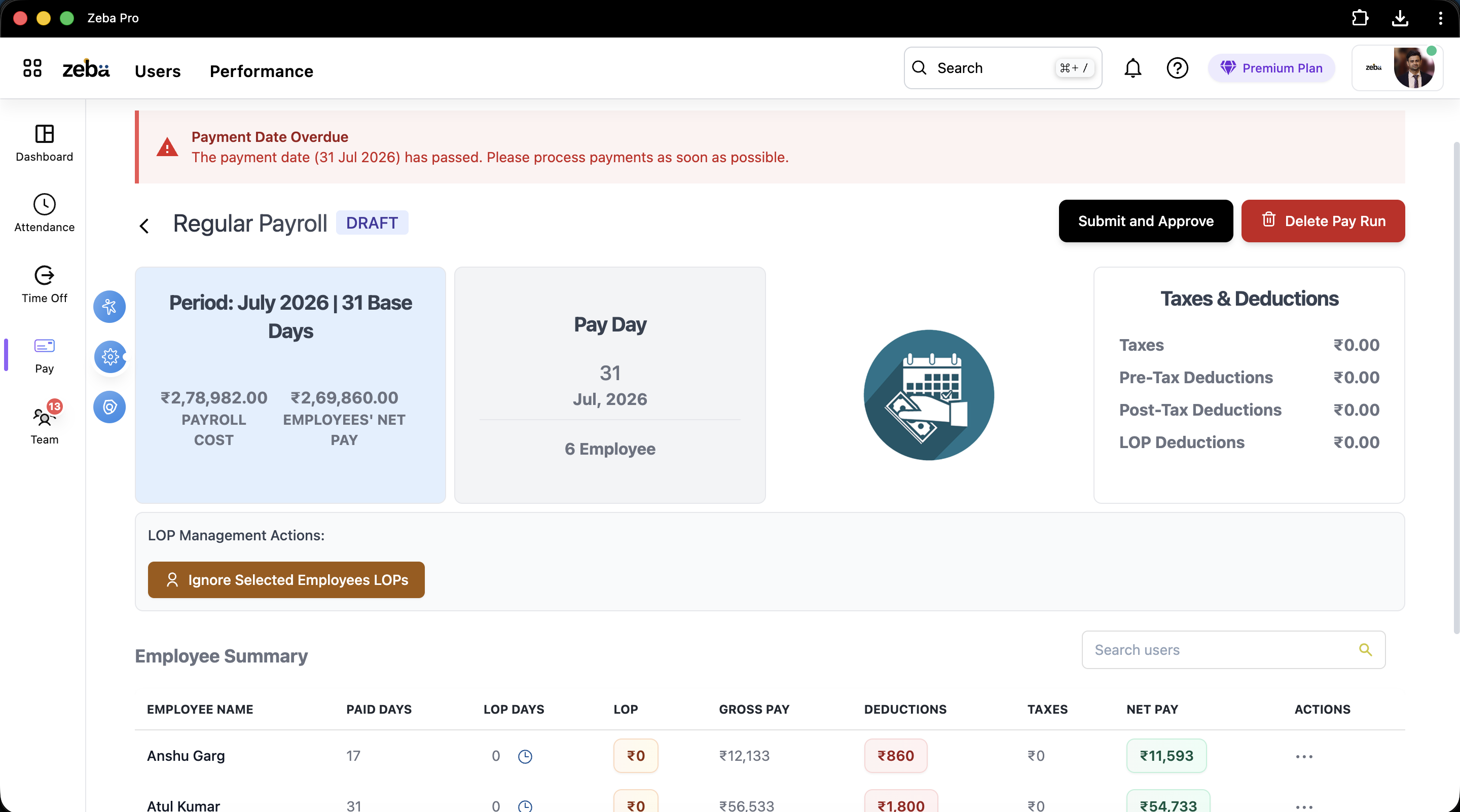
The Rise of Payroll Automation in SMEs
In recent years, payroll automation has transformed how small and medium enterprises (SMEs) handle their payroll processes. With the advancements in technology, businesses can now streamline operations, minimize errors, and enhance employee satisfaction.
But what exactly are the benefits of automating payroll for SMEs? Let’s explore the top 13 advantages that can help your business thrive in 2026.
1. Increased Efficiency
Automating payroll processes significantly reduces the time spent on manual tasks. Instead of sifting through spreadsheets and paperwork, your HR team can focus on strategic initiatives that drive business growth.
2. Improved Accuracy
Human errors in payroll can lead to costly mistakes. Automation minimizes these errors, ensuring that calculations for salaries, deductions, and taxes are accurate every time. This accuracy is crucial for maintaining employee trust and meeting compliance standards.
3. Cost Savings
By reducing the time and resources spent on payroll processing, businesses can save money in the long run. These savings can be redirected towards other critical areas, such as employee development or new projects.
4. Enhanced Compliance
Staying compliant with local labor laws and tax regulations is vital for SMEs. Payroll automation systems often come equipped with built-in compliance checks, ensuring that your payroll practices adhere to the latest legal requirements.
5. Better Data Security
Manual payroll processes can leave sensitive employee information vulnerable to breaches. Payroll automation systems provide enhanced security features, including encryption and access controls, to protect your data.
6. Real-Time Reporting
With automated payroll systems, generating reports is quick and easy. You can access real-time data on payroll expenses, labor costs, and employee payments, allowing for informed decision-making.
7. Integration with Other Systems
Modern payroll solutions can integrate seamlessly with other HR and accounting software. This integration helps maintain a cohesive workflow and ensures that data is consistent across all platforms.
8. Improved Employee Experience
Employees appreciate timely and accurate payments. Automated payroll systems can provide self-service portals for employees to access their pay stubs, tax information, and benefits details, improving overall satisfaction.
9. Flexibility and Scalability
As your business grows, so do your payroll needs. Automated systems can easily scale to accommodate changes in employee numbers, pay structures, and compliance requirements.
10. Streamlined Onboarding
Integrating payroll automation with your onboarding process can simplify the transition for new employees. Automated systems can facilitate the collection of necessary documents and ensure that new hires are set up in the payroll system without delay.
11. Simplified Tax Management
Tax management can be one of the most challenging aspects of payroll. Automated systems often include features that automatically calculate, withhold, and file taxes, reducing the administrative burden on your team.
12. Enhanced Transparency
Automation provides clear visibility into payroll processes. Employees can track their earnings and deductions, fostering a culture of transparency within your organization.
13. Reduced Stress for HR Teams
With many payroll tasks automated, HR teams can experience reduced stress levels. This allows them to focus on other critical areas like employee engagement and organizational development.
Evaluating Payroll Automation Solutions
When considering payroll automation for your SME, it’s essential to evaluate different solutions based on your specific needs. Here’s a quick comparison of some popular payroll automation features:
| Feature | Solution A | Solution B | Solution C |
|---|---|---|---|
| Real-Time Reporting | Yes | No | Yes |
| Integration Capabilities | Extensive | Limited | Moderate |
| Employee Self-Service | Available | Not Available | Available |
| Compliance Tracking | Yes | Yes | No |
Real-World Example: A Success Story
Consider a local SME that struggled with payroll errors and compliance issues. By implementing an automated payroll system, they reduced processing time by 50%, eliminated errors, and improved employee satisfaction ratings by over 30% within six months. This transformation not only saved them money but also fostered a more engaged workforce.
Practical Takeaways
As you think about automating your payroll processes, here are a few practical steps to get started:
- Assess your current payroll processes and identify pain points.
- Research various payroll automation solutions and compare their features.
- Engage your HR and finance teams in the decision-making process.
- Consider starting with a pilot program to test the software before full implementation.
- Provide training for your staff to ensure smooth adoption.
Next Steps for Your Business
In 2026, the landscape of payroll management continues to evolve. By embracing payroll automation, your SME can not only improve efficiency and accuracy but also enhance employee satisfaction. Start by evaluating your current processes, exploring available solutions, and taking actionable steps towards a more automated future.
For additional insights into payroll automation, consider checking out our blog on Payroll Automation for SMEs: A Game Changer in 2026.
Remember, the transition to automation doesn’t have to be overwhelming. With careful planning and the right tools, you can unlock the full potential of payroll automation for your SME.
Related reading
- Payroll Automation for SMEs: A Game Changer in 2026
- Payroll Automation for SMEs: Boost Efficiency in 2026
- Streamlining Payroll Automation for SMEs in 2026
- Mastering Attendance and Time Tracking in 2026: Essential Strategies
- Mastering Attendance and Time Tracking in 2026: Key Strategies
- The All-in-One HRMS Solution Transforming Business Operations in 2026
- Understanding Professional Tax in 2026: A Complete Guide for Employers
- Understanding Professional Tax in 2026: A Comprehensive Guide
- Understanding Statutory Components for Businesses in India in 2026
- Understanding Statutory Components in India: A 2026 Guide for Businesses


