


Statutory compliance can feel overwhelming for many businesses, but understanding its components is key to smooth operations and employee satisfaction.
What Are Statutory Components?
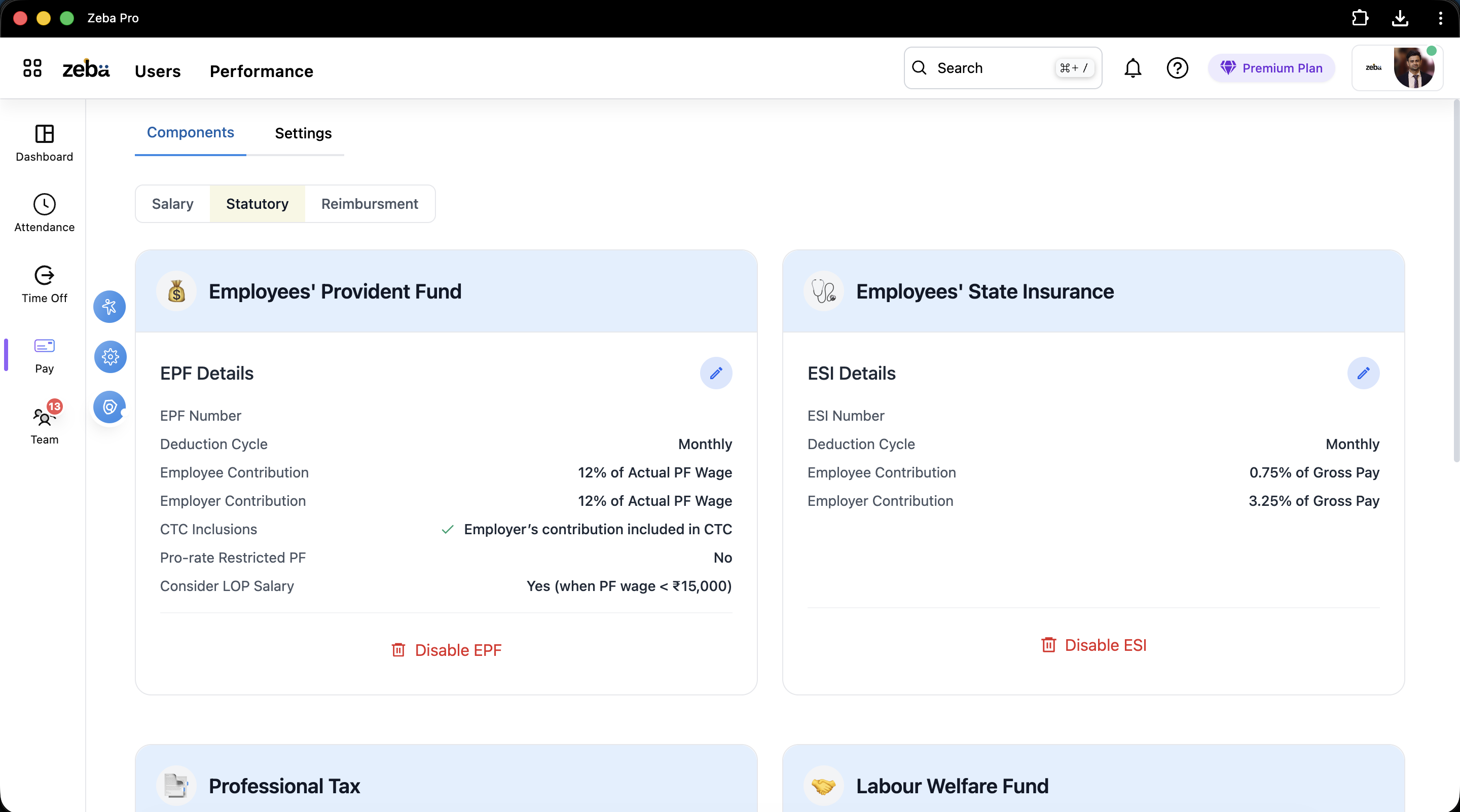
Statutory components refer to the legal obligations that businesses must adhere to, particularly concerning their employees. These laws govern areas such as payroll, employee benefits, workplace safety, and more. In India, statutory compliance is crucial not only for the smooth operation of a business but also for fostering a positive workplace culture.
The Importance of Statutory Compliance
Statutory compliance is vital for several reasons:
- Legal Protection: Adhering to statutory laws protects businesses from potential legal disputes and penalties.
- Employee Welfare: Compliance ensures that employees receive their due benefits and protections, leading to higher morale.
- Reputation Management: Companies that comply with regulations enhance their reputation, attracting both talent and clients.
- Operational Efficiency: Streamlining compliance processes can improve overall business efficiency.
Key Statutory Components in India
As of 2026, several critical statutory components must be integrated into HR and payroll operations in India. Understanding these components will help ensure compliance and smooth functioning.
1. Provident Fund (EPF)
The Employees' Provident Fund (EPF) is a compulsory savings scheme for employees. It mandates both the employer and employee to contribute a specific percentage of the employee's salary to the fund. The current contribution rate is 12% for both parties.
2. Employee State Insurance (ESI)
The ESI Act provides health insurance and medical benefits to employees. Businesses with more than 10 employees and a monthly wage of up to INR 21,000 must enroll their employees in this scheme. Employers contribute 3.25% of wages, while employees contribute 0.75%.
3. Professional Tax (PT)
Professional tax is a state-level tax levied on professions, trades, and employment. The amount varies by state, and employers must deduct it from their employees' salaries. For a detailed guide, refer to our blog on Understanding Professional Tax in 2026.
4. Gratuity
Gratuity is a benefit paid to employees who have completed a minimum of five years with an organization. The amount is calculated based on the last drawn salary and the number of years served. It is essential for employers to maintain records accurately to ensure compliance.
5. Labour Welfare Fund
The Labour Welfare Fund is established by state governments to promote the welfare of workers. Employers must contribute to this fund, and the specifics can vary by state.
6. Bonus
The Payment of Bonus Act mandates that eligible employees receive a bonus based on their earnings. The bonus calculation can be complex, as it depends on various factors, including company profits.
Compliance Requirements
To ensure compliance with statutory components, businesses should follow these steps:
- Understand the Laws: Familiarize yourself with the relevant laws applicable to your business and industry.
- Maintain Accurate Records: Keep detailed records of employee contributions, payments, and benefits.
- Automate Processes: Utilize payroll and HR software like Zeba Pro to automate compliance tasks.
- Regular Training: Train HR personnel on compliance updates and best practices.
- Conduct Audits: Schedule regular audits to identify and rectify compliance gaps.
Consequences of Non-Compliance
Failure to adhere to statutory components can have serious repercussions:
- Financial Penalties: Businesses may incur hefty fines for non-compliance.
- Legal Action: Employees can take legal action against employers for failing to meet statutory obligations.
- Reputation Damage: Non-compliance can harm a company's reputation, affecting customer trust.
Real-World Examples
Consider a manufacturing company with 50 employees that fails to comply with the ESI Act. If an employee suffers a workplace injury and it is discovered that the company did not provide necessary health insurance, they could face legal repercussions and significant financial penalties.
On the other hand, a tech startup that automates its payroll process using a platform like Zeba Pro ensures compliance with EPF, ESI, and PT. By doing so, they not only avoid penalties but also create a positive work environment, boosting employee satisfaction and retention.
Best Practices for Managing Statutory Compliance
To navigate statutory compliance effectively, businesses should consider the following best practices:
- Invest in Technology: Use HR and payroll management software to keep up with compliance requirements.
- Stay Updated: Regularly review changes in labor laws and regulations that may affect your business.
- Engage Experts: Consult with legal and HR experts to ensure thorough understanding and compliance.
- Foster Open Communication: Encourage employees to voice concerns regarding compliance issues.
Conclusion: Taking Action
Understanding and managing statutory components is not just a legal obligation; it is an integral part of running a successful business in India. By familiarizing yourself with the various compliance requirements and integrating them into your HR operations, you can pave the way for a compliant, efficient, and employee-friendly workplace.
As a next step, assess your current compliance status. Conduct a thorough review of your payroll processes, ensure all statutory components are being adhered to, and make necessary adjustments. Consider leveraging automation tools to streamline these processes further, enhancing efficiency and accuracy.
Compliance is an ongoing journey. Stay proactive, keep learning, and ensure that your business not only meets but exceeds statutory requirements.
Related reading
- Understanding Statutory Components for Businesses in India in 2026
- Navigating HR Compliance and Statutory Workflows in 2026
- Leave and Holiday Management: A Comprehensive Guide for 2026
- Leave and Holiday Management: Best Practices for 2026
- Mastering Attendance and Time Tracking in 2026: Essential Strategies
- Mastering Attendance and Time Tracking in 2026: Key Strategies
- Payroll Automation for SMEs: A Game Changer in 2026
- Payroll Automation for SMEs: Boost Efficiency in 2026
- Streamlining Payroll Automation for SMEs in 2026
- The All-in-One HRMS Solution Transforming Business Operations in 2026


