


In the fast-paced world of modern business, effective attendance and time tracking are crucial for ensuring productivity and compliance. Understanding the right metrics can help organizations streamline their processes and enhance employee engagement.
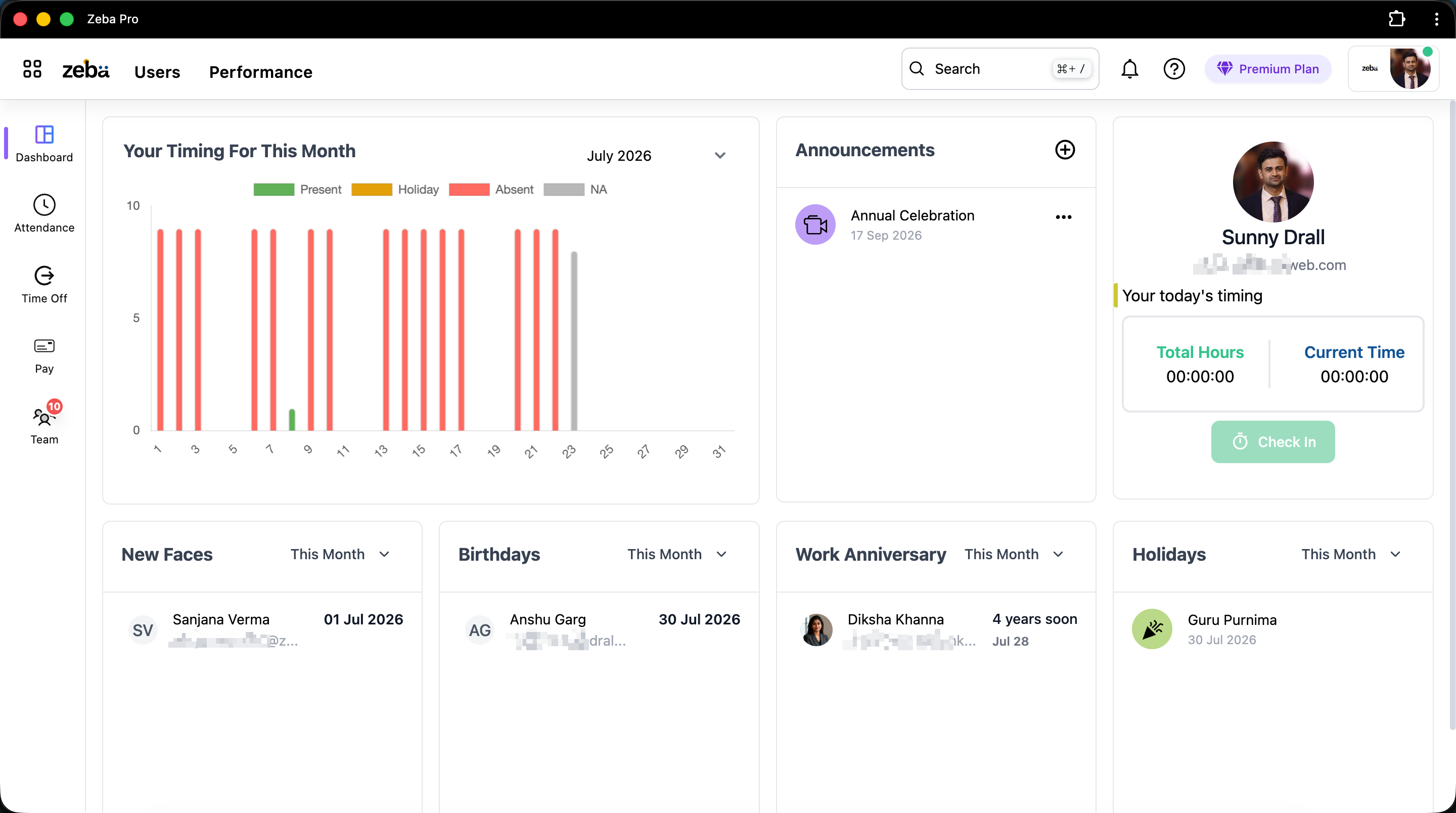
Understanding Attendance and Time Management
Attendance and time management refer to the methods and systems used to record and monitor employee working hours, attendance patterns, and time-off requests. Effective management of these factors can directly impact payroll accuracy, employee morale, and overall business productivity.
As we move through 2026, businesses are increasingly recognizing the importance of tracking attendance metrics. Below, we discuss 13 key HR metrics that can help you manage attendance and time effectively.
1. Attendance Rate
The attendance rate measures the percentage of days employees are present at work compared to the total scheduled working days. This metric helps you understand overall employee engagement and can highlight areas where improvements may be needed.
- Formula: (Total Days Present / Total Scheduled Days) x 100
2. Absenteeism Rate
Absenteeism rate indicates the percentage of workdays missed by employees due to absence. Tracking this metric can help identify trends that may require interventions, such as improving workplace conditions or addressing employee wellness.
- Formula: (Total Days Absent / Total Scheduled Days) x 100
3. Late Arrival Rate
This metric tracks how often employees arrive late for work. A high late arrival rate may indicate issues with employee satisfaction, commute challenges, or ineffective scheduling.
- Formula: (Number of Late Arrivals / Total Scheduled Days) x 100
4. Overtime Hours
Measuring the number of overtime hours worked by employees can help identify workload issues or staffing shortages. Regularly tracking this metric allows businesses to make informed decisions regarding hiring and resource allocation.
5. Employee Turnover Rate
While not solely an attendance metric, tracking turnover can provide insights into attendance issues. High turnover may correlate with absenteeism or low morale, indicating a need for engagement strategies.
- Formula: (Number of Departures / Average Number of Employees) x 100
6. Time-off Usage Rate
This metric assesses how much of the allotted time-off is utilized by employees. Understanding time-off trends can help HR manage workloads and ensure employees take necessary breaks to maintain productivity.
7. Average Sick Days Taken
Tracking the average number of sick days taken can help identify patterns related to employee health and wellness. A rising trend may require a closer look at workplace health initiatives.
8. Shift Adherence Rate
This metric measures how well employees adhere to their scheduled shifts. Low adherence rates can indicate scheduling issues or employee dissatisfaction.
- Formula: (Number of Shifts Worked on Schedule / Total Scheduled Shifts) x 100
9. Time-to-Hire
While primarily a recruitment metric, time-to-hire can directly impact attendance. Lengthy hiring processes can lead to increased workloads for existing employees, potentially increasing absenteeism.
- Formula: Average number of days from job posting to acceptance
10. Employee Satisfaction Scores
Regular employee satisfaction surveys can help gauge how content employees are regarding their work environment, which can influence attendance. High satisfaction often correlates with lower absenteeism.
11. Payroll Accuracy Rate
Ensuring payroll accuracy is crucial for maintaining employee trust. Tracking how often payroll errors occur can highlight issues in time tracking and attendance processes.
- Formula: (Total Accurate Payrolls / Total Payrolls Processed) x 100
12. Compliance with Labor Laws
Tracking compliance with labor laws regarding attendance and timekeeping ensures that the company avoids legal issues. Regular audits can help maintain compliance and employee trust.
13. Employee Feedback on Attendance Policies
Gathering feedback on attendance policies can provide valuable insights into how employees perceive the systems in place. This can help HR make necessary adjustments to improve overall attendance.
Utilizing Attendance Metrics Effectively
Now that we have explored the 13 key metrics, it is essential to utilize these insights effectively. Here are some practical steps to implement:
- Regularly review attendance metrics to identify trends.
- Communicate findings with management and HR teams to address issues collaboratively.
- Implement employee wellness programs to address high absenteeism and turnover.
- Adjust policies based on employee feedback to improve satisfaction and attendance.
Real-World Example: Company X
Consider the case of Company X, which implemented an attendance tracking system in 2026. By closely monitoring attendance metrics, they discovered a high absenteeism rate correlated with employee dissatisfaction.
After conducting a satisfaction survey, Company X learned that employees felt overworked and undervalued. In response, they adjusted workloads and started a recognition program, resulting in a 20% decrease in absenteeism within three months.
Conclusion
Tracking the right HR metrics for attendance and time management is essential for optimizing productivity and employee satisfaction in 2026. By focusing on these 13 metrics, businesses can make informed decisions that foster a more engaged and committed workforce.
As you move forward, consider how you can implement these metrics in your organization. Regularly review and adjust your attendance policies based on data-driven insights to create a supportive environment that values employee well-being and promotes productivity.
Related reading
- Mastering Attendance and Time Tracking in 2026: Essential Strategies
- Mastering Attendance and Time Tracking in 2026: Key Strategies
- 5 HR Metrics You Should Track for Attendance and Time Management
- 50 Employee Live Location Tracking Tips for Effective Management
- 90% of Businesses Risk Inefficiencies Without Live Employee Tracking
- Streamlining Payroll Automation for SMEs in 2026
- 11 Hidden Payroll Costs of Leave and Holiday Management
- 11 HR Metrics You Should Track for Effective Payroll Management
- Leave and Holiday Management: A Comprehensive Guide for 2026
- Leave and Holiday Management: Best Practices for 2026


