


In today's fast-paced business environment, accurate attendance tracking is critical. Yet, a staggering 90% of growing teams still struggle with effectively managing employee attendance and time tracking.
The Importance of Attendance and Time Tracking
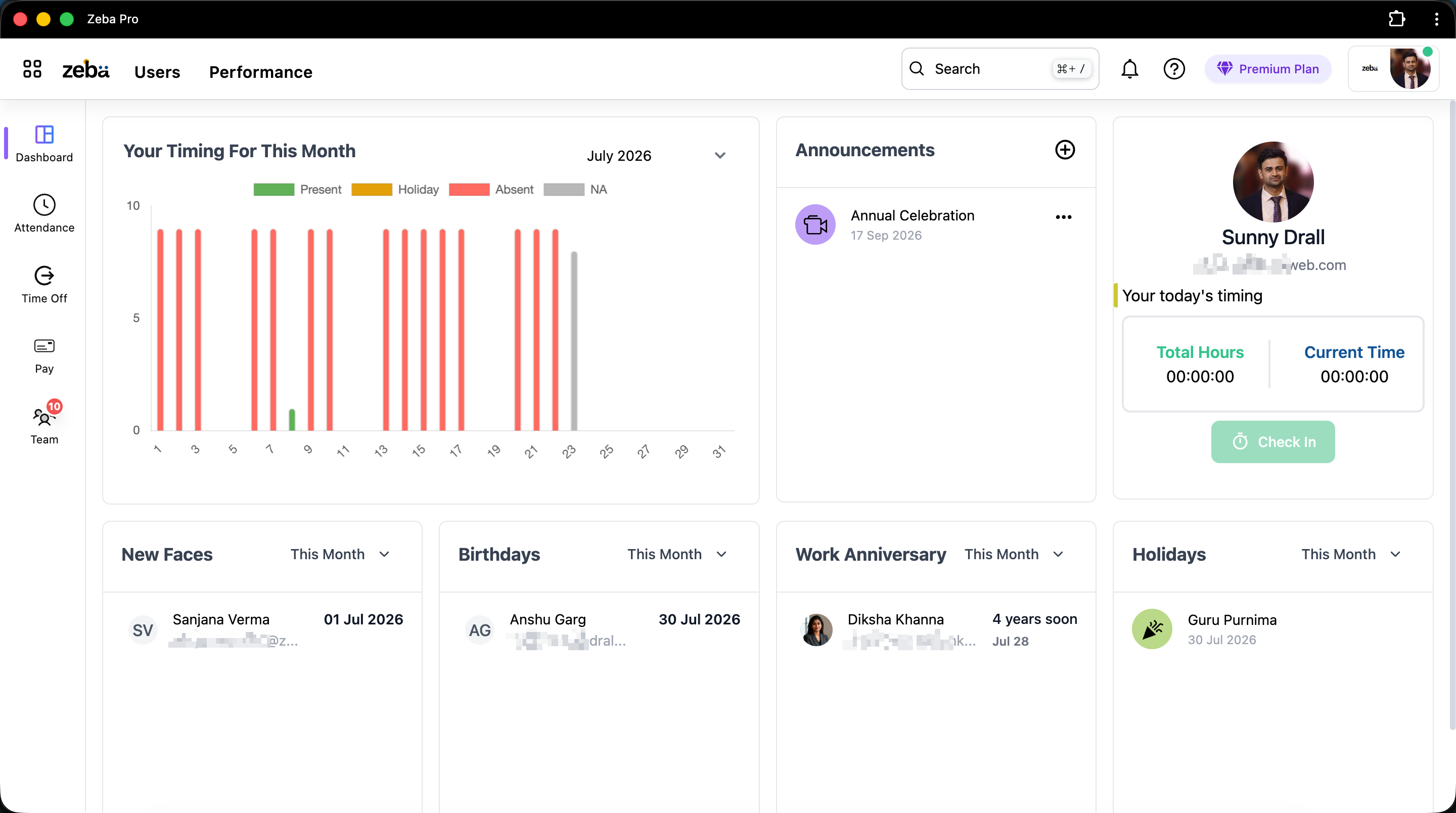
Attendance and time tracking play a fundamental role in the overall productivity of an organization. They not only ensure compliance with labor laws but also help organizations manage their payroll effectively. Accurate records of employee hours can lead to better decision-making, increased efficiency, and reduced costs.
In 2026, the landscape of work has evolved significantly, and businesses must adapt to new challenges and opportunities. With remote work and flexible hours becoming the norm, traditional methods of attendance tracking often fall short. This emphasizes the need for robust systems that can capture attendance in real-time, regardless of where employees are located.
Common Challenges in Attendance Tracking
Despite its importance, many companies continue to face significant hurdles in attendance and time tracking. Here are some common challenges:
- Inaccurate Data: Manual entry can lead to errors in tracking hours worked and attendance.
- Compliance Risks: Failing to adhere to labor laws can result in hefty fines and legal issues.
- Employee Disengagement: Complicated attendance processes can frustrate employees, leading to disengagement.
- Cost Inefficiencies: Ineffective tracking can lead to overpayment for hours not worked or missed payroll deadlines.
Best Practices for Effective Attendance and Time Tracking
To overcome the challenges of attendance tracking, organizations can implement several best practices:
- Utilize Automated Systems: Invest in HR software that automates attendance tracking to reduce manual errors and save time.
- Implement Real-Time Tracking: Use technology that allows for real-time tracking of employee hours, enabling accurate payroll processing.
- Encourage Transparency: Foster a culture where employees can easily report their hours and attendance, ensuring everyone is accountable.
- Regular Audits: Conduct audits of attendance records to identify discrepancies and areas for improvement.
Modern Attendance Tracking Solutions
With advancements in technology, numerous solutions are available to streamline attendance tracking. Here are some popular modern methods:
- Mobile Apps: Employees can clock in and out using their smartphones, providing flexibility and real-time updates.
- Biometric Systems: Fingerprint or facial recognition systems ensure secure and accurate attendance capture.
- Cloud-Based Software: Cloud solutions allow for easy access to attendance data from anywhere, facilitating remote work.
Comparison of Attendance Tracking Tools
When selecting an attendance tracking solution, it's essential to consider various features that align with your business needs. The table below compares three popular attendance tracking tools:
| Feature | Tool A | Tool B | Tool C |
|---|---|---|---|
| Real-Time Tracking | Yes | Yes | No |
| Mobile Access | Available | Available | Not Available |
| Biometric Options | Yes | No | Yes |
| Cloud-Based | Yes | No | Yes |
Real-World Example: Success with Automated Attendance Tracking
Consider the case of a mid-sized manufacturing company that faced challenges with attendance tracking. They implemented an automated attendance system which included mobile access and biometric entry points. Within months, they reported:
- A 50% reduction in time spent on payroll processing.
- A significant decrease in attendance discrepancies.
- Improved employee satisfaction due to easier clock-in processes.
This transformation not only saved time but also led to a more engaged and productive workforce.
Key HR Metrics to Track
To measure the effectiveness of your attendance tracking, consider monitoring the following HR metrics:
- Attendance Rate: The percentage of days employees are present compared to total working days.
- Overtime Hours: Tracking overtime can help manage labor costs and employee workload.
- Absenteeism Rate: Understanding patterns of absenteeism can inform HR decisions and policies.
Next Steps for Implementation
As businesses navigate the complexities of attendance and time tracking in 2026, taking actionable steps towards improvement is crucial. Here are some specific actions you can implement:
- Assess your current attendance tracking system and identify pain points.
- Research and compare various attendance tracking tools to find one that fits your organization's needs.
- Train employees on the new system to ensure smooth adoption and engagement.
- Regularly review attendance data to make informed decisions and adjustments.
By taking these steps, organizations can significantly enhance their attendance tracking processes, which will lead to improved efficiency, compliance, and overall employee satisfaction.
Conclusion
In a landscape where 90% of teams struggle with attendance tracking, implementing effective solutions is essential to success. By leveraging technology, adopting best practices, and focusing on key HR metrics, businesses can overcome challenges and enhance their operational efficiency in 2026 and beyond.
Related reading
- Mastering Attendance and Time Tracking in 2026: Essential Strategies
- Mastering Attendance and Time Tracking in 2026: Key Strategies
- 13 HR Metrics You Should Track for Attendance and Time Management
- 5 HR Metrics You Should Track for Attendance and Time Management
- Track Employee Attendance and Time in Under 15 Minutes
- 50 Employee Live Location Tracking Tips for Effective Management
- 90% of Businesses Risk Inefficiencies Without Live Employee Tracking
- How We Improved Workforce Efficiency by 50% with Live Location Tracking
- Manage Leave and Holidays in Just 7 Minutes with Zeba Pro
- Process Payroll in Just 7 Minutes with Automation for SMEs


