


In the fast-paced world of small and medium enterprises (SMEs), efficiency is key. One area where efficiency can make a significant difference is payroll processing. Imagine being able to process payroll in just 7 minutes. With payroll automation, this is not just a dream; it can be your reality.
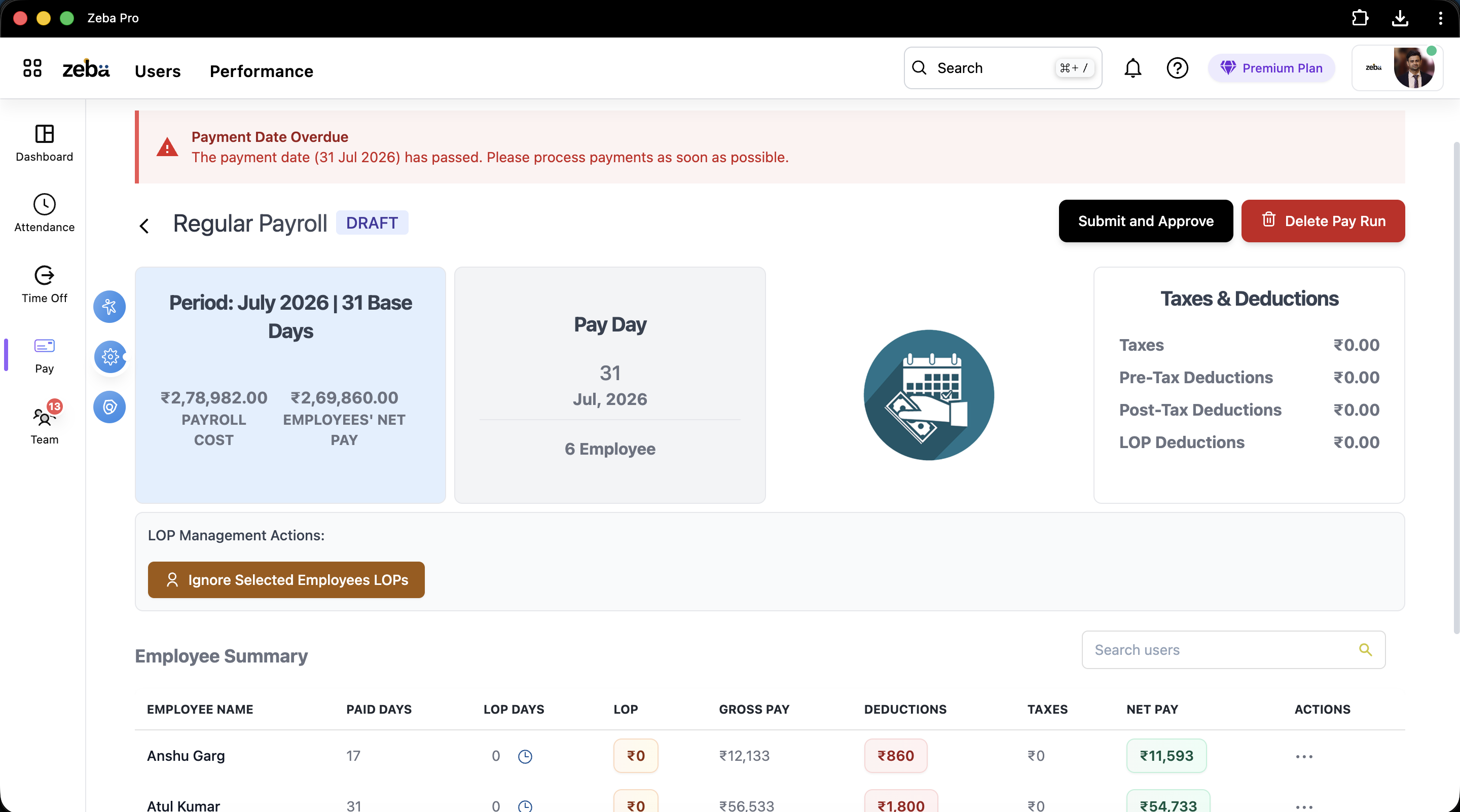
Understanding Payroll Automation
Payroll automation involves using software and technology to manage and streamline the payroll process. This technology automates various tasks such as calculating salaries, withholding taxes, and generating pay slips. For SMEs, this means fewer errors, reduced processing time, and enhanced compliance with regulations.
Why Payroll Automation Matters for SMEs
Many SMEs struggle with manual payroll processing, which can lead to errors and inefficiencies. By automating payroll, businesses can:
- Reduce Errors: Automation minimizes human errors in calculations and data entry.
- Save Time: Tasks that previously took hours can be completed in minutes.
- Enhance Compliance: Automated systems can help ensure compliance with tax laws and labor regulations.
- Improve Employee Satisfaction: Timely and accurate payroll boosts employee morale.
Key Features of Payroll Automation
When considering payroll automation, it's important to understand the key features that make it effective:
- Automatic Calculations: The software automatically calculates gross pay, deductions, and net pay.
- Tax Management: Handles tax calculations and generates necessary tax forms.
- Direct Deposit: Enables direct deposit options for employee payments.
- Reporting Tools: Offers various reports for analysis and compliance.
Real-World Examples of Payroll Automation
Let’s explore how different SMEs have benefited from payroll automation:
- A Retail Company: A small retail chain employed payroll automation and reduced processing time from hours to just 7 minutes. This allowed the HR team to focus on employee engagement.
- A Tech Startup: By automating payroll, a tech startup minimized errors, resulting in a 30% reduction in payroll-related inquiries from employees.
How to Implement Payroll Automation in Your SME
Implementing payroll automation doesn’t have to be daunting. Here are the steps to get started:
- Assess Your Needs: Identify the specific payroll challenges your business faces.
- Choose the Right Software: Select a payroll automation tool that fits your needs. Consider options like Zeba Pro for comprehensive features.
- Integrate with Existing Systems: Ensure the payroll software integrates smoothly with your current HR and accounting systems.
- Train Your Team: Provide training for your HR team to ensure they can use the new system effectively.
- Monitor and Adjust: Track the payroll process and adjust settings as needed for optimal performance.
Comparing Payroll Solutions for SMEs
When choosing a payroll automation solution, it’s crucial to compare features and benefits. The following table summarizes key differences among popular payroll automation solutions:
| Feature | Zeba Pro | Zoho People | Keka |
|---|---|---|---|
| Processing Time | 7 Minutes | 10 Minutes | 15 Minutes |
| Error Rate | Low | Medium | Medium |
| Tax Compliance | Yes | Yes | No |
| Direct Deposit | Yes | No | Yes |
Challenges of Payroll Automation
While there are many benefits to payroll automation, SMEs may encounter challenges, such as:
- Initial Costs: The upfront investment in payroll software can be a concern.
- Change Management: Employees may resist transitioning to a new system.
- Data Security: Ensuring the security of sensitive payroll information is critical.
Strategies to Overcome Challenges
To navigate these challenges, consider the following strategies:
- Budget Wisely: Plan for the costs associated with software and training.
- Communicate Effectively: Keep employees informed about changes and benefits.
- Prioritize Security: Choose software with robust data protection measures.
Practical Takeaways for Implementing Payroll Automation
As you consider automating payroll for your SME, keep these practical tips in mind:
- Start small: Begin by automating the most time-consuming tasks.
- Engage your team: Involve HR and finance teams in the selection process.
- Evaluate regularly: Continuously assess the effectiveness of the automation system.
Next Steps for Your SME
To move forward with payroll automation in your SME, follow these steps:
- Research available payroll automation solutions, focusing on user reviews and specific features.
- Request demos to understand how different systems work and their user interfaces.
- Plan a timeline for implementation, including training sessions for your team.
- Monitor the transition closely to address any issues that arise promptly.
By embracing payroll automation, your SME can not only streamline its payroll processes but also enhance overall operational efficiency. In 2026, the right tools can offer a significant competitive advantage-allowing you to focus more on growing your business while ensuring your employees are paid accurately and on time.
Related reading
- Payroll Automation for SMEs: A Game Changer in 2026
- Payroll Automation for SMEs: Boost Efficiency in 2026
- Streamlining Payroll Automation for SMEs in 2026
- Top 13 Payroll Automation Benefits for SMEs in 2026
- Zoho People vs Keka vs Zeba Pro: Payroll Automation for SMEs
- 11 HR Metrics You Should Track for Effective Payroll Management
- Key Statutory Components for Businesses in India: A 2026 Overview
- Mastering Attendance and Time Tracking in 2026: Essential Strategies
- Mastering Attendance and Time Tracking in 2026: Key Strategies
- The All-in-One HRMS Solution in 6 Steps


