


The complexity of managing human resources and payroll can be overwhelming, but an all-in-one HRMS solution simplifies these processes significantly.
What is an All-in-One HRMS Solution?
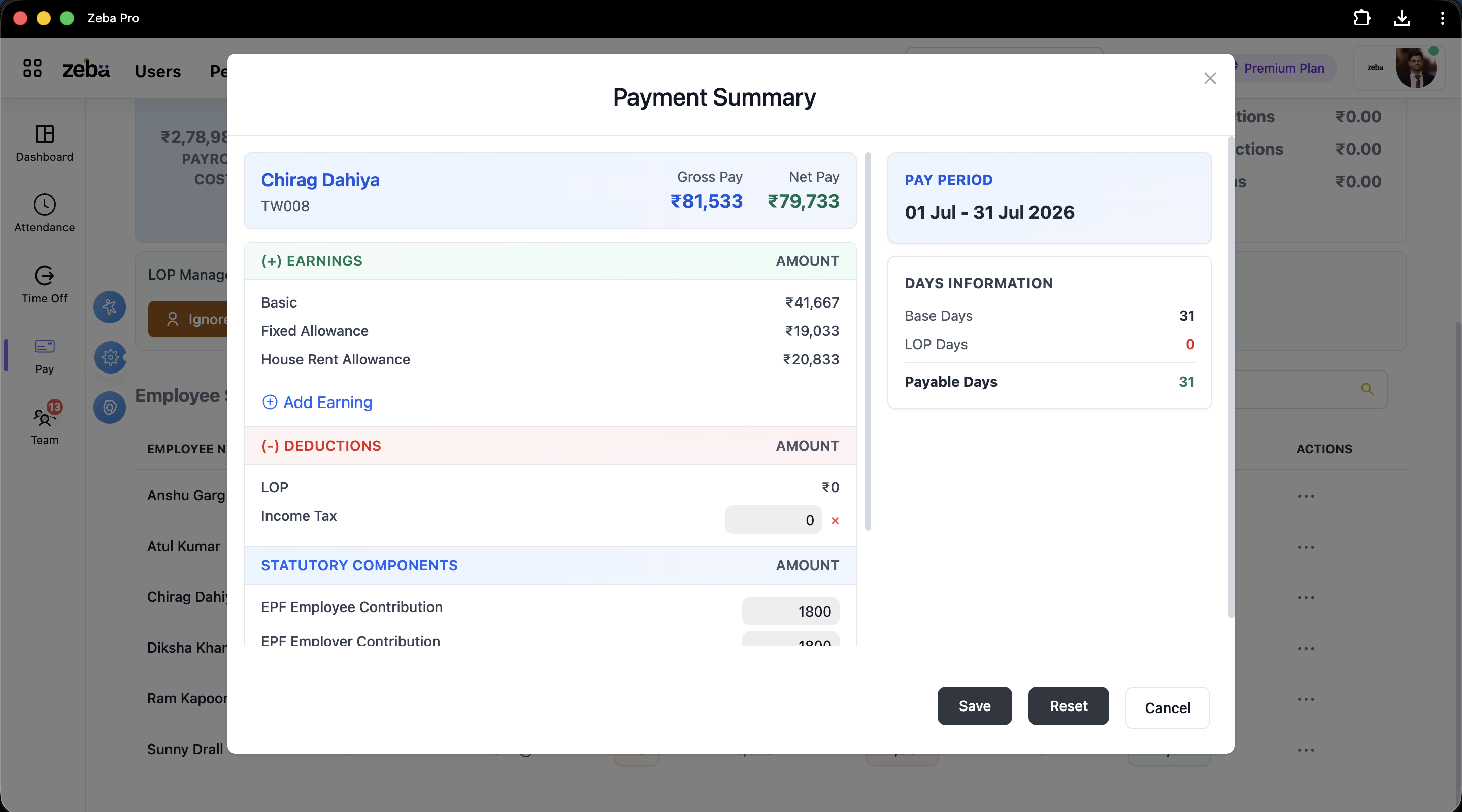
An all-in-one Human Resource Management System (HRMS) is a comprehensive software platform designed to manage various HR functions within an organization. This solution integrates modules for recruiting, payroll, attendance tracking, performance management, and employee benefits, providing a seamless experience for HR professionals and employees alike.
Why Choose an All-in-One HRMS Solution?
With the rise of remote work and a more dynamic workforce, companies are increasingly turning to all-in-one HRMS solutions. These platforms offer several benefits, including:
- Centralized Data Management: All employee data is stored in one system, reducing the risk of errors and duplication.
- Enhanced Compliance: Keeping track of compliance requirements becomes easier with built-in updates and alerts.
- Improved Employee Experience: Employees can access their information, request time off, and review benefits through a single portal.
- Cost Efficiency: Streamlining processes can lead to significant savings in time and resources.
6 Steps to Implementing an All-in-One HRMS Solution
Implementing an all-in-one HRMS solution doesn't have to be a daunting task. Follow these six steps to ensure a smooth transition:
- Identify Your Needs: Assess your current HR processes and identify gaps that need addressing. Consider aspects such as payroll accuracy, employee tracking, and reporting capabilities.
- Research Available Solutions: Explore various HRMS options on the market. Look for platforms that offer the specific features you need, such as compliance management and employee self-service.
- Engage Stakeholders: Involve key stakeholders in the decision-making process. Gather input from HR staff, IT, and employees to ensure the chosen solution meets everyone's needs.
- Plan for Implementation: Develop a clear implementation plan that includes timelines, responsibilities, and training requirements. Ensure all team members are aware of their roles in the process.
- Train Your Team: Provide thorough training for HR staff and employees. Offer resources, such as video tutorials and manuals, to help everyone become comfortable with the new system.
- Monitor and Optimize: After implementation, continuously monitor the system's performance. Gather feedback from users and make necessary adjustments to improve usability and efficiency.
Choosing the Right HRMS Solution
With numerous options available, selecting the right HRMS can seem overwhelming. Consider the following factors when choosing a solution:
- Scalability: Ensure the system can grow with your business.
- Customization: Look for solutions that allow customization to fit your unique workflows.
- Integrations: Check if the HRMS can integrate with your existing tools, such as accounting software or performance management systems.
- User-Friendliness: Opt for a platform that is easy to navigate for both HR staff and employees.
Benefits of an All-in-One HRMS Solution
Investing in an all-in-one HRMS solution brings various advantages:
- Increased Efficiency: Automation of repetitive tasks saves time and reduces human error.
- Better Data Analytics: Comprehensive reporting tools help HR managers make informed decisions based on real-time data.
- Improved Communication: A unified platform fosters better communication between HR and employees, leading to a more engaged workforce.
- Enhanced Compliance: Built-in compliance tools help businesses adhere to regulations, reducing the risk of penalties.
Real-World Example
Consider a mid-sized manufacturing company that struggled with manual payroll processes and employee attendance tracking. By implementing Zeba Pro's all-in-one HRMS solution, they reduced payroll processing time by 2.5 times while achieving a 41% increase in overall efficiency. The automation of time tracking and reporting allowed HR to focus on strategic initiatives rather than administrative tasks.
Key Features to Look for in an HRMS
As you evaluate potential HRMS solutions, keep an eye out for these essential features:
- Recruitment Management: Streamline the hiring process with applicant tracking and assessment tools.
- Payroll Management: Automate payroll calculations, tax deductions, and compliance checks.
- Attendance Tracking: Monitor employee attendance in real-time to optimize workforce management.
- Performance Management: Facilitate employee reviews and feedback processes.
- Employee Self-Service: Empower employees to manage their personal information and requests independently.
Comparing HRMS Solutions
To help with your decision-making process, consider the following comparison table of popular HRMS solutions:
| Feature | Zeba Pro | Zoho People | Keka |
|---|---|---|---|
| Payroll Management | Automated with compliance checks | Manual intervention required | Automated but limited customization |
| Attendance Tracking | Real-time tracking | Basic attendance logging | Real-time but complex setup |
| Performance Management | Integrated feedback tools | Separate module required | Integrated but less intuitive |
| User-Friendliness | Highly intuitive interface | Moderate complexity | Requires training |
Next Steps for Your HR Team
As you embark on the journey to implement an all-in-one HRMS solution, consider taking these next steps:
- Conduct an internal audit of your current HR processes to identify strengths and weaknesses.
- Engage with employees to gather feedback on their needs and preferences in an HRMS.
- Start researching HRMS solutions that align with your identified requirements.
- Develop a detailed project plan that outlines your implementation timeline and responsibilities.
By taking these steps, you position your HR team to leverage the full potential of an all-in-one HRMS solution, ultimately improving efficiency and enhancing the employee experience.
For further reading on best practices and tips for HR management in 2026, consider exploring our articles on streamlining leave management and achieving faster payroll processing.
Related reading
- The All-in-One HRMS Solution Transforming Business Operations in 2026
- The All-in-One HRMS Solution You Need in 2026
- Zoho People vs Keka vs Zeba Pro: Payroll Automation for SMEs
- 11 Hidden Payroll Costs of Leave and Holiday Management
- 11 HR Metrics You Should Track for Effective Payroll Management
- 13 HR Metrics You Should Track for Attendance and Time Management
- 5 HR Metrics You Should Track for Attendance and Time Management
- 50 Employee Live Location Tracking Tips for Effective Management
- 90% of Businesses Risk Inefficiencies Without Live Employee Tracking
- Achieve 2.5x Faster Payroll Processing with Statutory Compliance


