


Choosing the right HR and payroll management tool is essential for small and medium enterprises (SMEs) looking to streamline operations and improve efficiency. In this post, we will compare three prominent platforms: Zoho People, Keka, and Zeba Pro.
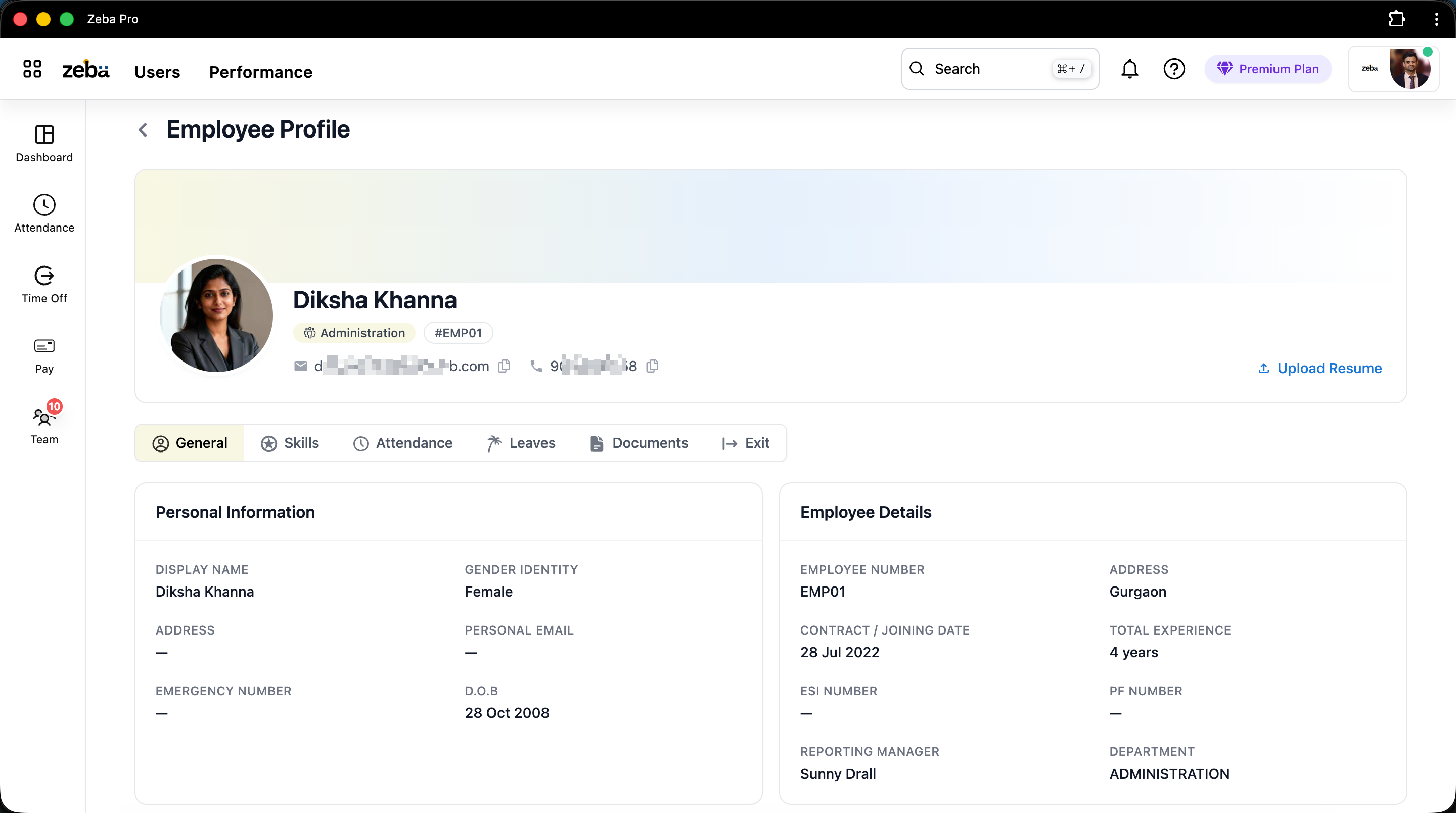
Understanding Payroll Automation for SMEs
Payroll automation is a game changer for SMEs in 2026. It reduces manual errors and saves time, allowing HR teams to focus on strategic initiatives rather than repetitive tasks. With the right solution, businesses can automate salary calculations, deductions, and payouts, which enhances accuracy and compliance.
Why Payroll Automation Matters
For many SMEs, payroll is one of the most complex and time-consuming processes. Manual payroll processing can lead to errors, compliance issues, and decreased employee satisfaction. Automation addresses these challenges by:
- Reducing Errors: Automated systems minimize human error, ensuring accurate calculations.
- Improving Compliance: Keeping up with changing regulations becomes easier with automated updates.
- Saving Time: Automation speeds up processing times, allowing HR teams to focus on other strategic tasks.
- Enhancing Employee Experience: Quick and accurate payroll boosts employee morale and trust.
Comparing Zoho People, Keka, and Zeba Pro
To help you make an informed decision, here’s a detailed comparison of Zoho People, Keka, and Zeba Pro across several key dimensions:
| Feature | Zoho People | Keka | Zeba Pro |
|---|---|---|---|
| Payroll Automation | Offers basic payroll automation with customizable templates. | Comprehensive payroll features with real-time updates. | Advanced payroll automation with statutory compliance features. |
| User Interface | Intuitive but can be overwhelming for new users. | User-friendly with a modern design. | Sleek and easy to navigate interface. |
| Integration Capabilities | Integrates with various Zoho applications, limited third-party integrations. | Wide range of integrations with popular tools. | Robust integration with accounting and HR tools. |
| Customer Support | Standard support with online resources. | Quick response times and extensive online help. | Dedicated support with personalized assistance. |
| Pricing | Varies based on features; competitive pricing for basic plans. | Flexible pricing based on the number of employees. | Value-driven pricing with comprehensive features. |
Key Features of Each Platform
Zoho People
Zoho People is known for its extensive HR capabilities, from onboarding to performance management. It offers:
- Customizable workflows for payroll processing.
- Integration with other Zoho products for a seamless experience.
- Basic reporting tools to track payroll metrics.
Keka
Keka is gaining popularity for its user-friendly interface and robust payroll features. Key highlights include:
- Real-time payroll calculations and updates.
- Self-service portals for employee access to payslips and leave balances.
- Comprehensive reporting tools for better insights.
Zeba Pro
Zeba Pro stands out for its focus on compliance and automation. Its key features are:
- Advanced payroll automation, ensuring compliance with statutory requirements.
- Integration with various third-party applications to enhance functionality.
- Dedicated support to help businesses navigate complex payroll regulations.
Real-World Scenarios and Examples
Let’s explore how each platform can be applied in real-world scenarios:
Scenario 1: Start-up with Basic Needs
A start-up with a small team may find Zoho People sufficient for its basic payroll and HR needs. The customizable templates can help set up payroll quickly, allowing them to focus on growth.
Scenario 2: Growing SME with Complex Needs
A rapidly growing SME may prefer Keka for its comprehensive features. The real-time updates and user-friendly interface can help HR teams manage payroll efficiently, even as the workforce expands.
Scenario 3: Compliance-Focused Business
A company that faces stringent compliance regulations will benefit from Zeba Pro. The advanced payroll automation and dedicated support ensure they remain compliant while managing payroll efficiently.
Practical Takeaways for SMEs
When considering which HR and payroll management tool to choose, SMEs should take the following steps:
- Assess Your Needs: Determine what features are essential for your business operations.
- Consider Scalability: Choose a solution that can grow with your business.
- Evaluate Budget: Compare pricing and ensure it aligns with your budget constraints.
- Request Demos: Take advantage of free trials or demos to see how each platform works in practice.
- Seek Feedback: Consult with your HR team and employees to gauge their preferences and needs.
What’s Next?
As you explore your options for payroll automation, remember that the right tool can significantly impact your HR operations and employee satisfaction. Take the time to assess your specific needs, consider the unique features of each platform, and make an informed decision. With the right choice, your business can achieve streamlined payroll processes, enhanced compliance, and ultimately, a more productive workforce.
By understanding the strengths and weaknesses of Zoho People, Keka, and Zeba Pro, you are better positioned to choose the HR solution that fits your business model best. Start your journey towards efficient payroll processing today!
Related reading
- Payroll Automation for SMEs: A Game Changer in 2026
- Payroll Automation for SMEs: Boost Efficiency in 2026
- Streamlining Payroll Automation for SMEs in 2026
- Top 13 Payroll Automation Benefits for SMEs in 2026
- 11 HR Metrics You Should Track for Effective Payroll Management
- Mastering Attendance and Time Tracking in 2026: Essential Strategies
- Mastering Attendance and Time Tracking in 2026: Key Strategies
- The All-in-One HRMS Solution Transforming Business Operations in 2026
- Understanding Professional Tax in 2026: A Complete Guide for Employers
- Understanding Professional Tax in 2026: A Comprehensive Guide


