


Managing employee leaves and holidays can often feel like a juggling act. But what if you could streamline this process and boost efficiency by 50%? Here, we’ll explore how effective leave and holiday management can transform your HR operations.
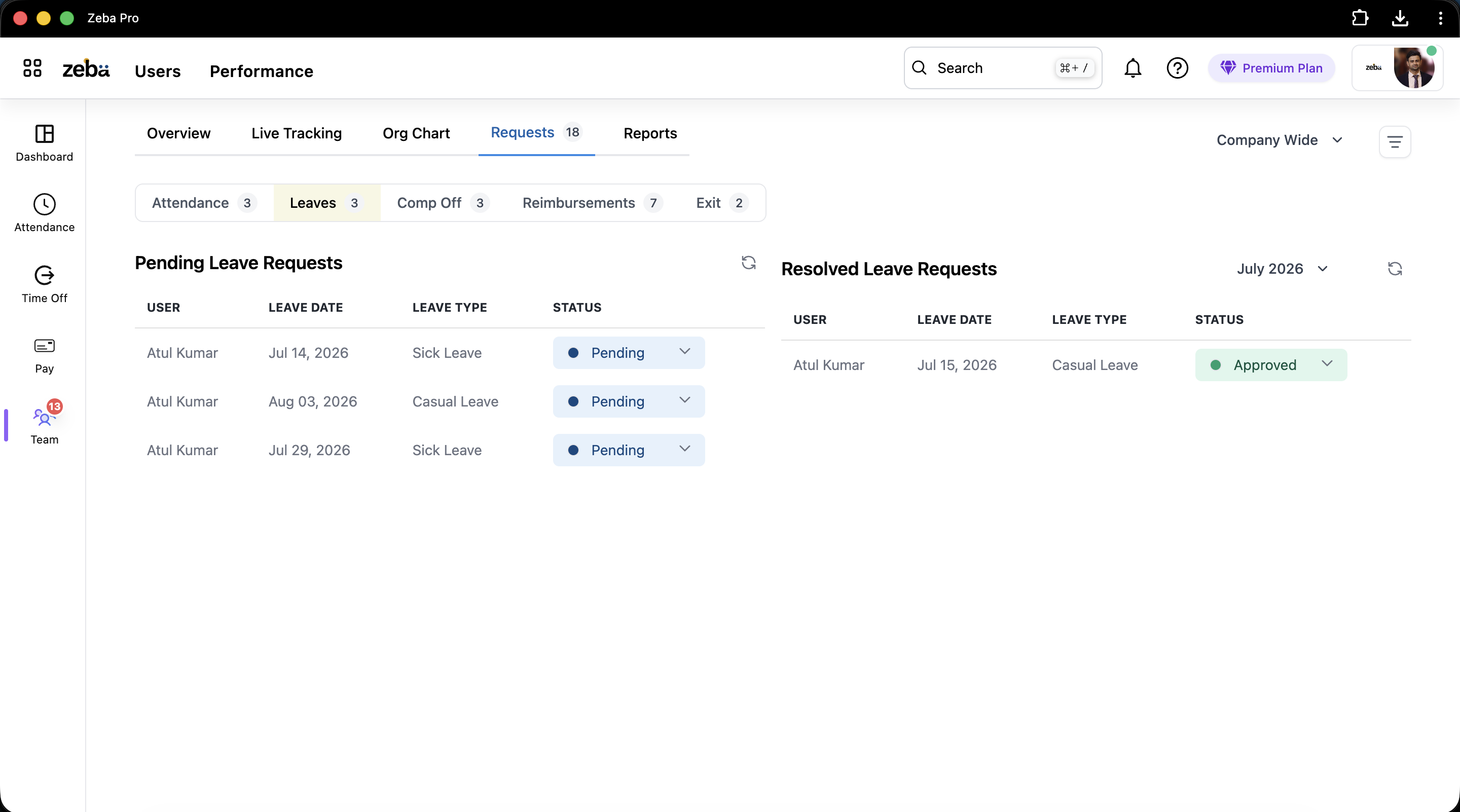
The Importance of Leave and Holiday Management
Leave and holiday management is more than just keeping track of days off. For growing businesses, it’s a critical function that impacts employee satisfaction, productivity, and overall organizational efficiency. When managed effectively, leave management can:- Enhance employee morale by ensuring fair and transparent leave policies.
- Reduce administrative workload and errors associated with manual tracking.
- Ensure compliance with labor laws and regulations.
- Improve productivity by allowing teams to plan better around absences.
Challenges in Leave Management
Even in 2026, many companies struggle with the complexities of leave management, which can lead to:- Inaccurate Leave Balances: Employees may not know their current leave balances, leading to misunderstandings.
- Delayed Approvals: Manual approval processes can lead to delays, frustrating both employees and managers.
- Compliance Risks: Failing to adhere to statutory leave requirements can result in penalties.
- Overlapping Leaves: Without proper visibility, multiple employees might take leave simultaneously, straining resources.
Strategies to Improve Leave Management Efficiency by 50%
To achieve a significant improvement in leave management efficiency, consider implementing the following strategies:1. Automate Leave Requests and Approvals
Automation can drastically reduce the time spent on leave management. Implementing a digital leave management system allows employees to submit requests easily, while managers can approve or deny them with just a few clicks. This can streamline the process and cut down on processing time by as much as 50%.2. Maintain Up-to-Date Leave Balances
Ensure your leave management system automatically updates balances in real-time. This clarity helps employees plan their time off without confusion. A transparent system fosters trust and satisfaction among employees.3. Utilize Leave Tracking Software
Consider using comprehensive leave tracking software that integrates with your existing HR systems. This can centralize data and reduce the possibility of errors that often arise from manual tracking. Platforms like Zeba Pro can help manage employee leave efficiently.4. Create Clear Leave Policies
Having a well-documented leave policy ensures that every employee knows their rights and responsibilities regarding time off. This reduces queries and disputes, leading to smoother operations. Make sure policies are easily accessible and regularly updated to reflect any changes in regulations.5. Implement Analytics for Better Decision-Making
Using analytics tools can help HR teams identify patterns in leave usage, enabling better workforce planning. For example, if you find that many employees take leave during specific times of the year, you can proactively manage workloads to accommodate these absences.6. Foster Open Communication
Encourage employees to communicate their leave needs openly. Regular check-ins can help managers understand their team's workload and potential leave plans, making it easier to plan accordingly.Real-World Example: A Case Study
Consider a mid-sized tech company that struggled with its leave management process. Employees frequently complained about unclear leave balances, and managers faced challenges in planning resources effectively. After implementing Zeba Pro's automated leave management solution, the company saw a 50% reduction in the time taken to process leave requests. The software provided real-time updates on leave balances, allowing employees to make informed decisions about their time off. The HR team also utilized analytics to forecast peak leave times, enabling them to hire temporary staff when needed, further optimizing productivity.Common Mistakes to Avoid in Leave Management
As you streamline your leave management process, keep these common pitfalls in mind:- Neglecting Compliance: Always stay updated with local labor laws regarding leave. Non-compliance can create costly penalties.
- Overcomplicating Processes: Keep your leave request processes straightforward. Complicated procedures can frustrate employees.
- Ignoring Employee Feedback: Regularly solicit feedback from employees on the leave management process to identify areas for improvement.
Best Practices for Leave and Holiday Management in 2026
To ensure your leave management system is effective, follow these best practices:- Choose an integrated HR management system that offers leave management features.
- Train HR personnel and managers on using the system effectively.
- Regularly review and update leave policies based on employee feedback and legal changes.
- Encourage a culture of transparency around leave requests and approvals.
- Utilize employee leave data to enhance workforce planning.
The Role of Technology in Leave Management
With the rapid advancement of technology, leveraging HR software tools can significantly enhance the effectiveness of leave management. Here’s how technology plays a role:- Integration: Modern HR platforms can integrate leave management with payroll systems, ensuring accurate calculations of salaries and deductions based on leave taken.
- Real-time Updates: Automated systems provide real-time notifications for both employees and managers about leave requests and approvals.
- Data Security: Digital systems ensure that sensitive employee data is securely managed and protected.
- Accessibility: Employees can access their leave balances and request time off from anywhere, increasing convenience.
Conclusion: Next Steps for Improving Leave Management
Improving your leave and holiday management process is essential for enhancing efficiency by 50% in 2026. Start by assessing your current leave management practices and identifying areas for improvement. Begin implementing automation and tracking software, and ensure your policies are clear and accessible. Foster open communication within your teams, and don’t hesitate to gather feedback to make continuous improvements. By taking these steps, you can create a leave management system that not only enhances operational efficiency but also boosts employee satisfaction and engagement. Remember, a well-managed leave policy is a fundamental aspect of a thriving workplace. For more insights on optimizing HR processes, check out our blog on best practices for leave management.Related reading
- 11 Hidden Payroll Costs of Leave and Holiday Management
- Leave and Holiday Management: A Comprehensive Guide for 2026
- Leave and Holiday Management: Best Practices for 2026
- 11 HR Metrics You Should Track for Effective Payroll Management
- 13 HR Metrics You Should Track for Attendance and Time Management
- 5 HR Metrics You Should Track for Attendance and Time Management
- 50 Employee Live Location Tracking Tips for Effective Management
- Mastering Attendance and Time Tracking in 2026: Essential Strategies
- 90% of Businesses Risk Inefficiencies Without Live Employee Tracking
- Achieve 2.5x Faster Payroll Processing with Statutory Compliance


