


Statutory compliance can feel overwhelming, but it’s the key to achieving payroll efficiency-up to 2.5x faster! Let’s explore the statutory components you need to master for streamlined payroll processing.
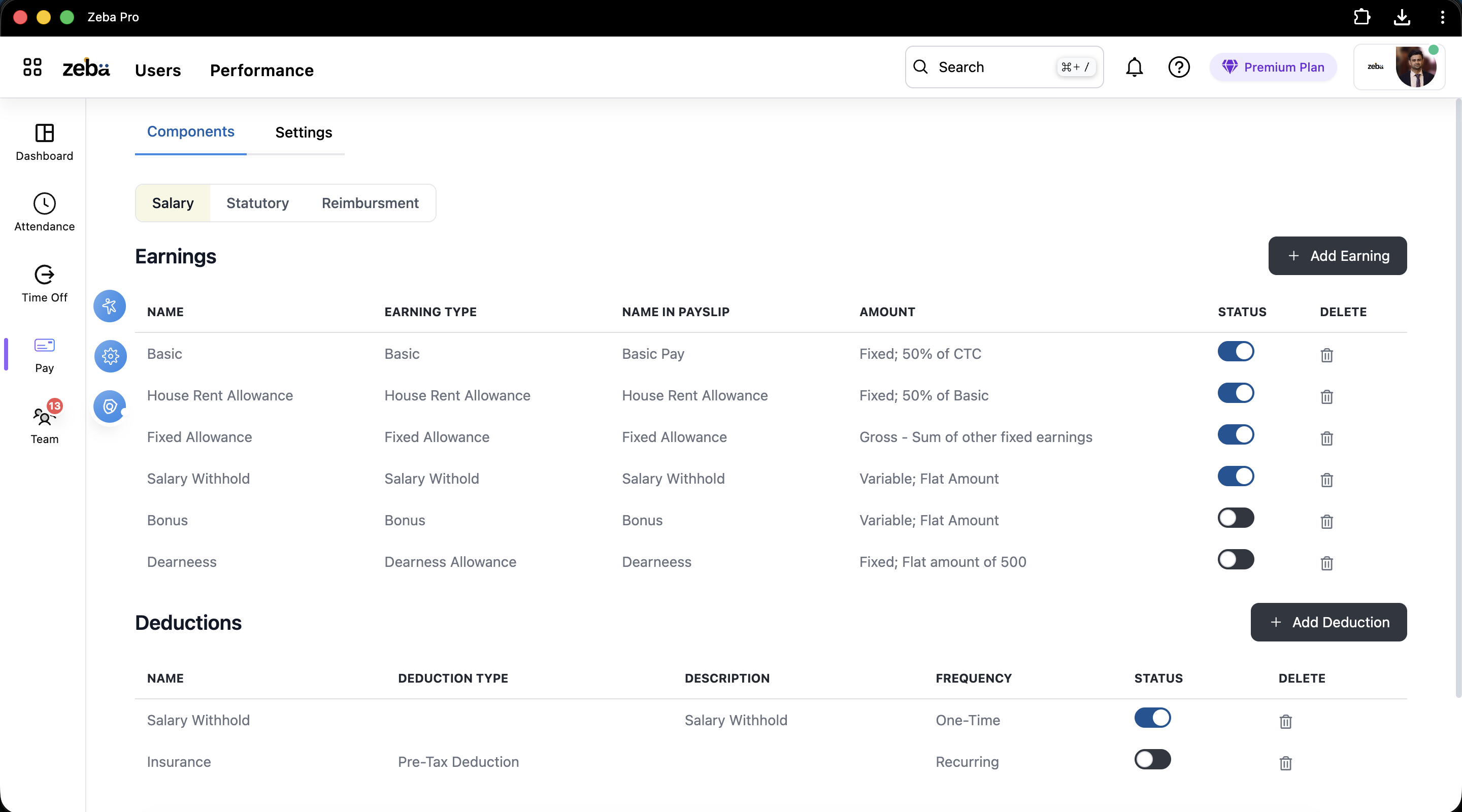
Understanding Statutory Components in India
In India, businesses must adhere to numerous statutory components that govern payroll and employee management. These components are not just legal obligations; they play a crucial role in ensuring smooth operations and fostering a positive work environment.
What Are Statutory Components?
Statutory components refer to the mandatory regulations that organizations must follow concerning employee compensation, benefits, and workplace rights. These regulations vary by state and industry but generally include:
- Provident Fund (PF)
- Employee State Insurance (ESI)
- Professional Tax (PT)
- Gratuity
- Minimum Wages
- Labour Welfare Fund
Understanding these components is essential for businesses to maintain compliance and avoid penalties.
Key Statutory Components Explained
1. Provident Fund (PF)
The Provident Fund is a savings scheme for employees, where both the employer and the employee contribute a percentage of the employee's salary. The current contribution rate is 12% from both parties, which accumulates with interest over time.
Failure to comply with PF regulations can result in hefty fines and legal repercussions. Therefore, it’s crucial to ensure accurate calculations and timely remittances.
2. Employee State Insurance (ESI)
ESI is a health insurance scheme for employees earning below a certain wage threshold. Employers contribute 3.25% of the employee's salary, while employees contribute 0.75%. This scheme provides medical, maternity, and disability benefits to employees.
3. Professional Tax (PT)
Professional Tax is a tax levied by state governments on income earned by individuals. The rates vary from state to state, and employers must deduct this tax from employees' salaries and remit it to the government. Non-compliance can lead to penalties, making it vital to stay updated with your state's PT rules.
4. Gratuity
Gratuity is a lump sum payment made to employees upon termination of service after completing five continuous years of employment. The amount is calculated based on the employee's last drawn salary and the number of years worked.
5. Minimum Wages
Employers are required to pay their employees at least the minimum wage set by the government. This varies by industry and location, making it essential for businesses to stay informed about applicable rates.
6. Labour Welfare Fund
This fund is created by the state government to promote the welfare of workers. Employers are required to contribute a nominal amount per employee, which is used to finance various welfare activities.
The Importance of Statutory Compliance
Compliance with statutory regulations not only avoids penalties but also enhances your organization's reputation. Here are some reasons why you should prioritize statutory compliance:
- Reduces Risk: Complying with regulations minimizes the risk of legal action against your business.
- Increases Employee Trust: Employees are more likely to trust and remain loyal to a company that adheres to regulations.
- Enhances Operational Efficiency: Streamlined processes lead to faster payroll processing, making your HR operations significantly more efficient.
Automation: The Key to Compliance and Efficiency
In 2026, businesses are leveraging automation to simplify compliance and improve payroll processing times dramatically. Here’s how:
1. Automated Calculations
Payroll software can automatically calculate deductions for PF, ESI, and other statutory components. This reduces human error and ensures compliance with the latest regulations.
2. Timely Remittances
Automation ensures that contributions and taxes are remitted on time, reducing the risk of penalties for late payments.
3. Real-time Updates
Automated systems provide real-time updates on statutory changes, ensuring that your business remains compliant without constant manual checks.
Practical Steps for Statutory Compliance
1. Understand the Regulations
Stay informed about the statutory regulations applicable to your business. Resources like Understanding Statutory Components in India: A 2026 Guide for Businesses can help.
2. Use Payroll Management Tools
Invest in a robust payroll management system that automates calculations and remittances. Tools like Zeba Pro can enhance your payroll efficiency by up to 2.5x.
3. Regular Training for HR Staff
Ensure your HR team is well-versed in current regulations and compliance best practices. Regular training sessions can keep them updated and prepared.
Comparison of Manual vs. Automated Payroll Processing
| Aspect | Manual Processing | Automated Processing |
|---|---|---|
| Time Efficiency | Time-consuming, prone to delays | 2.5x faster payroll processing |
| Error Rate | High due to manual calculations | Significantly reduced errors |
| Regulation Compliance | Difficult to keep up with changes | Real-time updates ensure compliance |
| Employee Satisfaction | Frustrations due to pay discrepancies | Higher satisfaction with timely payments |
Real-World Example
Consider a mid-sized tech company that switched from manual to automated payroll processing. Before automation, they faced frequent compliance issues, leading to fines and employee dissatisfaction. After implementing a payroll management system, they not only achieved regulatory compliance but also reduced payroll processing time by 2.5x, significantly boosting employee morale and trust.
Final Takeaways
Understanding and managing statutory components is vital for every business in India. By prioritizing compliance and leveraging automation, you can significantly improve payroll processing efficiency while ensuring your employees are satisfied and trust your organization.
As you move forward, consider these actionable steps:
- Review your current payroll processes and identify areas for improvement.
- Implement an automated payroll management system that suits your business needs.
- Stay informed about statutory changes by following resources like Navigating HR Compliance and Statutory Workflows in 2026.
By taking these steps, you will not only comply with regulations but also enhance your payroll processes, making your organization more efficient and employee-friendly.
Related reading
- Understanding Statutory Components for Businesses in India in 2026
- Understanding Statutory Components in 5 Essential Steps
- Understanding Statutory Components in India: A 2026 Guide for Businesses
- Navigating HR Compliance and Statutory Workflows in 2026
- 11 Hidden Payroll Costs of Leave and Holiday Management
- 11 HR Metrics You Should Track for Effective Payroll Management
- 5 HR Metrics You Should Track for Attendance and Time Management
- 50 Employee Live Location Tracking Tips for Effective Management
- 90% of Businesses Risk Inefficiencies Without Live Employee Tracking
- Leave and Holiday Management: A Comprehensive Guide for 2026


