


In the ever-evolving landscape of HR and payroll management, understanding statutory components is imperative for businesses operating in India. Whether you are a startup or an established enterprise, compliance with statutory regulations can significantly impact your operations.
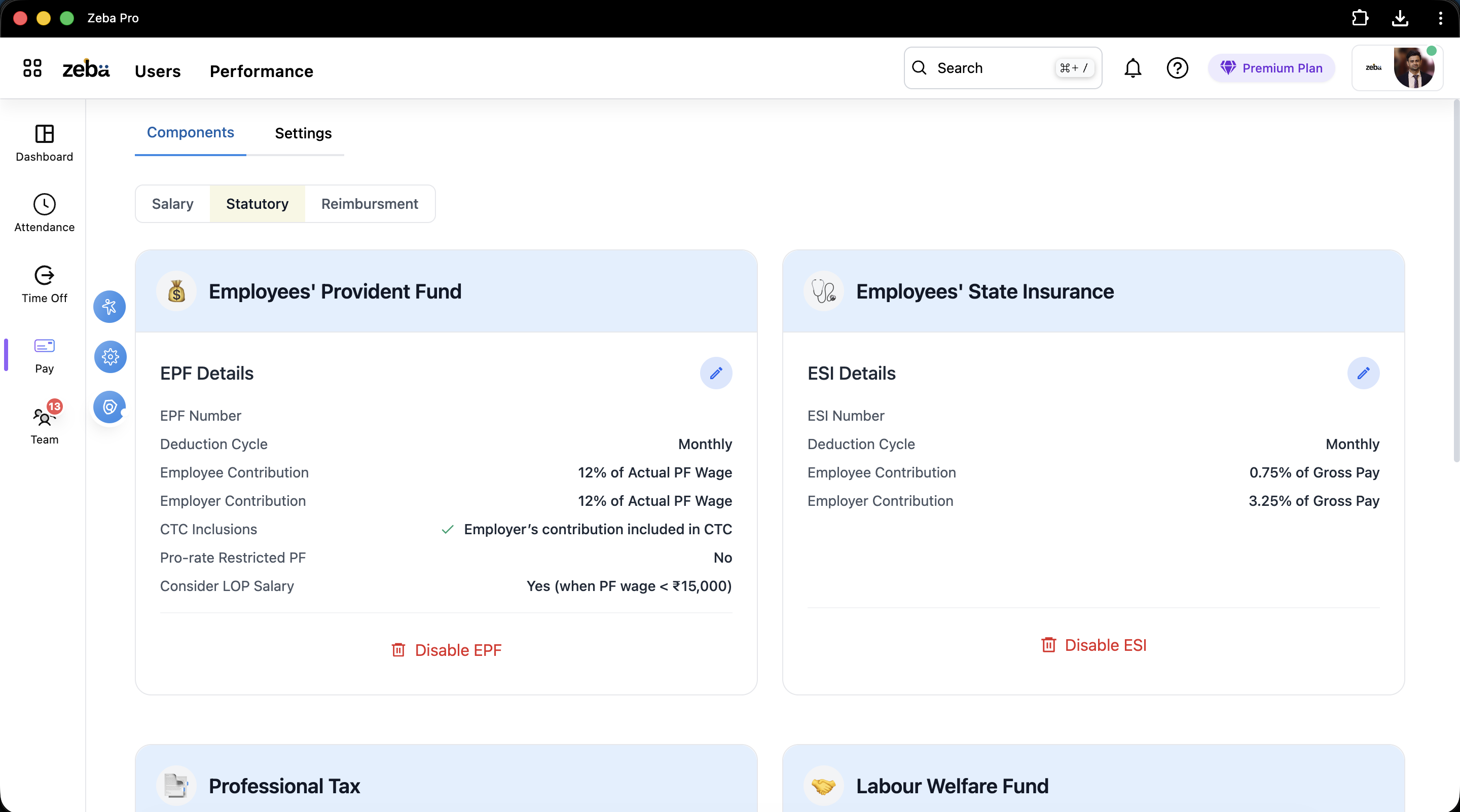
What are Statutory Components?
Statutory components refer to the mandatory requirements set by the government that businesses must adhere to. These components encompass various aspects of employee management, including payroll, taxation, and workplace safety. In India, statutory compliance plays a crucial role in ensuring that organizations operate within the legal framework, protecting both the employees and the employers.
5 Essential Steps to Understand Statutory Components
- Identify Relevant Statutory Laws: The first step in navigating statutory compliance is identifying the laws applicable to your business. In India, key statutory laws include:
- The Employees' Provident Funds and Miscellaneous Provisions Act, 1952
- The Employees' State Insurance Act, 1948
- The Payment of Wages Act, 1936
- The Minimum Wages Act, 1948
- The Maternity Benefit Act, 1961
- The Industrial Disputes Act, 1947
- Understand Compliance Obligations: Each statutory law comes with specific compliance obligations. For instance, under the Employees' Provident Funds and Miscellaneous Provisions Act, employers must contribute a percentage of the employee's salary towards the provident fund. Familiarize yourself with these obligations to avoid penalties and ensure compliance.
- Implement Necessary Processes: Setting up processes to ensure compliance is crucial. This may involve establishing a payroll system that accurately calculates deductions for taxes, provident funds, and insurance. Automating these processes can enhance efficiency and minimize errors. For insights on payroll automation, check out our article on Payroll Automation for SMEs: A Game Changer in 2026.
- Regularly Review and Update Policies: Statutory laws may change, and it is vital to stay updated. Regularly reviewing and updating your HR policies can help ensure ongoing compliance. This includes keeping track of any amendments to existing laws or the introduction of new regulations.
- Train Your Team: Ensuring that your HR and payroll teams are knowledgeable about statutory requirements is essential. Conduct regular training sessions to keep your team informed about compliance changes and best practices. You can find best practices for leave and holiday management in our guide at Leave and Holiday Management: Best Practices for 2026.
Key Statutory Components Explained
To further understand the importance of statutory components, let’s explore some critical elements in detail:
1. Employees' Provident Fund (EPF)
The EPF is a retirement savings scheme for employees, where both the employer and employee contribute a specified percentage of the employee’s salary. This fund helps provide financial security to employees after retirement.
2. Employees' State Insurance (ESI)
The ESI scheme provides medical and financial assistance to employees in case of sickness, maternity, or employment injury. It is mandatory for organizations with more than 10 employees.
3. Professional Tax
Professional tax is a state-level tax levied on income earned by professionals and is applicable in certain states in India. Employers need to deduct this tax from employees' salaries and deposit it with the government. For a comprehensive overview, refer to our article on Understanding Professional Tax in 2026: A Complete Guide for Employers.
4. Gratuity
Gratuity is a statutory benefit paid to employees upon termination of service after five years of continuous employment. It acts as a reward for the employee’s contribution to the organization.
Compliance Checklist for Businesses
Here is a compliance checklist that businesses can follow to ensure adherence to statutory components:
- Review applicable statutory laws for your business
- Implement payroll systems to manage deductions
- Regularly update HR policies based on legal changes
- Conduct employee training on statutory requirements
- Keep records of compliance activities and reports
Comparison of Statutory Compliance vs. Non-Compliance
| Aspect | Statutory Compliance | Non-Compliance |
|---|---|---|
| Legal Standing | Adheres to laws and regulations | Risk of legal penalties and fines |
| Employee Trust | Builds trust and morale | Can damage employee relations |
| Financial Implications | Avoids unnecessary costs | Potential for significant financial liabilities |
| Business Reputation | Enhances company reputation | Can lead to reputational damage |
Real-World Examples of Compliance Challenges
Many organizations struggle with compliance due to the complexity of statutory requirements. For instance, a manufacturing company faced severe penalties for failing to register under the ESI Act. This oversight not only resulted in fines but also impacted employee morale and trust.
Another example is a tech startup that neglected to deduct professional tax from employee salaries. This resulted in back payments and additional penalties, highlighting the need for meticulous payroll management.
Practical Takeaways for Businesses
Understanding statutory components is not just about compliance; it is about creating a safe and productive work environment. Here are some practical takeaways:
- Invest in HR technology that automates compliance processes.
- Engage with legal experts to ensure your policies are up to date.
- Foster a culture of compliance within your organization.
- Regularly communicate with employees about their rights and benefits.
Next Steps for Your Organization
As you move forward, take the time to conduct a thorough audit of your current compliance status. Identify areas that need improvement and develop a strategic plan to address them. Utilize resources such as our blog on Navigating HR Compliance and Statutory Workflows in 2026 to help guide your efforts.
By prioritizing statutory compliance, you will not only meet legal obligations but also create a positive workplace culture that fosters employee satisfaction and loyalty.
Related reading
- Understanding Statutory Components for Businesses in India in 2026
- Understanding Statutory Components in India: A 2026 Guide for Businesses
- Navigating HR Compliance and Statutory Workflows in 2026
- 50 Employee Live Location Tracking Tips for Effective Management
- Leave and Holiday Management: A Comprehensive Guide for 2026
- Leave and Holiday Management: Best Practices for 2026
- Mastering Attendance and Time Tracking in 2026: Essential Strategies
- Mastering Attendance and Time Tracking in 2026: Key Strategies
- Payroll Automation for SMEs: A Game Changer in 2026
- Payroll Automation for SMEs: Boost Efficiency in 2026


