


Statutory compliance is critical for businesses in India to ensure legal adherence and operational efficiency. In 2026, navigating these components is more important than ever.
Understanding Statutory Components
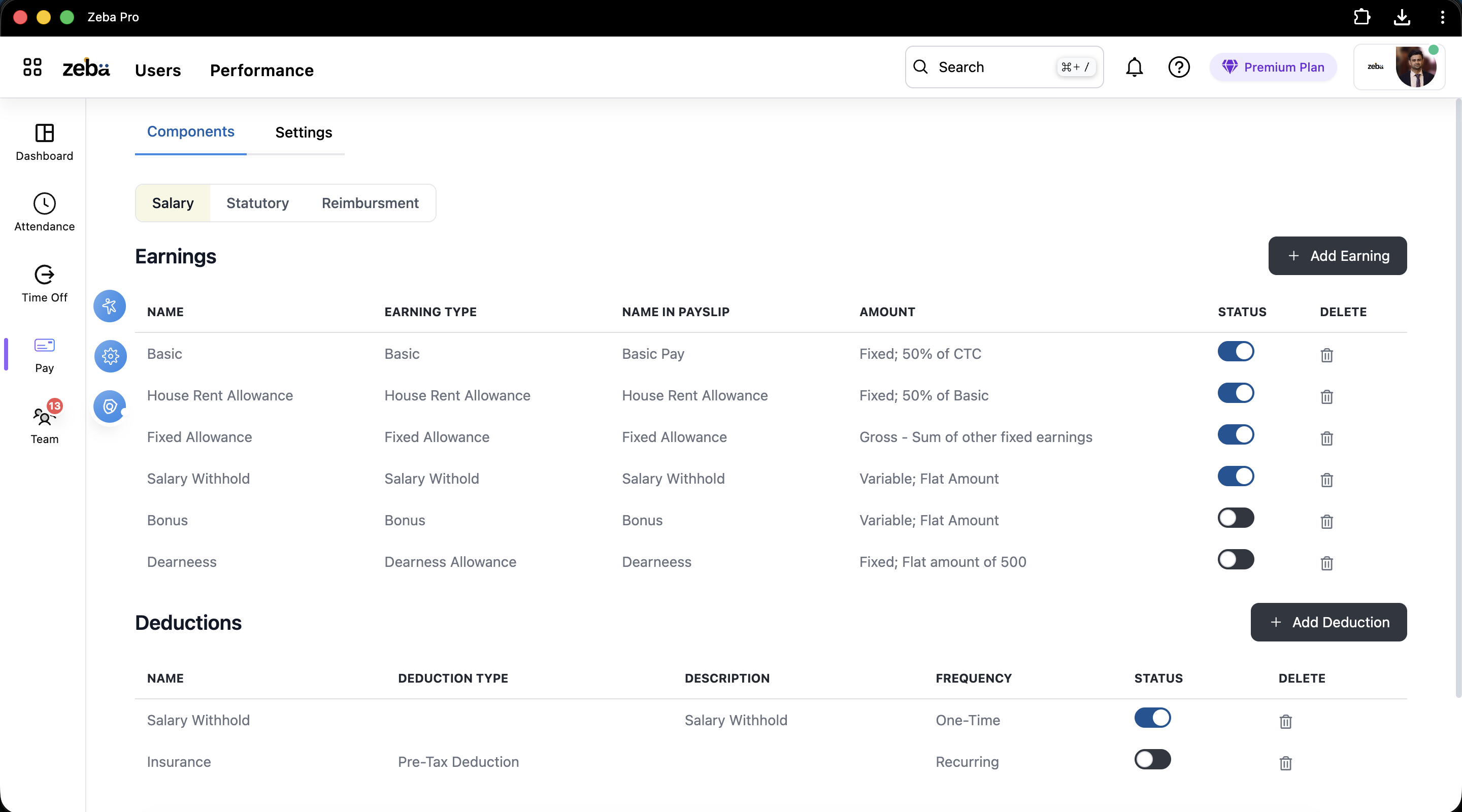
Statutory components encompass the legal requirements that businesses must adhere to regarding employee welfare, taxation, and workplace safety. These regulations are designed to protect employees and ensure fair treatment across industries. Understanding these components not only helps businesses avoid penalties but also fosters a positive workplace culture.
Key Statutory Components Businesses Should Know
As of 2026, the following statutory components are essential for businesses operating in India:
- Provident Fund (PF)
- Employee State Insurance (ESI)
- Professional Tax (PT)
- Gratuity
- Payroll Compliance
- Labour Welfare Fund
1. Provident Fund (PF)
The Employees' Provident Fund (EPF) is a retirement benefit scheme that is available to all salaried employees in India. Under this scheme, both the employer and employee contribute a percentage of the employee's salary to the fund. This contribution ensures a secure future for employees once they retire or leave the organization.
As of 2026, the contribution rates are:
- Employee Contribution: 12% of basic salary
- Employer Contribution: 12% of basic salary
Employers must ensure timely submission of contributions to avoid penalties.
2. Employee State Insurance (ESI)
ESI is a self-financing social security and health insurance scheme for Indian workers. It provides medical and cash benefits to employees in case of sickness, maternity, or employment injury. As of 2026, the ESI contribution rates are:
- Employee Contribution: 0.75% of gross salary
- Employer Contribution: 3.25% of gross salary
Employers are responsible for registering eligible employees and ensuring timely payment of contributions.
3. Professional Tax (PT)
Professional tax is a tax levied by state governments on professions, trades, and employments. The amount varies by state, but it is capped at a maximum of INR 2,500 per year. In 2026, employers must deduct this tax from employees’ salaries and remit it to the state government. Compliance requires:
- Registration with the respective state government.
- Timeliness in remitting deducted amounts.
4. Gratuity
Gratuity is a statutory benefit for employees who have served in an organization for five years or more. It is a form of retirement benefit that provides a lump sum payment to employees upon leaving the organization. The formula for calculating gratuity is:
Gratuity = (Last drawn salary × 15/26) × Number of years of service
Employers are required to maintain a gratuity fund and ensure timely payment upon employee exit.
5. Payroll Compliance
Payroll compliance involves adhering to various labor laws and regulations concerning employee compensation. This includes ensuring accurate salary calculations, timely payments, and proper record-keeping. Non-compliance can lead to hefty fines and legal repercussions. Important aspects include:
- Maintaining pay slips and records of all deductions.
- Complying with minimum wage regulations.
In 2026, businesses must leverage technology for accurate payroll management to avoid discrepancies.
6. Labour Welfare Fund
The Labour Welfare Fund is a statutory fund established to promote the welfare of workers. Contributions are collected from both employers and employees, and the fund is used for various welfare measures. Employers must ensure compliance by:
- Contributing to the welfare fund as per state regulations.
- Utilizing the funds for employee welfare initiatives.
Comparative Overview of Statutory Compliance Components
| Component | Employee Contribution | Employer Contribution | Key Compliance Requirement |
|---|---|---|---|
| Provident Fund | 12% | 12% | Timely submission of contributions |
| Employee State Insurance | 0.75% | 3.25% | Registration and payment compliance |
| Professional Tax | Varies by state | Varies by state | State registration and timely payments |
| Gratuity | N/A | N/A | Maintain gratuity fund and timely payment |
| Payroll Compliance | N/A | N/A | Accurate records of deductions and payments |
| Labour Welfare Fund | Varies by state | Varies by state | Contributions to welfare initiatives |
Best Practices for Statutory Compliance
To ensure compliance with statutory requirements, businesses should adopt the following best practices:
- Stay updated with the latest regulations and amendments in labor laws.
- Implement reliable payroll software for accurate calculations and timely submissions.
- Conduct regular audits to identify compliance gaps.
- Train HR personnel on statutory requirements and compliance processes.
- Engage legal advisors or compliance specialists as needed.
Conclusion: Next Steps for Businesses
In 2026, businesses must prioritize statutory compliance to ensure smooth operations and employee satisfaction. Start by reviewing your current compliance status, identifying gaps, and taking corrective measures. Embrace technology solutions for payroll and HR management, which can significantly reduce the risk of non-compliance. For more insights on statutory components and best practices, check out our resources on [Zeba Pro's blog](https://zeba.pro/blogs).
Related reading
- Achieve 2.5x Faster Payroll Processing with Statutory Compliance
- Understanding Statutory Components for Businesses in India in 2026
- Understanding Statutory Components in 5 Essential Steps
- Understanding Statutory Components in India: A 2026 Guide for Businesses
- Navigating HR Compliance and Statutory Workflows in 2026
- 11 Hidden Payroll Costs of Leave and Holiday Management
- 11 HR Metrics You Should Track for Effective Payroll Management
- 13 HR Metrics You Should Track for Attendance and Time Management
- 5 HR Metrics You Should Track for Attendance and Time Management
- 50 Employee Live Location Tracking Tips for Effective Management


