


In the ever-evolving landscape of human resources and payroll management, businesses constantly seek ways to optimize operations and reduce costs. One area that has shown remarkable potential for efficiency gains is professional tax management.
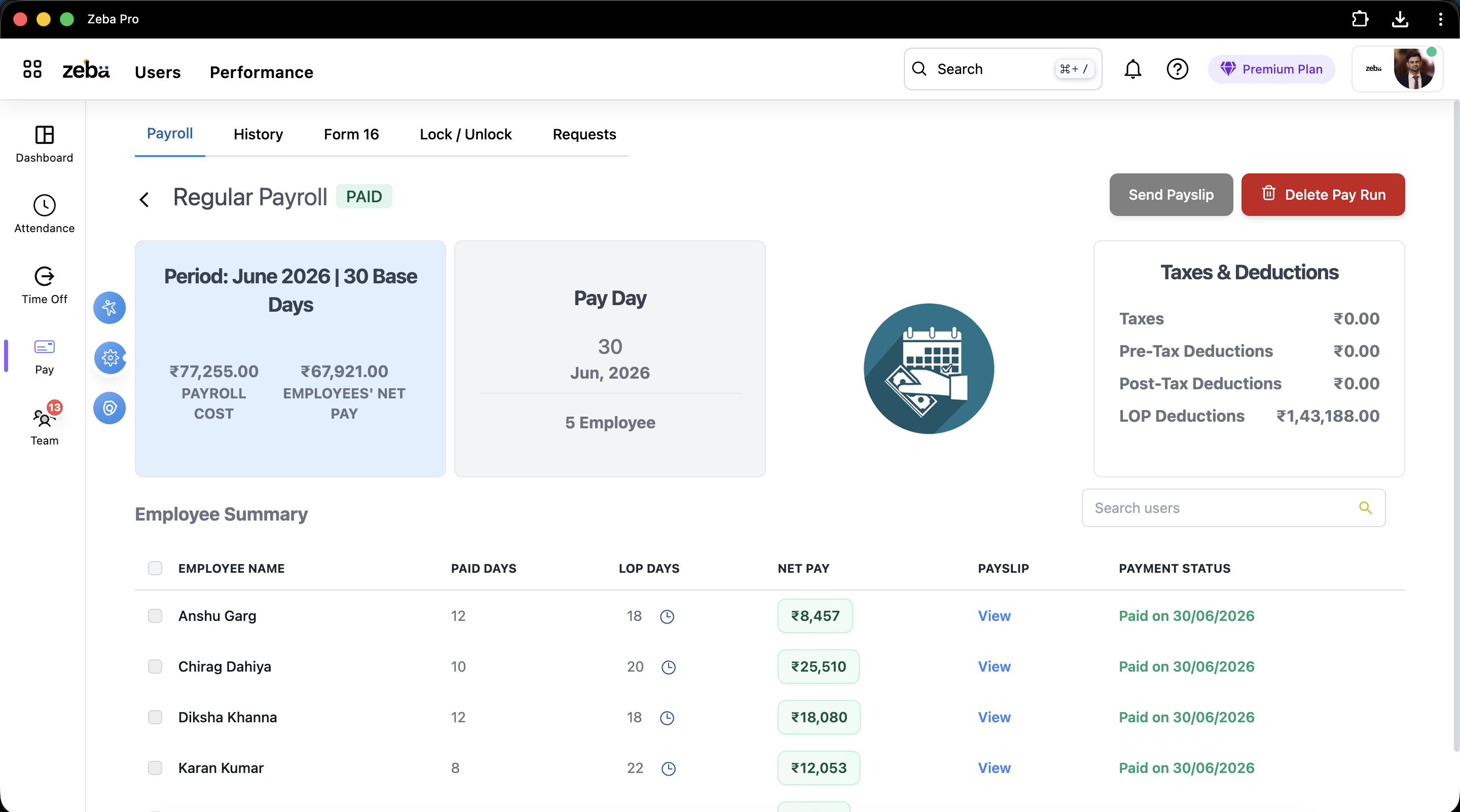
Understanding Professional Tax
Professional tax is a tax levied by state governments on individuals engaged in professions or trades. The amount varies based on the state and is often calculated based on the income earned. The tax is typically paid by employers on behalf of their employees, making it crucial for HR teams to understand their responsibilities completely.
The Importance of Professional Tax Compliance
Compliance with professional tax regulations is essential for businesses to avoid penalties and maintain a good standing with tax authorities. Failing to comply can lead to:
- Financial penalties
- Legal issues
- Damage to the company's reputation
In 2026, the stakes are higher than ever. With the increased focus on compliance, businesses must ensure they have robust processes in place to manage professional tax efficiently.
How Professional Tax Management Drives Efficiency
Effective professional tax management can lead to significant efficiency gains. In a recent case study, a composite company implemented a streamlined professional tax management system and achieved a 41% improvement in efficiency. Here’s how they did it:
1. Automation of Tax Calculations
One of the most significant challenges in managing professional tax is ensuring accurate calculations. By automating tax calculations based on employee location, the company reduced manual errors and saved valuable time. This automation ensured that:
- Employees were accurately taxed according to state laws
- Payroll processing time was significantly reduced
As a result, their payroll department could focus on strategic initiatives rather than getting bogged down in administrative tasks.
2. Integrated Payroll Systems
Integrating professional tax management with payroll systems allowed for seamless data transfer and real-time updates. For example, when an employee relocated, the system automatically adjusted the tax calculations based on the new location, eliminating the need for manual updates. This integration led to:
- Fewer errors in payroll processing
- Enhanced employee experience, as they were less likely to face discrepancies in their payslips
3. Simplified Compliance Tracking
With regulatory requirements constantly changing, staying compliant can be a daunting task. The company utilized compliance tracking tools that provided real-time updates on changes in professional tax laws. This proactive approach ensured that:
- The company remained compliant with minimal effort
- HR teams could focus on other critical areas of business
Real-World Example: A Case Study
Consider a composite firm, "XYZ Corp", with 200 employees across multiple states. Before implementing a professional tax management system, they faced challenges such as:
- High manual entry errors
- Inconsistent compliance practices across state lines
- Employee queries about tax discrepancies
Upon automation and integration of their HR and payroll systems, XYZ Corp saw a transformation. They reported:
- 41% reduction in time spent on payroll processing
- 30% decrease in employee queries related to tax issues
- Increased employee satisfaction due to accurate and timely payroll
Breaking Down the ROI: A Detailed Comparison
To understand the impact of the new system, let’s look at a comparison table of the old vs. new processes at XYZ Corp.
| Process | Old System | New System |
|---|---|---|
| Time Spent on Payroll Processing | 10 hours/week | 5.9 hours/week |
| Manual Errors in Tax Calculation | 15 errors/month | 2 errors/month |
| Employee Queries about Payroll | 50 queries/month | 35 queries/month |
| Compliance Penalties | $5,000/year | $0/year |
Key Takeaways for Your Business
As we navigate through 2026, it is vital for businesses to leverage technology in managing professional tax. Here are some practical steps to consider:
- Evaluate Current Processes: Analyze your existing professional tax management processes to identify inefficiencies.
- Invest in Technology: Consider investing in an integrated HR and payroll platform that automates tax calculations and compliance tracking.
- Train Your HR Team: Ensure your HR team is well-versed in the latest compliance regulations and tools available.
- Monitor and Adjust: Regularly review your processes and make adjustments as needed to stay compliant and efficient.
Conclusion: Moving Forward with Professional Tax Management
Professional tax management is not just about compliance; it is also about enhancing operational efficiency and employee satisfaction. By taking proactive steps, like automating processes and integrating systems, businesses can achieve significant gains in efficiency. In 2026, the focus on technology-driven solutions will be more critical than ever.
To explore more about how to streamline your payroll processes and enhance compliance, consider reading our blog on Simplify Payroll with Professional Tax Management: Gain 41% Efficiency.
As you reflect on how to implement these changes, remember that the goal is to create a smoother, more efficient payroll experience for both your HR team and your employees.
Related reading
- Simplify Payroll with Professional Tax Management: Gain 41% Efficiency
- Understanding Professional Tax in 2026: A Complete Guide for Employers
- Understanding Professional Tax in 2026: A Comprehensive Guide
- 11 Hidden Payroll Costs of Leave and Holiday Management
- 11 HR Metrics You Should Track for Effective Payroll Management
- 13 HR Metrics You Should Track for Attendance and Time Management
- 5 HR Metrics You Should Track for Attendance and Time Management
- 50 Employee Live Location Tracking Tips for Effective Management
- 90% of Businesses Risk Inefficiencies Without Live Employee Tracking
- Achieve 2.5x Faster Payroll Processing with Statutory Compliance


