


Understanding and managing professional tax effectively can lead to significant efficiency gains for your payroll operations. In fact, companies that streamline their professional tax processes have reported up to a 41% improvement in efficiency.
What is Professional Tax?
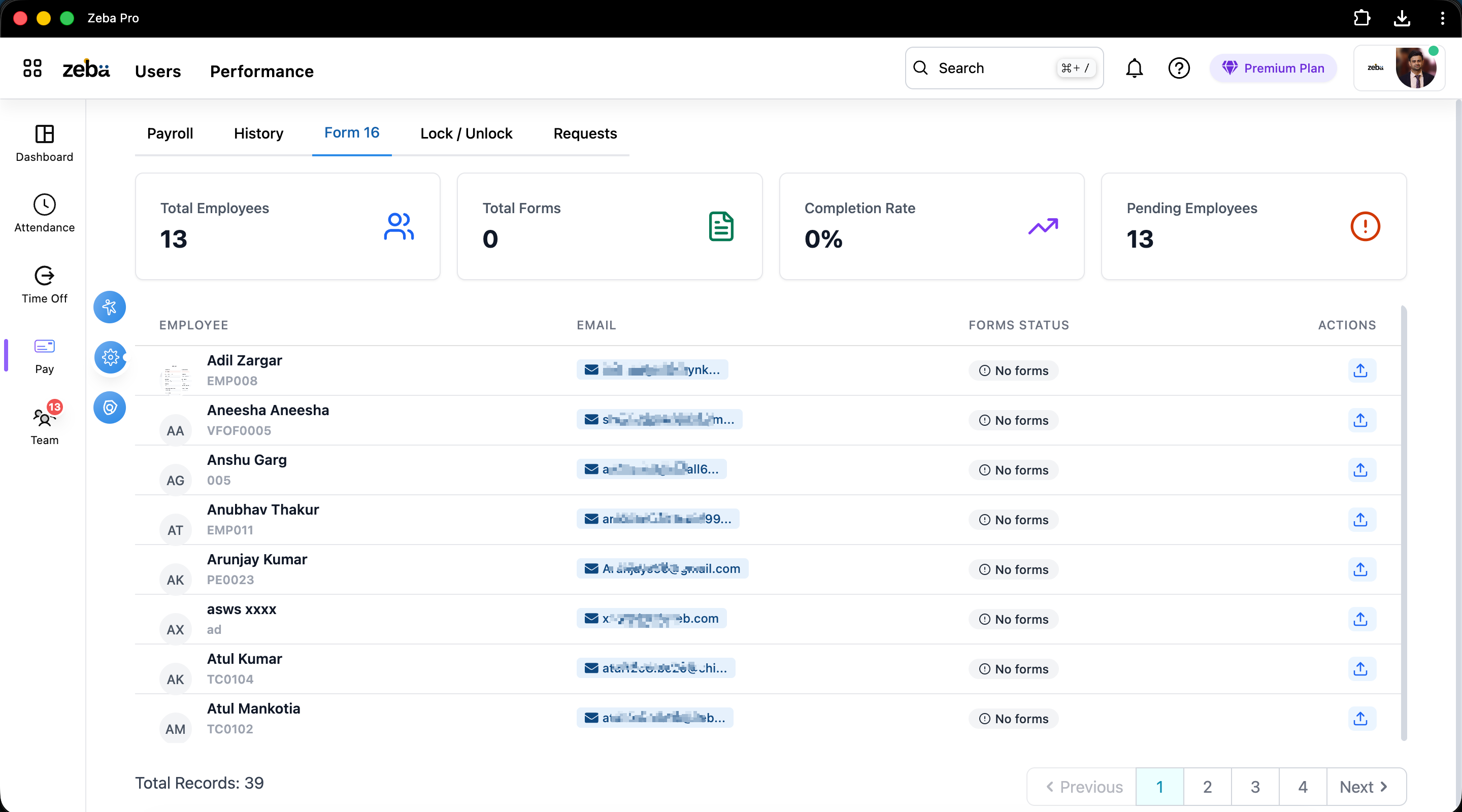
Professional tax is a tax levied by state governments on individuals and professionals earning an income. This tax can vary from state to state, and it is important for employers to understand the specific requirements applicable to their workforce based on location.
In 2026, many businesses are still grappling with the complexities of professional tax compliance. This tax is generally deducted from an employee's salary and is usually calculated based on the income level of the employee. Understanding the nuances of professional tax can help streamline payroll processes and improve overall efficiency.
Why is Professional Tax Important for Employers?
- Compliance: Ensuring that professional tax is accurately calculated and remitted helps avoid potential legal issues and penalties.
- Employee Satisfaction: Proper management of professional tax contributes to a smooth payroll process, which can enhance employee trust and satisfaction.
- Financial Planning: Accurate tax calculations can assist businesses in financial forecasting and budget management.
How to Manage Professional Tax Effectively?
Managing professional tax can seem daunting, but with a structured approach, it can become a seamless part of your payroll operations. Here are some steps to consider:
- Understand State Regulations: Each state has its own regulations regarding professional tax. Familiarize yourself with the specific rules in your state and any changes in regulations for 2026.
- Implement Automated Solutions: Utilizing payroll management software can automate tax calculations, ensuring accuracy and reducing the chances of human error.
- Regular Training for HR Staff: Keep your HR staff updated on changes in professional tax laws to ensure compliance and efficiency in payroll processing.
- Monitor Employee Locations: Since professional tax varies by location, tracking where employees are working can help ensure that the correct tax is applied.
- Review and Audit: Regularly auditing your payroll processes can help identify inefficiencies and areas for improvement.
Impact of Automation on Professional Tax Management
In 2026, businesses are increasingly turning to automation to enhance their payroll processes. Automated payroll systems can significantly reduce the time spent on calculating professional tax, allowing HR teams to focus on more strategic initiatives. Here are some benefits of automation:
- Accuracy: Automated systems minimize the risk of errors in tax calculations.
- Time Savings: Automation can reduce the time spent on payroll processing by up to 41%.
- Real-Time Updates: Automated systems allow for real-time updates on tax regulations and employee location changes.
A Comparison of Manual vs. Automated Professional Tax Management
| Feature | Manual Management | Automated Management |
|---|---|---|
| Time Efficiency | High time consumption | 41% time savings |
| Error Rate | Higher chance of errors | Minimized errors |
| Compliance Updates | Manual tracking required | Real-time updates |
| Employee Satisfaction | Inconsistent payroll | Consistent and timely payroll |
Real-World Example: Successful Professional Tax Management
Consider a mid-sized tech company that struggled with payroll efficiency due to manual professional tax calculations. After implementing an automated payroll system, they saw a 41% reduction in the time spent on payroll processing. This allowed their HR team to devote more time to employee engagement initiatives, ultimately enhancing employee satisfaction and productivity.
Practical Takeaways for Employers
As we navigate through 2026, understanding and managing professional tax becomes increasingly vital for employers. Here are some key takeaways:
- Stay informed about state-specific professional tax regulations.
- Invest in payroll automation tools to enhance efficiency and accuracy.
- Train your HR staff regularly on compliance and tax management.
- Monitor employee locations to ensure correct tax deductions.
- Conduct regular audits to identify and rectify inefficiencies.
What You Can Do Next
To enhance your payroll efficiency, start by reviewing your current professional tax management processes. Identify any areas where you can implement automation or improve compliance training for your HR staff. As you refine your processes, not only will you realize significant time savings, but you will also foster a more positive employee experience and trust in your payroll system.
In 2026, professional tax management is more than just a compliance requirement; it’s an opportunity for businesses to streamline their payroll operations and enhance overall efficiency by up to 41%. Start taking steps today to position your business for success.
Related reading
- Understanding Professional Tax in 2026: A Complete Guide for Employers
- Understanding Professional Tax in 2026: A Comprehensive Guide
- 11 Hidden Payroll Costs of Leave and Holiday Management
- 11 HR Metrics You Should Track for Effective Payroll Management
- 13 HR Metrics You Should Track for Attendance and Time Management
- 5 HR Metrics You Should Track for Attendance and Time Management
- 50 Employee Live Location Tracking Tips for Effective Management
- 90% of Businesses Risk Inefficiencies Without Live Employee Tracking
- Achieve 2.5x Faster Payroll Processing with Statutory Compliance
- Leave and Holiday Management: A Comprehensive Guide for 2026


