


Managing statutory components is often a daunting task for businesses, but addressing these requirements can yield significant efficiencies and reduce risks. In this article, we'll explore how a focused approach to statutory compliance can lead to impressive outcomes.
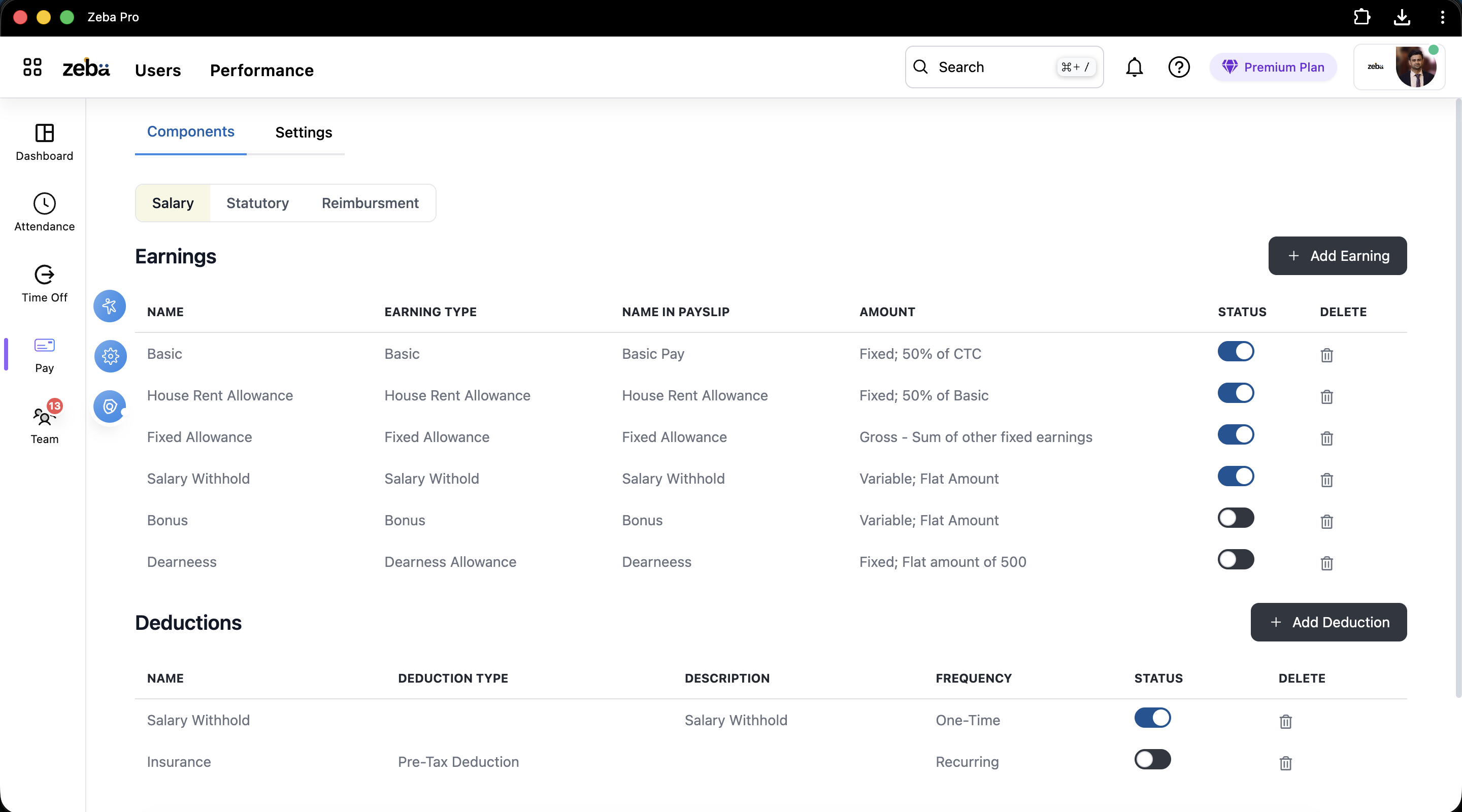
Understanding Statutory Components in India
Statutory components refer to the legal obligations that businesses must adhere to in their operations. In India, there are several key statutory components that organizations need to comply with. These components not only ensure legal compliance but also contribute to employee satisfaction and overall business efficiency. In 2026, businesses face a plethora of statutory requirements, including:- Employee Provident Fund (EPF)
- Employee State Insurance (ESI)
- Professional Tax
- Gratuity
- Labour Welfare Fund
- Bonus
- Minimum Wages Act
The Importance of Compliance
Compliance with statutory components is vital for several reasons: 1. **Legal Obligations**: Failure to comply with statutory requirements can lead to legal consequences, including fines and penalties. 2. **Employee Trust**: Adhering to these components fosters trust among employees, which is essential for a positive workplace culture. 3. **Operational Efficiency**: Proper management of statutory components can streamline HR processes and reduce administrative burdens.Key Statutory Components Explained
Let's delve deeper into some of these statutory components to understand their significance better.1. Employee Provident Fund (EPF)
The EPF is a retirement savings scheme that mandates both employers and employees to contribute a portion of the employee's salary. This fund helps employees secure their future financially.2. Employee State Insurance (ESI)
ESI provides health insurance and social security benefits to employees in case of medical emergencies. It is crucial for safeguarding the well-being of your workforce.3. Professional Tax
Professional tax is a state-level tax levied on professions, trades, and employment. Compliance is mandatory for businesses operating in states that impose this tax.4. Gratuity
Gratuity is a lump sum payment made to employees upon leaving an organization after a minimum tenure. It is a significant component of employee compensation.5. Labour Welfare Fund
The Labour Welfare Fund aims to promote the welfare of workers by providing financial assistance for various activities, including education and health.6. Bonus
The Bonus Act requires employers to provide bonuses to employees based on their performance and the organization's profitability.7. Minimum Wages Act
This act mandates that employers pay their workers a minimum wage, ensuring fair compensation for their labor.How to Achieve Compliance Efficiency
Achieving compliance efficiency with statutory components requires a well-structured approach. Here are some practical steps to get started:- Assess Current Compliance Levels: Conduct a thorough audit of your existing compliance processes to identify gaps.
- Invest in Technology: Utilize HR and payroll management software, like Zeba Pro, to automate compliance tracking and reporting.
- Regular Training: Provide training sessions for HR personnel to ensure they stay updated on statutory changes and compliance requirements.
- Engage External Experts: Consult legal and compliance experts to navigate complex statutory requirements effectively.
- Monitor and Review: Regularly monitor compliance metrics and review processes to enhance efficiency continuously.
Real-World Impact: A Case Study
Consider the case of a mid-sized manufacturing company, which we'll refer to as "ABC Industries." In early 2026, ABC Industries faced challenges in managing statutory compliance. Their manual processes resulted in errors, leading to fines and employee dissatisfaction. By adopting a comprehensive HR management system like Zeba Pro, they streamlined their compliance processes. Here’s how they achieved a 50% increase in compliance efficiency:| Before Implementation | After Implementation |
|---|---|
| Manual tracking of statutory components | Automated tracking with Zeba Pro |
| High error rates in payroll | Reduced errors significantly |
| Delayed compliance reporting | Real-time compliance insights |
| Employee grievances regarding payments | Improved employee satisfaction |
Practical Takeaways for Your Business
To achieve similar outcomes, consider these actionable strategies: - **Automate Compliance**: Implement HR technology that automates the tracking and reporting of statutory components. - **Stay Informed**: Keep abreast of changes in labor laws and compliance requirements to avoid pitfalls. - **Encourage Feedback**: Create a culture where employees feel comfortable providing feedback on compliance processes.Next Steps for Your Compliance Journey
As you embark on your journey to enhance compliance efficiency, remember that it is not just about meeting legal requirements. It's about building a trustworthy and efficient organization. Start with a thorough assessment of your current processes, invest in the right technology, and prioritize continuous education for your HR team. By taking these steps, you can not only ensure compliance but also foster a thriving workplace that values its employees and their rights. The right approach to statutory components can lead to significant improvements in your organization's overall efficiency and employee satisfaction. For more insights on managing statutory components, check out our comprehensive guides on [key statutory components](https://zeba.pro/blogs/key-statutory-components-for-businesses-in-india-a-2026-overview) and [understanding statutory components](https://zeba.pro/blogs/understanding-statutory-components-for-businesses-in-india-in-2026).Related reading
- Achieve 2.5x Faster Payroll Processing with Statutory Compliance
- Key Statutory Components for Businesses in India: A 2026 Overview
- Understanding Statutory Components for Businesses in India in 2026
- Understanding Statutory Components in 5 Essential Steps
- Understanding Statutory Components in India: A 2026 Guide for Businesses
- Navigating HR Compliance and Statutory Workflows in 2026
- 11 Hidden Payroll Costs of Leave and Holiday Management
- 11 HR Metrics You Should Track for Effective Payroll Management
- 13 HR Metrics You Should Track for Attendance and Time Management
- 5 HR Metrics You Should Track for Attendance and Time Management


