


In the fast-paced world of business, organizations are constantly searching for ways to improve efficiency and reduce costs. One powerful approach that has emerged is the adoption of an all-in-one HRMS (Human Resource Management System) solution. This article will explore how such a system can lead to significant improvements in HR efficiency, focusing on a real-world example where a composite company achieved a remarkable 50% efficiency boost.
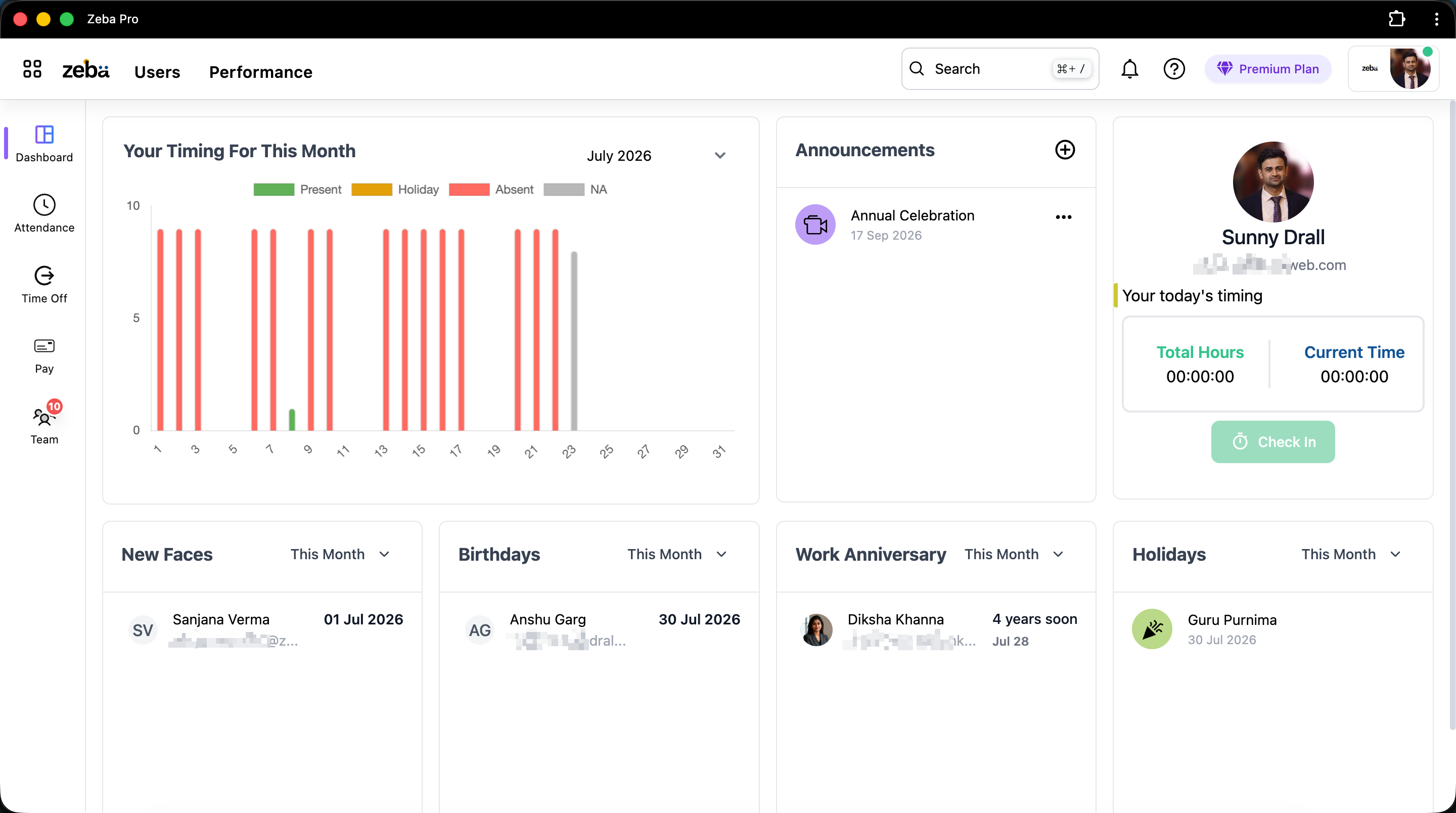
Understanding the All-in-One HRMS Solution
An all-in-one HRMS solution integrates various HR functions into a single platform, simplifying tasks such as recruitment, payroll, attendance tracking, employee management, and compliance. With a comprehensive system, HR teams can reduce manual processes, minimize errors, and enhance the overall employee experience.
The Key Features of an All-in-One HRMS
When considering an all-in-one HRMS, it is crucial to understand the key features that contribute to its effectiveness:
- Centralized Database: A single repository for employee data ensures consistency and easy access.
- Automated Payroll Processing: Streamlined payroll calculations reduce errors and save time.
- Attendance Management: Real-time tracking of employee attendance enhances accuracy and accountability.
- Compliance Management: Built-in compliance features help organizations adhere to regulations effortlessly.
- Performance Tracking: Tools for monitoring employee performance aid in talent management and development.
The Journey to 50% Efficiency
To illustrate the impact of an all-in-one HRMS solution, let’s look at the journey of a fictitious company, “Tech Innovators,” which faced significant challenges in their HR operations.
Challenges Faced by Tech Innovators
Before implementing an all-in-one HRMS, Tech Innovators struggled with:
- High administrative burdens due to manual processes
- Frequent payroll errors leading to employee dissatisfaction
- Inconsistent attendance tracking that resulted in compliance issues
- Lack of visibility into employee performance
The Implementation of the All-in-One HRMS
In 2026, Tech Innovators decided to adopt an all-in-one HRMS to address these challenges. The implementation process involved the following steps:
- Needs Assessment: Understanding specific HR needs and aligning them with the features of the HRMS.
- Platform Selection: Choosing a user-friendly platform that suited the company's size and culture.
- Data Migration: Transferring existing employee data to the new system while ensuring data integrity.
- Training: Providing comprehensive training to HR staff to maximize the platform's potential.
- Feedback Loop: Establishing a mechanism for ongoing feedback to continuously improve the system.
Results Achieved
After six months of using the all-in-one HRMS, Tech Innovators experienced a significant transformation. The results included:
- 50% Reduction in Administrative Time: Automation of routine tasks freed up HR personnel to focus on strategic initiatives.
- Decreased Payroll Errors: Automated calculations minimized mistakes, leading to improved employee satisfaction.
- Enhanced Compliance: Streamlined attendance tracking ensured adherence to labor laws and reduced compliance risks.
- Improved Employee Engagement: Performance tracking tools empowered managers to support employee development effectively.
Quantifying the Efficiency Gains
To provide a clearer picture of the efficiency gains, let's break down the improvements in a comparative table:
| Metric | Before HRMS | After HRMS | Efficiency Gain |
|---|---|---|---|
| Administrative Time (hours/week) | 40 | 20 | 50% |
| Payroll Errors (per month) | 10 | 2 | 80% |
| Compliance Issues (per quarter) | 5 | 1 | 80% |
| Employee Performance Reviews Completed (per month) | 5 | 15 | 200% |
Practical Takeaways for Your Organization
The success story of Tech Innovators demonstrates the tangible benefits of adopting an all-in-one HRMS solution. Here are some practical takeaways for your organization:
- Assess your current HR needs and identify areas for improvement.
- Invest in a user-friendly HRMS platform that integrates key HR functions.
- Prioritize training for your HR team to ensure successful adoption.
- Establish metrics to track improvements and make data-driven decisions.
Next Steps
As you consider enhancing your HR operations, think about how an all-in-one HRMS can transform your processes. Whether it’s reducing administrative burdens, improving compliance, or boosting employee engagement, the right solution can lead to significant efficiency gains. Start by evaluating your current HR practices and exploring potential solutions that align with your business goals.
For more insights on HR management and payroll solutions, check out our resource page at Zeba Pro Blogs for articles that can guide you in your journey towards a more efficient HR operation.
Related reading
- The All-in-One HRMS Solution in 6 Steps
- The All-in-One HRMS Solution Transforming Business Operations in 2026
- The All-in-One HRMS Solution You Need in 2026
- Zoho People vs Keka vs Zeba Pro: Payroll Automation for SMEs
- 11 Hidden Payroll Costs of Leave and Holiday Management
- 11 HR Metrics You Should Track for Effective Payroll Management
- 13 HR Metrics You Should Track for Attendance and Time Management
- 5 HR Metrics You Should Track for Attendance and Time Management
- 50 Employee Live Location Tracking Tips for Effective Management
- 90% of Businesses Risk Inefficiencies Without Live Employee Tracking


