


In today's fast-paced business world, 92% of growing teams are missing critical opportunities by not using an all-in-one HRMS solution. This statistic shows a clear need for simpler HR operations that can improve efficiency and compliance.
The Need for an All-in-One HRMS Solution
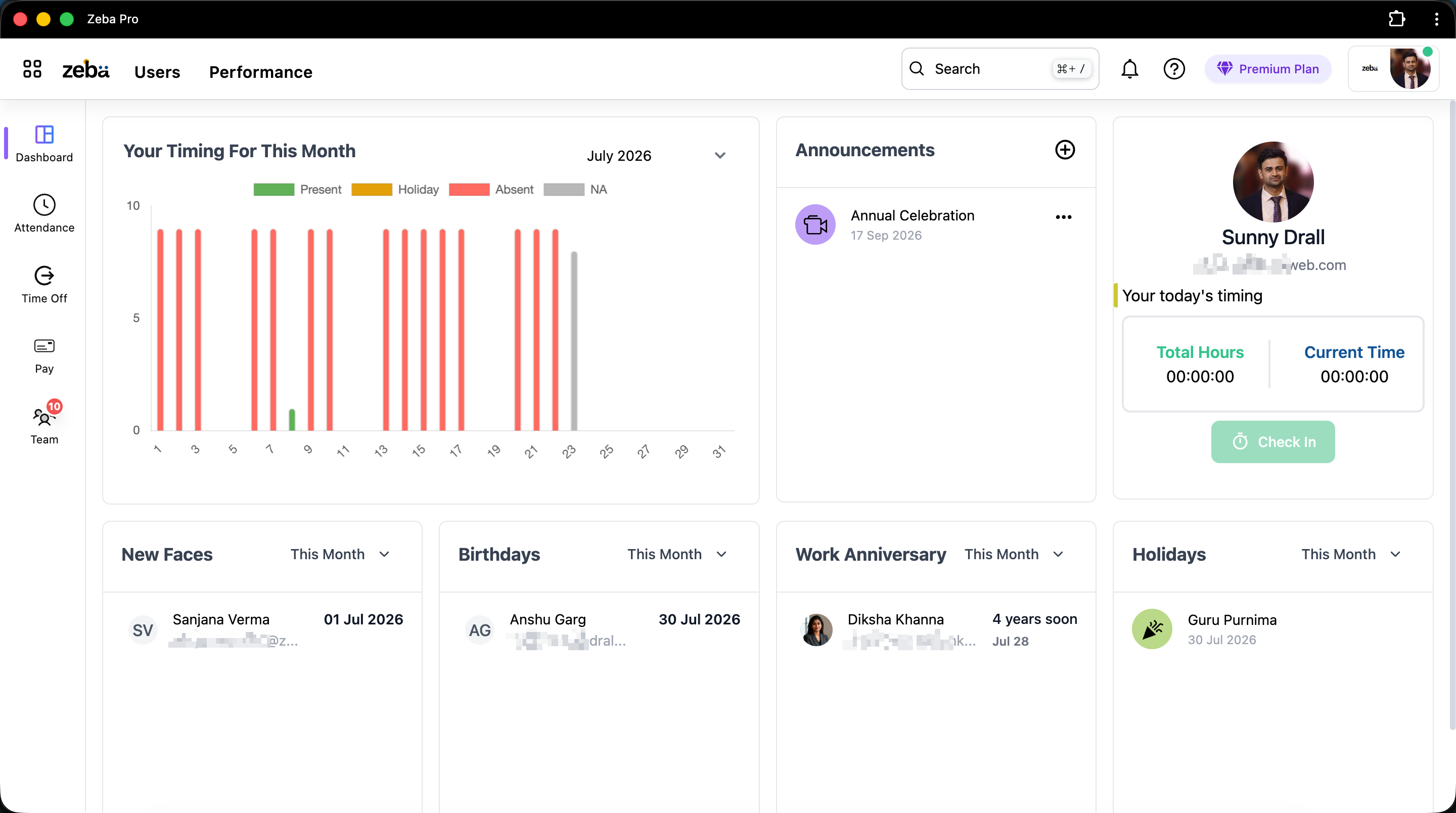
As HR tasks become more complex, covering recruitment, payroll, compliance, and employee management, businesses often feel overwhelmed. Many organizations rely on separate systems, which can result in inefficiencies, compliance risks, and a poor employee experience. An all-in-one HR Management System (HRMS) brings these functions together on a single platform, directly addressing these challenges.
What is an All-in-One HRMS?
An all-in-one HRMS is a software solution that combines various HR functions. From hiring to payroll management and attendance tracking, these systems enable smooth operations across a range of HR tasks. By using one platform, businesses can lower the risk of mistakes, improve data accuracy, and boost overall productivity.
Key Features of an All-in-One HRMS
When looking for an HRMS, it's important to check the following features:
- Recruitment Management: Streamline the hiring process with applicant tracking, interview scheduling, and onboarding automation.
- Payroll Processing: Automate payroll calculations, tax compliance, and reporting to guarantee timely and accurate payments.
- Time and Attendance Tracking: Monitor employee attendance and track work hours in real-time, reducing the risk of attendance-related issues.
- Performance Management: Facilitate employee evaluations, feedback, and goal setting to promote a culture of continuous improvement.
- Employee Self-Service: Empower employees to manage their profiles, view payslips, and request time off, boosting engagement and satisfaction.
- Compliance Management: Stay updated with labor laws and regulations to reduce risks associated with non-compliance.
Benefits of Implementing an All-in-One HRMS
Using an all-in-one HRMS can bring major benefits for businesses:
- Increased Efficiency: Automating repetitive tasks allows HR staff to focus on strategic initiatives.
- Improved Compliance: Built-in compliance features help ensure adherence to local and national regulations, lowering the risk of penalties.
- Enhanced Employee Experience: A user-friendly platform encourages better communication and engagement among employees.
- Data-Driven Decisions: Centralized data leads to better analytics, enabling informed decision-making.
- Cost Reduction: Streamlining processes can result in significant savings over time.
Real-World Success Stories
Many organizations have successfully transformed their operations using an all-in-one HRMS. Here are some examples:
Case Study: A Growing Tech Startup
A tech startup with 200 employees faced challenges managing payroll and compliance. After implementing an all-in-one HRMS, they combined their HR functions. Within six months, they reported a 50% increase in payroll processing efficiency and better compliance with tax regulations, which reduced the risk of penalties.
Case Study: A Manufacturing Company
A manufacturing company had issues with attendance tracking and employee engagement. By adopting an all-in-one HRMS, they improved attendance monitoring and set up a self-service portal. This led to a 40% increase in attendance accuracy and a noticeable rise in employee satisfaction.
Key Considerations When Choosing an All-in-One HRMS
When selecting an HRMS, consider these factors:
- Scalability: Ensure the platform can grow with your business.
- Integrations: Look for a solution that works with existing tools and systems.
- User Experience: A user-friendly interface is crucial for employee engagement.
- Support and Training: Assess the vendor’s customer support and training resources.
Compliance: A Critical Component
Compliance management is one of the biggest challenges for HR departments. In 2026, businesses will face a complicated landscape of regulations. An all-in-one HRMS can simplify compliance by providing:
- Real-Time Updates: Stay informed about changes in labor laws.
- Document Management: Centralize compliance documents for easy access.
- Audit Trails: Keep records of HR activities for transparency and accountability.
Understanding Statutory Components
Statutory compliance is crucial for avoiding legal issues. In India, for instance, companies must navigate various labor laws. Grasping these components can help organizations stay compliant. For more information, check out our guide on Understanding Statutory Components in India: A 2026 Guide for Businesses.
Implementation Strategies for an All-in-One HRMS
Implementing an all-in-one HRMS requires thoughtful planning. Here are some strategies to ensure a smooth transition:
- Assess Needs: Identify the specific HR challenges your organization faces.
- Involve Stakeholders: Engage key stakeholders in the decision-making process.
- Plan Training: Create a detailed training program for employees.
- Monitor Progress: Track the implementation process and quickly address any issues.
Conclusion: Next Steps for Your Organization
As we approach 2026, adopting an all-in-one HRMS can greatly enhance your organization's HR operations. Start by evaluating your current HR challenges, identifying the features you need, and reviewing possible solutions. With informed choices, you can empower your HR team, ensure compliance, and improve the employee experience.
Take action today by exploring the benefits of an all-in-one HRMS and envisioning how it can change your business operations. The right solution can lead to significant improvements in efficiency, compliance, and employee satisfaction.
Related reading
- How We Achieved 50% Efficiency with an All-in-One HRMS Solution
- The All-in-One HRMS Solution in 6 Steps
- The All-in-One HRMS Solution Transforming Business Operations in 2026
- The All-in-One HRMS Solution You Need in 2026
- Zoho People vs Keka vs Zeba Pro: Payroll Automation for SMEs
- 11 Hidden Payroll Costs of Leave and Holiday Management
- 11 HR Metrics You Should Track for Effective Payroll Management
- 13 HR Metrics You Should Track for Attendance and Time Management
- 5 HR Metrics You Should Track for Attendance and Time Management
- 50 Employee Live Location Tracking Tips for Effective Management


