

On this page
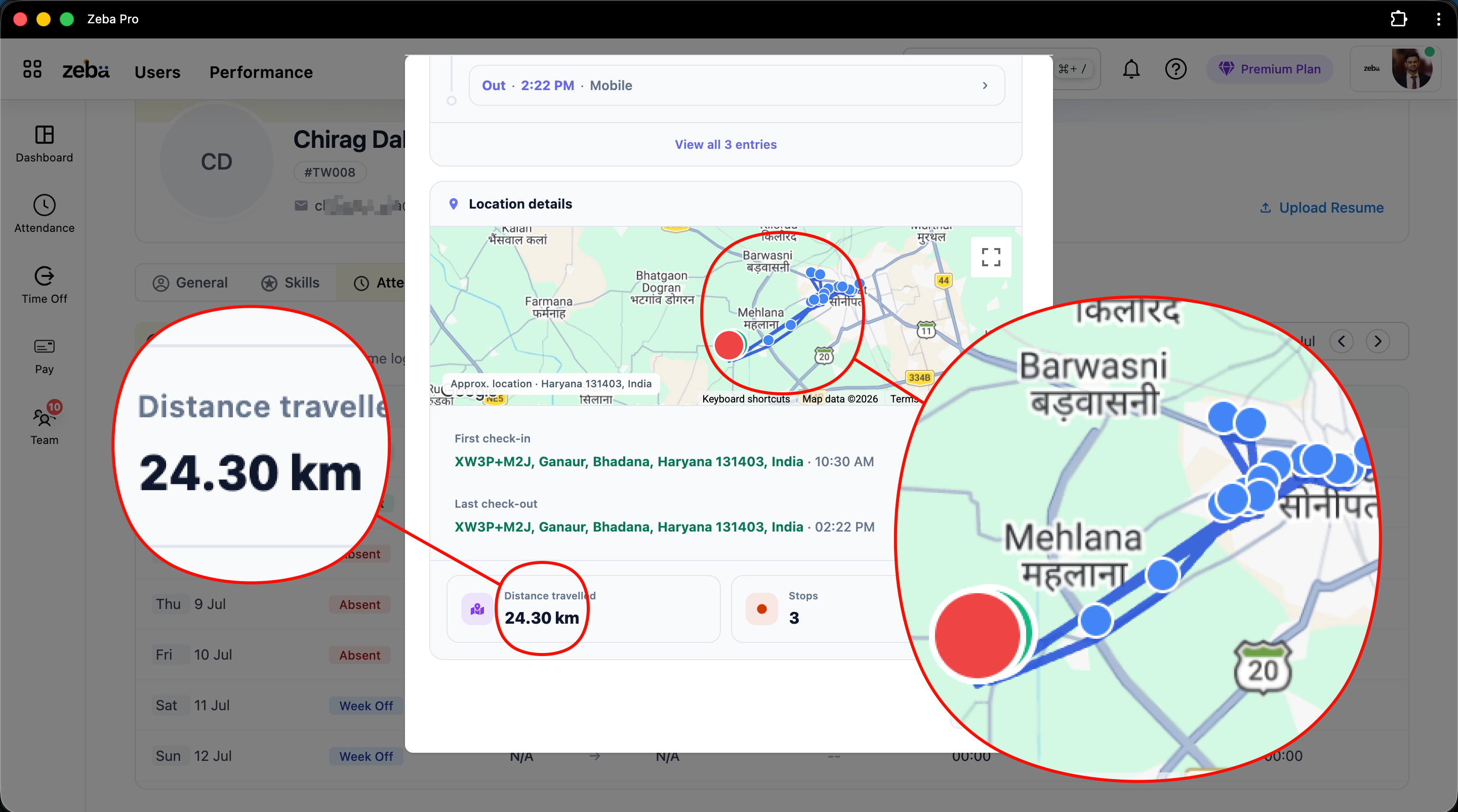
Imagine knowing exactly where your field employees are, where they've been, and how to make smarter decisions-all from one dashboard. With live location tracking, you can achieve this in under 7 minutes. Let's dive into how this technology can transform your workforce management.
Understanding Employee Live Location Tracking
Employee live location tracking is a system designed to monitor the real-time location of your workforce, especially those working in the field. This technology allows businesses to have a clear view of their employees' movements, enhancing accountability and operational efficiency. But why is this important? In 2026, businesses are facing increasing pressure to optimize their workforce's effectiveness. With over 90% of businesses risking inefficiencies without live employee tracking, it becomes crucial to stay ahead of the competition.Benefits of Live Location Tracking
Implementing a live tracking system offers numerous advantages:- Improved Accountability: When employees know they are being tracked, they tend to be more accountable for their time and tasks.
- Enhanced Productivity: By optimizing routes and scheduling, you can ensure that employees spend less time traveling and more time working.
- Real-Time Data: Access to live data helps in making informed decisions quickly, allowing for more agile business operations.
- Better Resource Management: Knowing the location of your employees can help in managing resources effectively, avoiding delays.
- Increased Employee Safety: Tracking helps ensure that employees are safe while working in the field, particularly in remote or hazardous locations.
How Live Location Tracking Works
The technology behind live location tracking typically involves GPS and mobile applications that are integrated into your HR and payroll management system. Here's how it generally works:- Installation: Employees install the tracking app on their mobile devices.
- Permission: They grant location access, allowing the app to track their real-time location.
- Data Collection: The app collects and transmits location data back to a central dashboard.
- Monitoring: Managers can view employee locations on a map and access historical data to analyze movements.
- Decision Making: Use the data to optimize routes, manage schedules, and improve overall efficiency.
Real-World Scenarios of Live Location Tracking
To illustrate the impact of live location tracking, consider these real-world scenarios:Scenario 1: Delivery Services
A delivery company implemented live tracking to monitor its fleet. By analyzing data on delivery times and routes, they discovered that certain areas caused delays. After optimizing routes based on real-time data, they reduced delivery times by 30%.Scenario 2: Field Sales Teams
A sales team used live tracking to coordinate meetings efficiently. With instant access to their locations, managers could schedule appointments based on proximity, leading to a 25% increase in sales calls completed each week.Common Challenges and Solutions
Implementing live location tracking can come with its challenges. Here are some common issues and how to address them:Privacy Concerns
Employees may feel uneasy about being tracked. It's essential to communicate the benefits clearly, reassuring them that the data will be used strictly for business purposes.Integration with Existing Systems
Integrating live tracking with current HR and payroll systems can be complex. Choose a solution, like Zeba Pro, that offers seamless integration capabilities.Technical Issues
Technical glitches can hinder the effectiveness of tracking systems. Ensure you have reliable technical support and regular updates to keep the system running smoothly.Comparative Analysis: Live Location Tracking Solutions
When evaluating different live location tracking solutions, consider their features, ease of use, and integration capabilities. Here's a comparison of three popular platforms:| Feature | Zeba Pro | Competitor A | Competitor B |
|---|---|---|---|
| Real-Time Tracking | Yes | Yes | No |
| Historical Data Access | Yes | No | Yes |
| Integration with Payroll | Yes | No | Yes |
| User-Friendly Dashboard | Yes | Yes | No |
| Mobile App Availability | Yes | Yes | Yes |
Tips for Successful Implementation
To ensure a smooth implementation of live location tracking, consider the following tips:- Start Small: Begin with a pilot program within a specific team to iron out any issues before a full rollout.
- Train Employees: Provide comprehensive training on using the tracking app and understanding its benefits.
- Gather Feedback: Continually solicit feedback from employees to improve the system and address any concerns.
- Set Clear Policies: Establish guidelines on how tracking data will be used and shared within the organization.
Conclusion: Take Action Today
In 2026, businesses that leverage live employee location tracking will stand out in operational efficiency and employee management. By understanding the benefits and addressing challenges, you can implement a solution that not only optimizes workforce management but also enhances employee experience. Your next steps are clear: assess your current workforce management needs, explore solutions like Zeba Pro, and consider how live tracking can be integrated into your operations. Start your journey towards smarter decision-making today!Save 5 Hours This Week Instantly
Zeba brings payroll, attendance, and HR workflows together so you spend less time on admin and more time leading your team.

Sunny Drall
Co-founder at Zeba with 12+ years building scalable, secure products across web, mobile, cloud, AI, IoT, and DevOps for modern teams.
Published May 13, 2026


